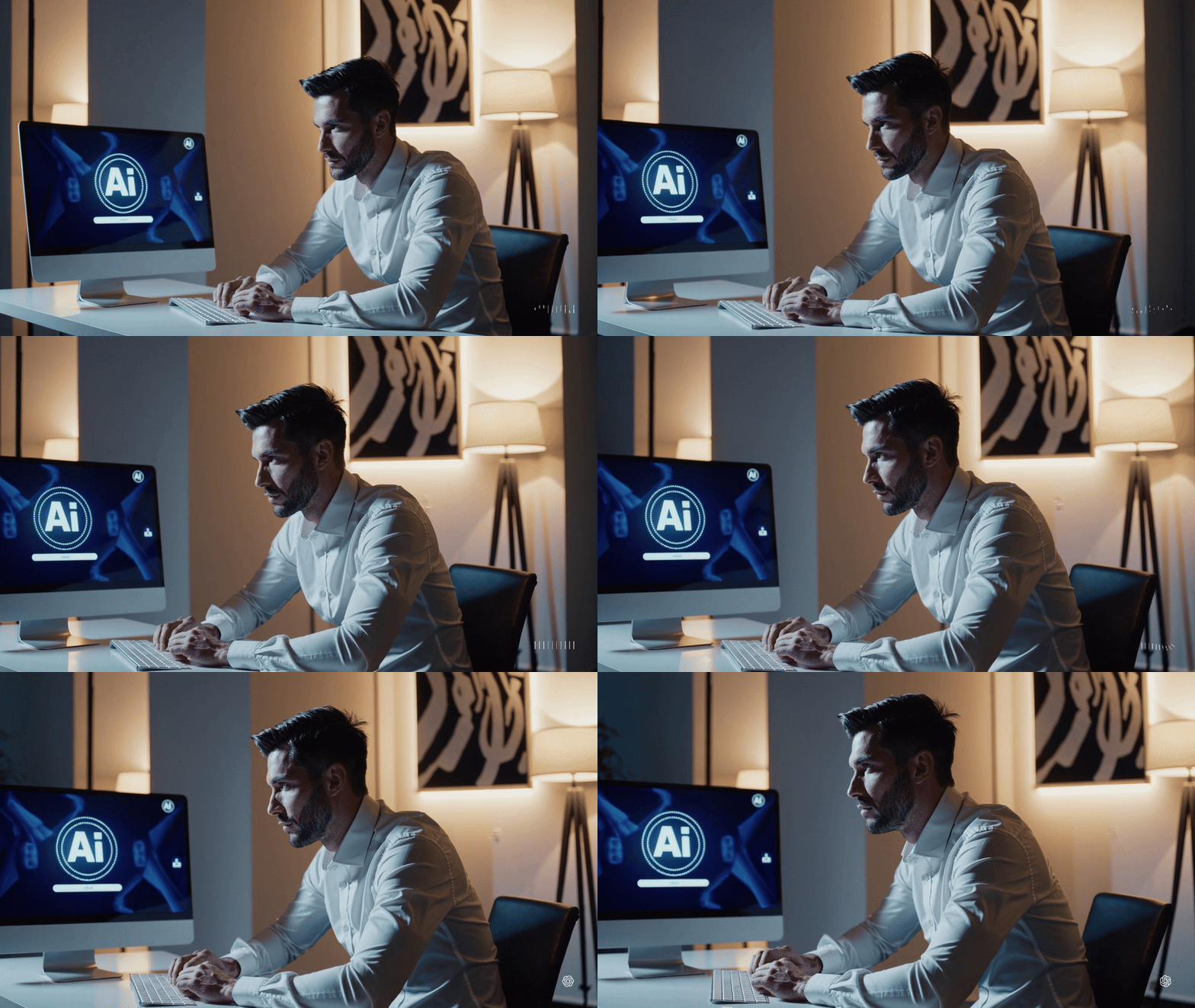
As an editor at The Grey Journal, I’ve seen countless discussions on how AI is revolutionizing the job market. But what happens when the very companies developing AI tools refuse to let candidates use them during the hiring process? It’s an ironic yet telling development—one that speaks volumes about the evolving relationship between humans and artificial intelligence in the workforce.
Anthropic’s Stance: A Paradox or a Necessary Measure?
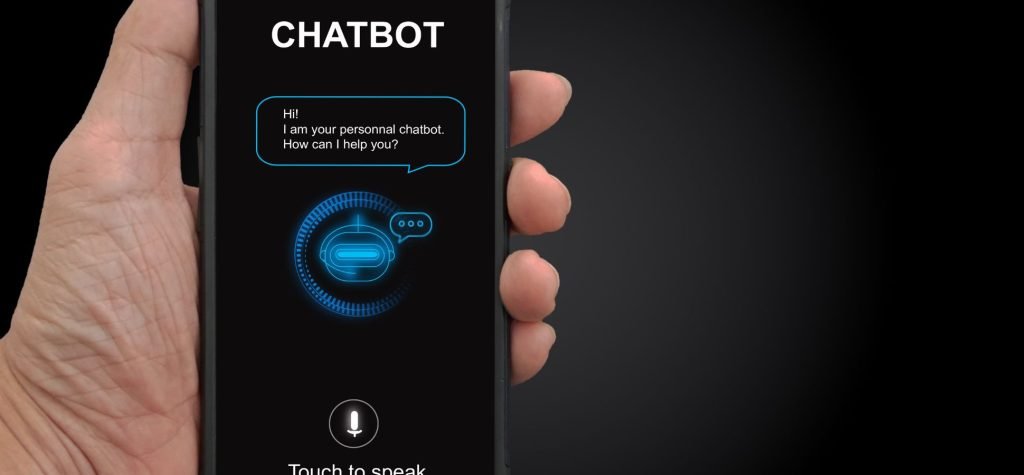
Anthropic, an AI company known for its chatbot Claude, has taken a firm stance against AI-generated job applications. With around 150 open positions, the company requires applicants to submit original, non-AI-assisted materials—no Claude, no ChatGPT, no AI-powered resume tools.
Their reasoning? According to Anthropic’s “AI Policy for Application,” they want to evaluate a candidate’s raw, unassisted communication skills and gauge their genuine interest in the company. While AI can be a game-changer in the workplace, Anthropic argues that human authenticity still plays a critical role in hiring.
For entrepreneurs, this presents an important lesson: AI should enhance human capabilities, not replace them. Businesses that overly rely on AI-generated content in hiring, marketing, and customer communication risk losing the personal touch that differentiates a brand. The takeaway? Automation should be used strategically, ensuring that human creativity and authenticity remain at the forefront.
Why More Companies Are Pushing Back on AI-Generated Applications
Anthropic isn’t alone. A survey from Resume Genius found that 53% of hiring managers consider AI-generated resumes a warning sign, making candidates who use them less likely to be hired. Despite this, job seekers are increasingly turning to AI for assistance. According to the Financial Times, nearly half of job applicants now use AI to optimize their resumes, write cover letters, and tailor their applications for applicant tracking systems (ATS).
So why the resistance from employers?
- Authenticity concerns: Companies want to hire individuals, not algorithms. AI-generated applications may make it harder to assess a candidate’s true personality, writing ability, and thought process.
- Skill evaluation: If AI writes the cover letter, how can a hiring manager gauge the applicant’s ability to communicate effectively in the workplace?
- Fairness: Some argue that using AI creates an uneven playing field, where those who master AI tools have an unfair advantage over those who don’t.
For business owners, this highlights the importance of assessing where AI should and shouldn’t be applied. While AI can help streamline processes, it cannot replace the depth of personal engagement necessary in leadership, hiring, and relationship-building. Entrepreneurs should view AI as an assistant rather than a crutch.
Claude’s Rise and the AI Dilemma
Interestingly, while Anthropic enforces this no-AI application rule, its own chatbot, Claude, is becoming increasingly popular. Described as the “tech insiders’ chatbot of choice,” Claude offers a range of functionalities, from health coaching to legal assistance. It has both free and paid tiers, with the $18 Pro and $25 Teams options catering to different user needs.
Although it has yet to surpass OpenAI’s ChatGPT in market dominance (ChatGPT boasts over 300 million weekly users), Claude still commands significant traffic, with 73.8 million visits reported in December. Anthropic is also in talks to raise $2 billion in funding, which could boost its valuation to an astounding $60 billion, making it one of the most valuable startups in the U.S.
For entrepreneurs, this is an indicator of the power of differentiation. Claude may not have the same reach as ChatGPT, but it has carved out a niche by offering a unique user experience. Startups and business leaders should take note: success isn’t always about being the biggest; it’s about being different in a way that matters to your target audience.
The Future of AI in Hiring and Business
As AI becomes more sophisticated, the debate over its role in job applications and business operations will intensify. Should AI be embraced as an aid for applicants, or does it dilute the authenticity employers seek? And if even AI companies are wary of AI-generated applications, what does that mean for the broader workforce?
For entrepreneurs, the lesson is clear: technology should support, not substitute, human ingenuity. Businesses that strike the right balance between AI efficiency and human authenticity will have the competitive edge in hiring, branding, and customer engagement. In a world increasingly dominated by artificial intelligence, human originality might just become the most valuable asset of all.