

Everyone wants that viral jackpot, but social media platforms are full of traps. In fact, many of your favorite networks are deliberately built to crush viral dreams unless you play by their rules. We’ll break down the worst faux pas on LinkedIn, Instagram, TikTok, Facebook, and YouTube – the exact things that will kill your reach. (Spoiler: it’s often the obvious, cheesy tricks.) The good news? Once you know the no-go’s, you can stop shooting yourself in the foot.
LinkedIn: Stop Trying to Treat It Like TikTok
The LinkedIn feed isn’t a place for memes and clickbait. It’s designed to serve professionals, not play-by-play viral moments.
LinkedIn’s algorithm is famously stubborn about “virality.” Hootsuite points out that LinkedIn is “specifically designed to prevent content from going viral”, and LinkedIn itself says the platform “is not designed for virality”. In plain English: if you treat LinkedIn like Twitter, you’ll fail. Here are the top LinkedIn sins:
- Spammy tags and hashtags. Tagging unrelated people or stuffing your post with odd hashtags screams “spam” to LinkedIn’s AI. Keep tags relevant, and limit hashtags to about 3–5 per post.
- Over-posting. Blasting out posts every few hours backfires. LinkedIn’s own guidelines recommend at least 12 hours between posts; anything more and the algorithm quietly throttles your reach.
- Engagement bait/clickbait. Commands like “Comment YES if you agree!” or eye-catching clickbait titles are on LinkedIn’s most-wanted list of things to knock down. The 2025 updates make it clear: engagement-bait tricks get detected and downranked.
- Low-quality, irrelevant content. LinkedIn users crave professional insights, not your vacation slideshow. The algorithm penalizes “low-quality” posts full of typos or fluff. If it feels like a personal diary or a cat video in a suit, expect dismal reach.
In short: be real, be professional, and stop trying to game LinkedIn. Spamming, clickbait or totally off-topic posts will leave you with zero viral momentum. The platform rewards expertise and genuine networking, not flashy stunts.
Instagram: Don’t Ignore the Reels (or Your Audience)
Forget picture-perfect posts – Instagram’s algorithm now loves short videos. Ghosting your audience or posting once in a blue moon? Forget virality.
Instagram has changed a lot. If you’re still just posting the occasional photo with a lazy caption, you’re missing the point – the algorithm isn’t. Instagram actively pushes Reels and new features, so ignoring them can seriously tank your reach. Likewise, doing nothing to keep fans interested will doom your growth. Key Instagram pitfalls include:
- Skipping Reels and new features. Instagram prioritizes Reels (video) content nowadays. Business-savvy or not, you must post short-form videos regularly. Experts warn that “ignoring these features can limit your reach, engagement, and overall success”. If you stick to old-style posts while everyone else is Reeling, you’ll never ride the algorithm’s wave.
- Post inconsistently (or rarely). Random posting schedules make the algorithm forget you. Long gaps between posts or irregular timing hurt your visibility. You need a steady stream of content (photos, videos, Stories) so Instagram’s algorithm doesn’t think you abandoned your followers.
- Neglecting followers. Got comments on your last post? Great – except you never replied. Instagram sees that silence: engaging with your audience boosts your own reach. Conversely, ignoring comments or DMs means your posts get less love from the algorithm. (Plus, your followers will buzz off.)
- Poor visuals. Instagram is all about the visuals. Blurry, pixelated, or amateurish images will flop. ContentStudio notes that “poor-quality images can give the impression of unprofessionalism” and make your feed less engaging. If your photos and graphics suck, no caption or filter can save you – nobody’s going to share or save them.
- Hashtag abuse. Hashtags help discoverability – but only if used smartly. Studies show posts with at least one relevant hashtag get roughly 13% more engagement, but overly generic or spammy tags can actually hurt you. Instagram will downrank posts that look hashtag-stuffed. Use a few targeted tags – not 30 random ones.
Bottom line: Instagram rewards fresh, engaging content. If you’re just pumping out stale photos, ignoring trendy Reels, and not interacting with anyone, you’ll stay invisible.
TikTok: Play by the TikTok Playbook, or Go Home
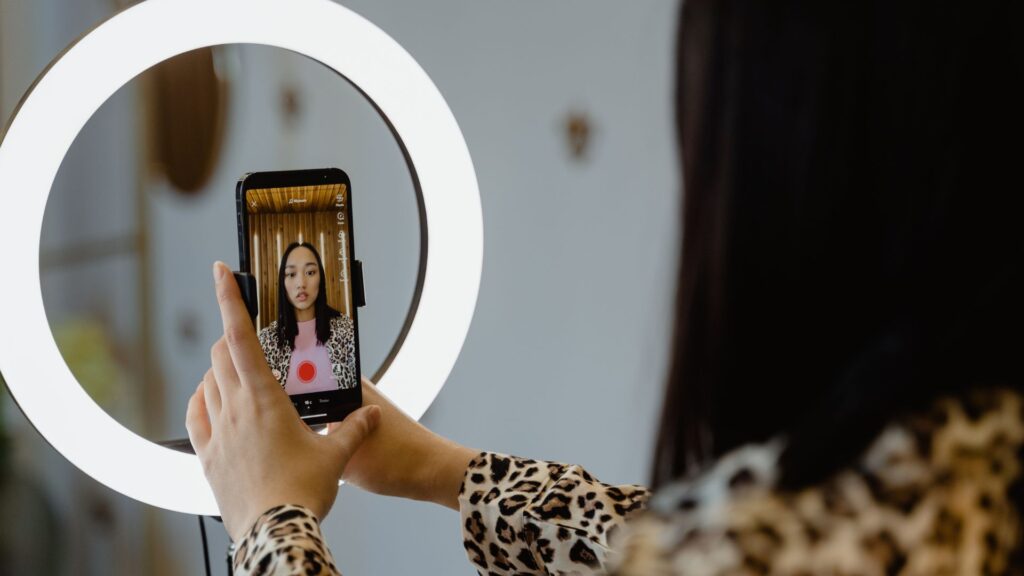
Trying to TikTok without using trends or posting daily? The For You Page won’t know you exist. TikTok’s AI finds trend-savvy, frequent, engaging videos – anything else gets buried.
TikTok’s famously inscrutable algorithm basically loves trends, high watch-time, and authenticity. Do the opposite, and you’ll never hit FYP fame. The big TikTok mistakes are:
- Ignoring trends and audio. TikTok is basically a giant DJ: it loves popular songs and challenges. If you skip trending sounds or hashtags and just post random content, the algorithm will barely notice you. Using trending audio and relevant tags is “recommended as the sweet spot for boosting discoverability”– ignoring them leaves you off the radar.
- Posting too infrequently. On TikTok, consistency is king. Go days without uploading and the algorithm moves on without you. Experts advise frequent posts because TikTok “thrives on rapid content consumption” – missing a trend means your account stays asleep. (Bonus: post quality and quantity – but don’t sacrifice polish entirely for speed.)
- Hacks and bot schemes. TikTok explicitly penalizes fake engagement. Buying likes/comments or joining “like-for-like” pods won’t fool the AI. In fact, it’s on their list of punishable behavior. If you’re using cheats, expect your videos to tank in distribution.
- Reposting watermarked content. Reuploads from other apps (with obvious TikTok or Instagram watermarks) are labeled “unoriginal” and get buried. TikTok’s algorithm prefers native content – the finding was clear: videos with third-party watermarks will be held back. So don’t post your TikToks on IG Stories then repost them on TikTok; it’s counterproductive.
- Weak hooks and low retention. TikTok measures how many people watch your whole video. If your first few seconds suck or people swipe away, the algorithm stops pushing your video. (Watch-time is king.) Make sure your content grabs attention immediately, or nobody will see the rest of it.
TikTok will reward creativity – but only if you respect its rules. Missing a trend, acting like a bot, or treating it like YouTube (where timing doesn’t matter) will ensure your views stay in the single digits.
Facebook: No Clickbait, No Cheat Codes
On Facebook, over-the-top headlines and bought likes are fatal. The algorithm pushes things that get real, authentic interaction – not spammy posts.
Facebook’s feed is heavily personalized and driven by real engagement. All those “LIKE if you…” posts or sketchy link spam? They’re designed to trigger demotion. Key Facebook pitfalls include:
- Clickbait and engagement bait. Facebook’s AI is trained to sniff out sensational or misleading headlines, and it penalizes them. Posting a hyperbolic title or begging for likes (“Tag a friend for a prize!”) is exactly the kind of “engagement bait” it clamps down on. In short: don’t try to trick people into interacting.
- Buying likes or comments. The algorithm isn’t fooled by fake buzz. If you’ve purchased followers or run sketchy “like-for-like” schemes, Facebook will find out and limit your reach. It explicitly warns that bought likes can reduce distributionblog.hootsuite.com. In other words, non-organic engagement does more harm than good.
- Low-quality links. Spamming your page with links to low-value or sketchy sites earns you a slap from the algorithm. Facebook’s ranking factors even include “likelihood this links to a low-quality webpage”. So that poorly hosted blog post or random article link? Posting it repeatedly will sink your reach.
- No real engagement. Cold, one-way broadcasting also kills you. Facebook wants posts that spark conversation. Posts “that don’t receive engagement may see a decrease in reach”. If you post something and no one comments or shares, the algorithm assumes it isn’t interesting and stops showing it. Encourage real likes/shares/comments (e.g. through polls or questions) or watch your reach dry up.
- Overly promotional or irrelevant content. Facebook users (even professionals) resent a sales push or irrelevant fluff. If your page posts only hard-sell content or non sequiturs, people will snooze it – and Facebook will too. Keep your posts relevant to your followers’ interests; otherwise they’ll hide your page, and the algorithm will hit you in the feed.
In essence, Facebook rewards authenticity and conversation. Any attempt to “cheat” the system with tricks – clickbait titles, fake engagement, or junk links – will backfire.
YouTube: Lose the Clickbait & Hook Your Audience
YouTube’s algorithm cares about satisfied viewers, not flashy tricks. Misleading thumbnails or slow starts will zap your watch time and bury your videos.
YouTube’s recommendation engine is all about watch time, retention, and satisfaction. Make viewers feel duped or bored, and your video dies a slow death. Common YouTube mistakes:
- Misleading titles/thumbnails (clickbait). Tricksy clickbait is a historical flop on YouTube. Back in 2008–2012, it was common, but it wrecked user experience (people felt “tricked, unsatisfied, or annoyed”). YouTube won’t reward that – focus on clickable but honest titles. The algorithm tracks click-through rate, but it also checks if viewers stick around; fake promises hurt both.
- Bad SEO/metadata. YouTube needs context. If your title, description, and tags don’t match what users search for, your video won’t show up in search or recommendations. Treat YouTube like a search engine: optimize keywords in your metadata. No SEO = nobody knows to watch your video.
- Weak hooks or intros. Don’t bore people to death. Hootsuite notes: “Make every second count. Prioritize your hook, avoid unnecessary intros and get straight to the value”. If your first few seconds are slow or confusing, viewers click away. Low retention signals kill your video’s standing in the algorithm.
- Low engagement. A video with no likes, comments, or shares doesn’t look valuable. Worse, if many viewers hit the “Not Interested” or dislike buttons, YouTube will suppress that content. (Negative feedback is a big red flag.) So engage your viewers – ask for comments or create share-worthy content – or expect YouTube to ignore your videos.
- Copyright or guideline violations. Break the rules and YouTube will act. Demonitized or deleted videos get no recommendation love. Even borderline content (misinformation, hate, etc.) is downranked aggressively. The safest path? Stick to your niche, follow the community guidelines, and focus on entertaining or informing your audience.
Bottom line: YouTube’s algorithm “pays attention to viewers” more than the content itself. Serve user satisfaction and watch time, and your videos will grow. Do sneaky or sloppy stuff (clickbait, dragging intros, poor SEO) and you’ll never hit that recommendation loop.
Winding Up
Each platform has its quirks, but the common theme is simple: authentic, high-quality, audience-focused content wins, and obvious shortcuts lose. Avoid these platform-specific mistakes – stop spamming, stop cheating the system, and stop ignoring the algorithm’s playbook – if you ever want to see that viral success.


