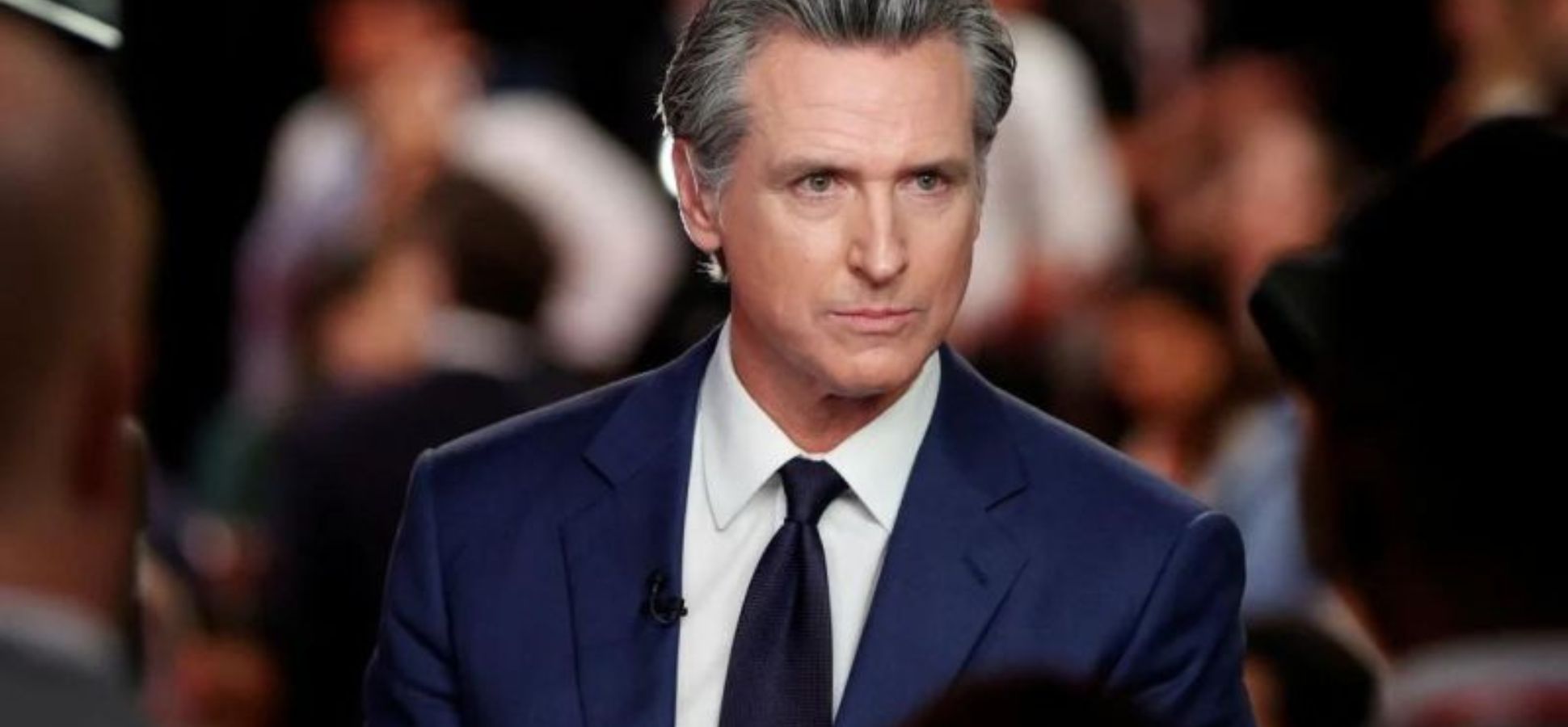
California Governor Gavin Newsom has vetoed a proposed bill that sought to introduce new safety regulations for large artificial intelligence (AI) models, stalling efforts to implement stricter oversight for the rapidly evolving industry. Supporters of the bill believed it could have set a vital precedent for AI safety regulations across the United States, but Newsom expressed concerns that it might have inadvertently hampered California’s booming tech sector.
The bill, authored by State Senator Scott Wiener, aimed to mitigate potential risks associated with advanced AI technologies by requiring companies to test their models and disclose safety protocols. Senator Wiener criticized the veto as a missed opportunity for AI accountability, emphasizing that relying solely on voluntary industry commitments isn’t enough to protect public interest. “This was our chance to ensure California remains at the forefront of both innovation and safety,” Wiener stated, “but now we’re left without a clear path forward.”
Governor Newsom, who had previously signaled a desire for California to lead in AI regulation, cited flaws in the proposed legislation. He argued that it failed to differentiate between high-risk AI applications and general AI uses, potentially imposing unnecessary burdens on companies developing lower-risk technologies. Newsom reiterated that while regulation is necessary, it must be carefully tailored to avoid stifling innovation.
In place of the bill, Newsom announced plans to collaborate with industry leaders and experts, including AI advocate Fei-Fei Li, to develop more nuanced safety measures. The governor emphasized the importance of striking the right balance between regulation and innovation, vowing that California will still play a leading role in shaping the future of AI policy.
The bill’s veto comes as Europe continues to push forward with comprehensive AI regulations. Proponents of the California proposal saw it as a critical step towards catching up with Europe’s more stringent standards. Though not as extensive as European laws, supporters argued that the bill would have laid the groundwork for more robust regulations in the future.
With this decision, the debate over AI safety is far from over. Newsom’s commitment to exploring alternative paths suggests that discussions will continue, potentially paving the way for more refined legislation in California and inspiring similar measures in other states. The veto has sparked a new urgency for stakeholders to develop frameworks that protect public safety without hindering technological advancement.