
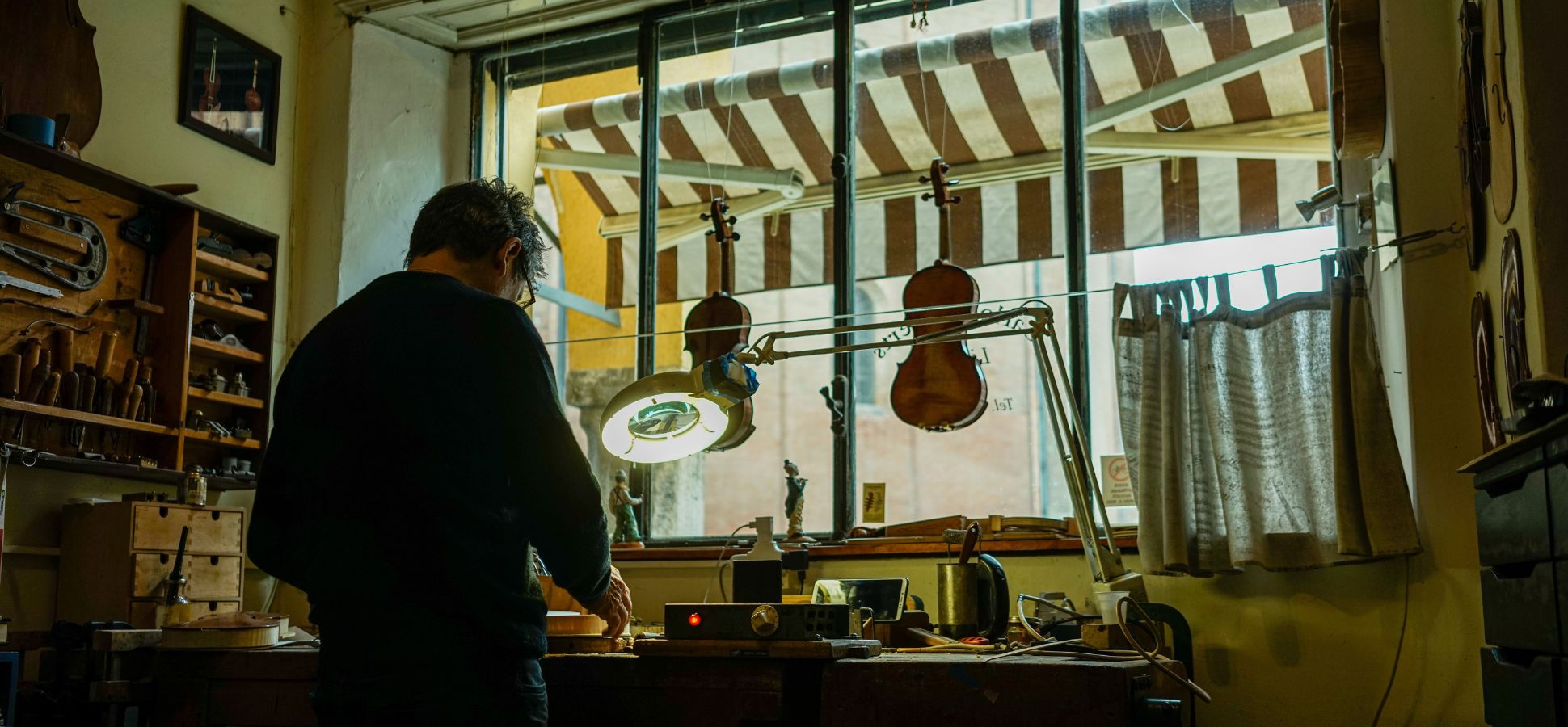
A handcrafted acoustic guitar earns attention through decisions that remain audible years after construction. Wood selection, voicing, bracing, neck geometry, and finish thickness all affect response, balance, and playing comfort. Serious collectors assess those details alongside condition, provenance, and long-term usefulness. They want an instrument that rewards close listening, suits demanding musicians, and holds a clear place within a considered collection. The following points explain why individual craftsmanship matters.
Why Bourgeois Guitars Attract Collectors
Collectors often look for instruments with a clear maker identity, consistent construction standards, and a voice that remains distinctive beside familiar designs. These qualities give a guitar lasting relevance beyond its initial purchase.
When assessing Bourgeois acoustic guitars, pay close attention to body shape, scale length, tonewood selection, neck profile, and setup. Those details affect projection, string tension, and comfort, so they deserve more attention than appearance alone. A guitar should suit its owner’s repertoire, technique, and preferred playing environment.
A well-made acoustic also reflects the builder’s choices. Grain orientation, pore filling, finish work, and fret installation reveal the care taken before the instrument reaches a collection. These details do not replace sound, but they help explain why two guitars with similar specifications can behave differently.
Craftsmanship That Can Be Heard
Handcrafted construction gives a luthier direct control over each stage of an instrument’s development. The maker can assess the timber, adjust the bracing, and voice the top according to its response, rather than treating every guitar as an identical production unit.
That control matters because small structural decisions affect volume, sustain, and tonal separation. A carefully voiced guitar produces clear bass, focused midrange, and treble that stays articulate when played firmly.
The result should also feel coherent under the hand. The neck shape, fretwork, bridge position, and setup influence how easily a player controls dynamics. Collectors notice that connection because an instrument that plays well receives more time, care, and use.
Materials And Structural Choices
Tonewood influences an acoustic guitar’s response, but no single species determines quality. The soundboard carries much of the instrument’s vibration, while the back and sides shape resonance, projection, and tonal color.
Brace dimensions and placement matter just as much. Bracing supports the top while allowing it to move, and its stiffness affects attack, sustain, and dynamic range. A lightly responsive top can react quickly to a gentle touch, while a stiffer design can provide headroom for a forceful player.
Collectors should inspect the instrument’s construction rather than relying on wood names alone. Clean bridge work, even binding, accurate fret slots, and a stable neck joint indicate careful execution. The finish should protect the timber without masking the acoustic response.
Sound, Setup And Practical Use
A serious collection needs guitars that invite regular playing. Sound remains the most useful test, so assess each instrument across open chords, single-note lines, altered tunings, and stronger attack.
Listen for balance between strings and registers. A guitar with impressive bass in isolation can become difficult to record or accompany if low frequencies overwhelm the midrange. Clear note separation helps players shape arrangements without excessive equalization.
Setup also affects the ownership experience. Action, relief, fret condition, and intonation determine whether the guitar performs as expected. A professional assessment should confirm that the neck responds correctly and that the bridge, top, and braces show no signs of structural trouble.
Provenance And Collection Fit
A guitar’s place in a collection depends on more than its maker. Original condition, documented ownership, included casework, and evidence of professional maintenance all support informed decisions.
Collectors should record serial information, purchase documents, and any repair history. Photographs of the top, bridge, headstock, and finish can help track changes over time. Humidity control also matters, because excessive dryness or moisture can affect joints, fret ends, and top geometry.
The best addition fills a clear musical or historical gap. It might provide a different body response, a contrasting tonal palette, or a particular scale length. That purpose makes the purchase easier to evaluate and gives the guitar a reason to remain in regular rotation.
Conclusion
Handcrafted acoustics earn collection space through measurable construction quality, individual voice, and dependable playability. A careful buyer should listen across dynamic levels, inspect structural details, and review setup before judging visual appeal. Next, define the sound, body response, and playing feel the collection lacks, then compare suitable instruments against those criteria. That process turns an attractive purchase into a considered choice with lasting musical value.


