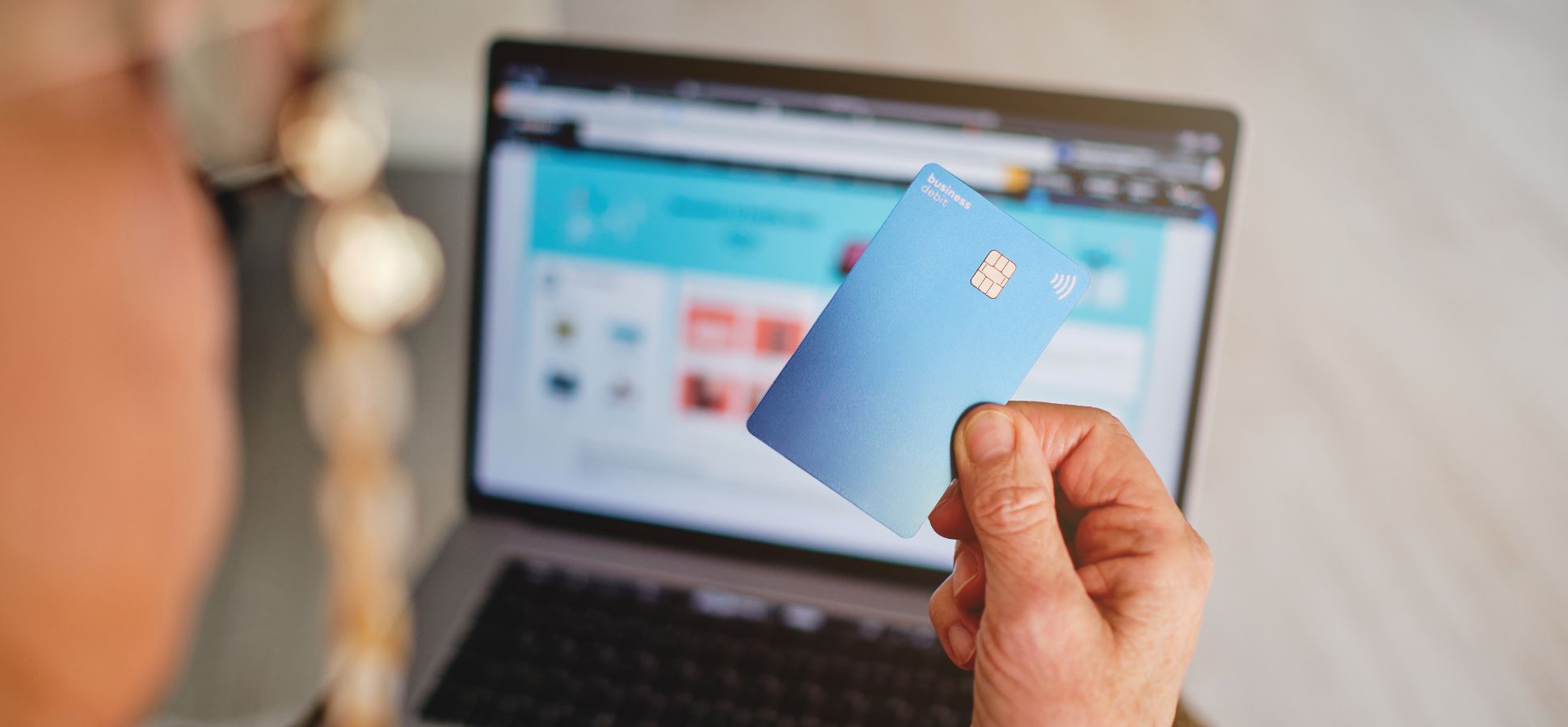
Not long ago, during the holiday season, my husband asked me a question I was dreading: “What do you want for Christmas?” I’m the type of person who found it traumatic and time-consuming to pick an ice cream flavor at the beach with my grandmother. I said a purse. He offered to buy me any pocketbook I wanted.
My painful search started on my computer and continued for two long months, which meant Christmas without a package. I gave my husband three button-down shirts and two pairs of work pants. And I kept working on my IOU from him.
I am not the only one guilty of online shopping hesitation. According to data by Dynamic Yield, a company that provides solutions to enhance digital customer experience, 73.94% of shoppers around the world select items but wait to seal the deal.
The more we browse different pages, the more we will abandon our shopping carts, according to a 2022 study published in the Journal of the Academy of Marketing Science. The topic gains more relevance as our shopping habits change with the use of mobile devices, which are “more prone to consumer browsing,” Clemson University professor Angeline Sheinbaum, who participated in the study, explained in an email.
But even though experts agree shopping hesitation will always exist, they say it can also teach a lot to brands and customers.
What Makes Us Buy Things
Retailers rely on our values, motivations and social circumstances to lure us into buying things, marketing professor Aparna Labroo explained.
I grew up modestly in Brazil. I am the oldest of four children, and my parents spent all they had — and didn’t have — on giving us a good education. Even if my husband and I can afford a nice purse today, my past remains in the back of my head as a gentle invitation to think twice.
“The psychology of money has a lot to do with our families of origin, with our cultural and religious experiences and also our history of financial trauma,” said Joyce Marter, a licensed psychotherapist and author of The Financial Mindset Fix: A Mental Fitness Program for an Abundant Life.
I didn’t want to spend a lot of money. But how much does a durable purse cost in America, anyway? $100? $200?
The different Types of Shoppers
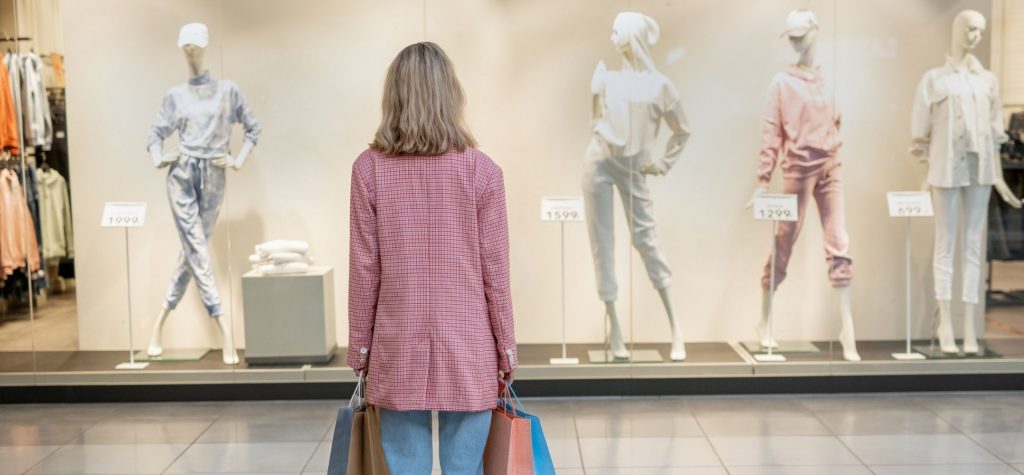
According to a model applied by Roy H. Williams, founder of Wizard Academy, a nonprofit business school in Texas that provides training to small-business owners, different shopper types might hesitate for different reasons. The type called “transactional” sees shopping as a hobby, visits multiple stores, is very disloyal and wants to become an expert in discounts.
“The greatest fear of transactional buyers is paying $1 more than they could have,” said Brian Massey, founder of Conversion Sciences and author of Your Customer Creation Equation. To make them purchase, companies usually give discounts as a strategy, Massey explained.
This type of shopping can harm customers. If not controlled, it can become a compulsive behavior similar to compulsive shopping.
That is not my case. But when Massey described the second type of hesitant shopper, I knew that was me. In my search for the purse, I behaved like what specialists call a “relational shopper:” a person who, while buying, wants to establish relationships — with the brand, the environment or the product itself.
For example, when buying gas, relational shoppers go to the place they trust, which brings value to their lives for some reason— the station is on their way to work, there is a nice coffee shop nearby or the place brings back a childhood memory.
“There has to be trust first,” says Zac Smith, vice chancellor at the Wizard Academy. “But once there’s trust, they will go for convenience over price.”
As complex human beings, we can shift our behavior from relational to transactional depending on the circumstances and the product itself, Smith says. A person can be a relational shopper when buying groceries but be obsessive about the price of gas.
When relational shoppers like me cannot find the right product or need more time to build the trust they need before deciding, they become more hesitant. “Their greatest fear is making the wrong decision,” Massey said.
“Maybe it’s an age thing, like a maturity thing,” said Samantha Antrum, 31, a former classmate of mine who loves shopping. “More and more I’ve been looking for something that isn’t gonna fall apart. That’s gonna bring some larger amount of value into my life.”
To make these folks decide, retailers must remind them of the brand’s values, including generous return and shipping policies and an admirable mission statement, Massey explains. Fashion brand Cuyama, for example, reasserts their “fewer, better” mission during their checkout process: “Designed with longevity and made responsibly, each piece is made for everyday ease so that you love what you wear.”
Shopping Hesitation
In any case, hesitation leads to incomplete purchases. “Like cholesterol, there are two types of abandonment,” Massey said. The good one happens when people start the checkout process to determine the final cost, including shipping, taxes and coupons. They are people who, with no intention of completing the transaction, want to experience the whole shopping process and taste what it feels like almost to own that product. “It’s like putting a toe in the water just to see what’s going on,” he said. It is a good abandonment because these people might come back.

The bad abandonment is the vendor’s fault: Consumers do want to buy the product but leave because the checkout process contains errors or requires too much work. In this case, the brand must fix the cause for abandonment. “Buying socks should not require me to create an account,” Massey said.
He uses his clients’ data to design experiments and reduce these obstacles. He works with conversion optimization, which means making people who browse become customers. It is “the inverse of shopping cart abandonment,” he said.
He started his company in 2007 when the concept of conversion was new, and nobody talked about shopping cart abandonment online. Now, it is one of his clients’ main concerns. They pay for website traffic and want it to result in purchases – and profit.
Making the Decision
What makes us buy good things for ourselves? For Marter, it has to do with self-esteem — or the lack of it — and knowledge. People buy products to feel better about themselves and sometimes hesitate to buy them, thinking they don’t deserve those products. “They may have a lot of trepidation before actually purchasing something,” Marter said.
Others are less confident about making purchases because they need more financial literacy. When in doubt, they decide not to spend, even if they could do so without harming their finances.
One day I just told my husband: “Here is the link, you can buy it. But do it fast, before I change my mind.” I know nothing about investments. But I knew we could afford that $240 purse. It could be a matter of self-esteem to make that purchase happen. Or even simple math: if the purse had good quality, I would be able to use it every day for, let’s say, 10 years. It would end up costing about 6 cents per day! Less than a coffee. And I rarely buy coffee.
Understanding our shopping behaviors can teach us about our priorities, the interests and needs of others in our lives and how brave, risky and controlling we are. It can also reveal our personality.
Among the 16 personality types inspired by the “Myers-Briggs Type Indicator,” shopping habits relate to the “thinking versus feeling” category, Smith says. Since they value the experience, relational shoppers tend to use their feelings as a determinant factor when making decisions. Transactional shoppers, on the other hand, have a more rational approach to their choices.
I discovered I am the feeling type and can become a very loyal client. And I hate risks, not only with shopping but with any uncertainty. Maybe I am like my classmate Samantha and want more stability as I enter my 30s.
As Zygmunt Bauman wrote in Liquid Modernity, buying creates an illusion that we have control over our lives when, in fact, this control doesn’t exist.
Risks are inherent to life and shopping. Eyeglass retailer Warby Parker tries to reduce risks by letting us try multiple pairs of glasses before purchasing them to show us that the company genuinely pursues our interests. Its goal is to make us become loyal customers, Labroo explained. But the one pair of glasses you pick can still lose a screw.