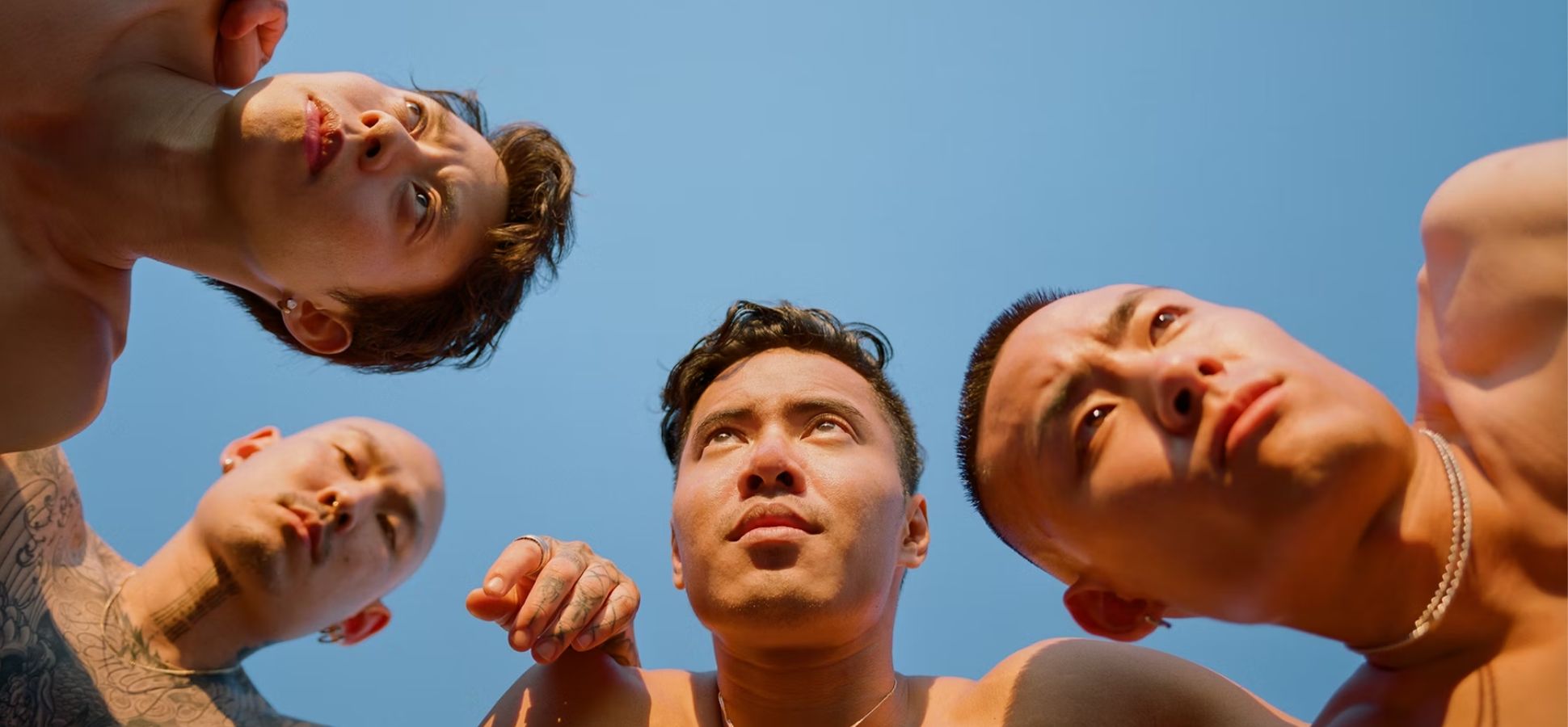
In a world that increasingly emphasizes conformity, it’s refreshing to find someone who’s breaking the mold by redefining masculinity for minority men. Meet Tai Pham, an online fitness trainer and personal coach dedicated to empowering Asian American men to become the best versions of themselves, while staying true to their cultural roots. Anise Health had the chance to uncover Tai’s insights, given his extensive experience helping Asian men achieve their fitness goals without sacrificing their cultural identity.
Finding Strength in Vulnerability

Boys are told at a young age to have a “stiff upper lip” and mask their emotions. These pressures are compounded over time, and are heightened for certain groups that face additional layers of scrutiny. Specifically, Asian Americans are stereotyped as being quiet, complicit, rule-abiding, which often directly contradicts the aggressive, dominant and “hyper masculine” roles that men are expected to hold. How can Asian American men counteract both types of problematic and limiting views?
Tai understands the struggles and desires of this demographic intimately. By aligning his personal and professional life, he brings an empathetic and authentic touch to his coaching. Tai found a profound connection with his fellow Asian men through shared experiences like cultural traditions, food, confidence, and dating challenges. His own story resonates deeply with this community, making his guidance more genuine, impactful, and relatable.
According to Tai, building confidence in Asian American men starts with self-awareness and acceptance. Unlocking one’s strength can come from confronting the vulnerabilities that were limiting one’s potential in the first place. Men can be emotionally expressive without being emasculated; men do not have to be disrespectful in order to be powerful. Embracing the idea that men can and should be thoughtful, compassionate, and influential can enable us to redefine masculinity.
Building Muscle without Sacrificing Good Food
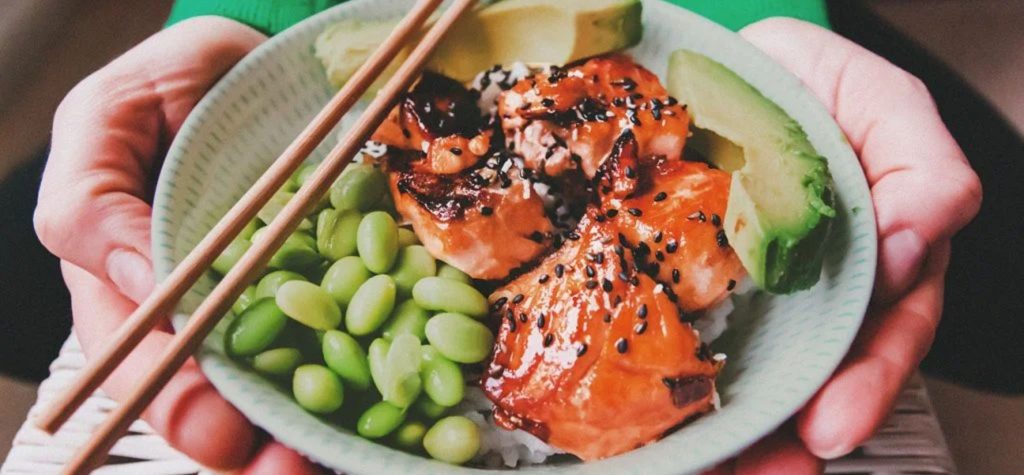
Tai notes that one of the most daunting challenges for Asian men looking to get fit is the fear of giving up beloved staples like rice and noodles. Tai believes in making fitness attainable without sacrificing cultural heritage. He offers practical tips that work for highly family-centric cultures:
- Recognize that Asian cuisine is often high in carbs
- Offer to cook food with caregivers as a bonding activity and also to be mindful of portion control and nutritional choices
- Document what you are eating to track macros, calories, and protein
- Start in a calorie deficit to lose wait, then train 4x – 5x a week and eat more protein
- Track your macros and aim to have 40% protein, 30% carbs and 30% fats
- Be selective about which delicious Asian treats you indulge in, as too much sugar or fried foods can also lead to acne and other negative health consequences
Making these small adjustments can allow Asian American men to build muscle while still enjoying their favorite cultural dishes and avoid offending loved ones who express affection through food.
Empowering the Mind and Body
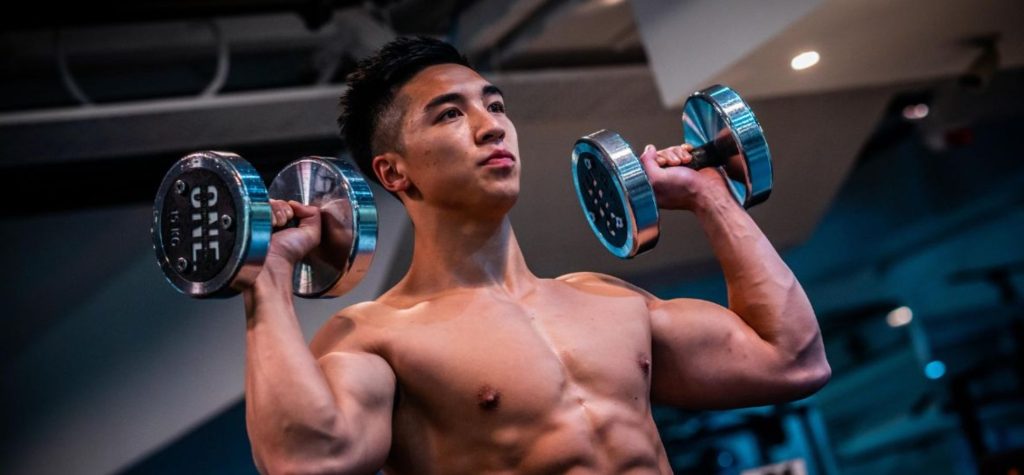
Tai Pham recognizes the intersection of mental health and masculinity. He encourages Asian men to break free from societal expectations of emotional detachment and be open about their feelings. By embracing vulnerability, authenticity, and self-expression, they can experience personal growth and enhanced mental well-being.
Through his fitness journey, Tai has witnessed firsthand how confidence increases when you commit to self-improvement. He encourages Asian men to reach out to others, celebrate their successes, and provide mutual support. This sense of community helps break down stereotypes and empowers individuals to be their true selves.
Navigating Dating and Family Expectations

In the realm of dating, Tai advocates for self-love and acceptance. He acknowledges that embracing one’s identity, practicing self-care, and cultivating a fitness routine can contribute to a gradual journey towards self-confidence. Facing rejection is part of the process, and Tai’s advice is to embrace fear and use it as a stepping stone to courage and self-assuredness.
When it comes to managing family expectations and cultural norms, Tai suggests setting boundaries and having open conversations without judgment. Building confidence in your own identity and seeking support from a community that resonates with your values can be pivotal in overcoming societal pressures.
Join the Movement
Learn more about Anise Health’s clinical care model and 1:1 culturally-responsive services available in California and New York at https://www.anisehealth.co/
If you live elsewhere in the US, are looking for something a bit lighter touch, or run an organization that wants to partner with us – be sure to also check out Anise’s clinician-led peer support circles and other group services! Anise hosts psychoeducational webinars and interactive workshops at companies and nonprofits.
If you’re an Asian American man looking for guidance, empowerment, and a like-minded community, Tai Pham’s platform is a valuable resource. You can connect with him on Instagram @itstaipham and explore his insights at itstaipham.com. For those seeking a supportive space, the Asian Boss Boy Facebook group offers a place to share experiences and learn from one another.