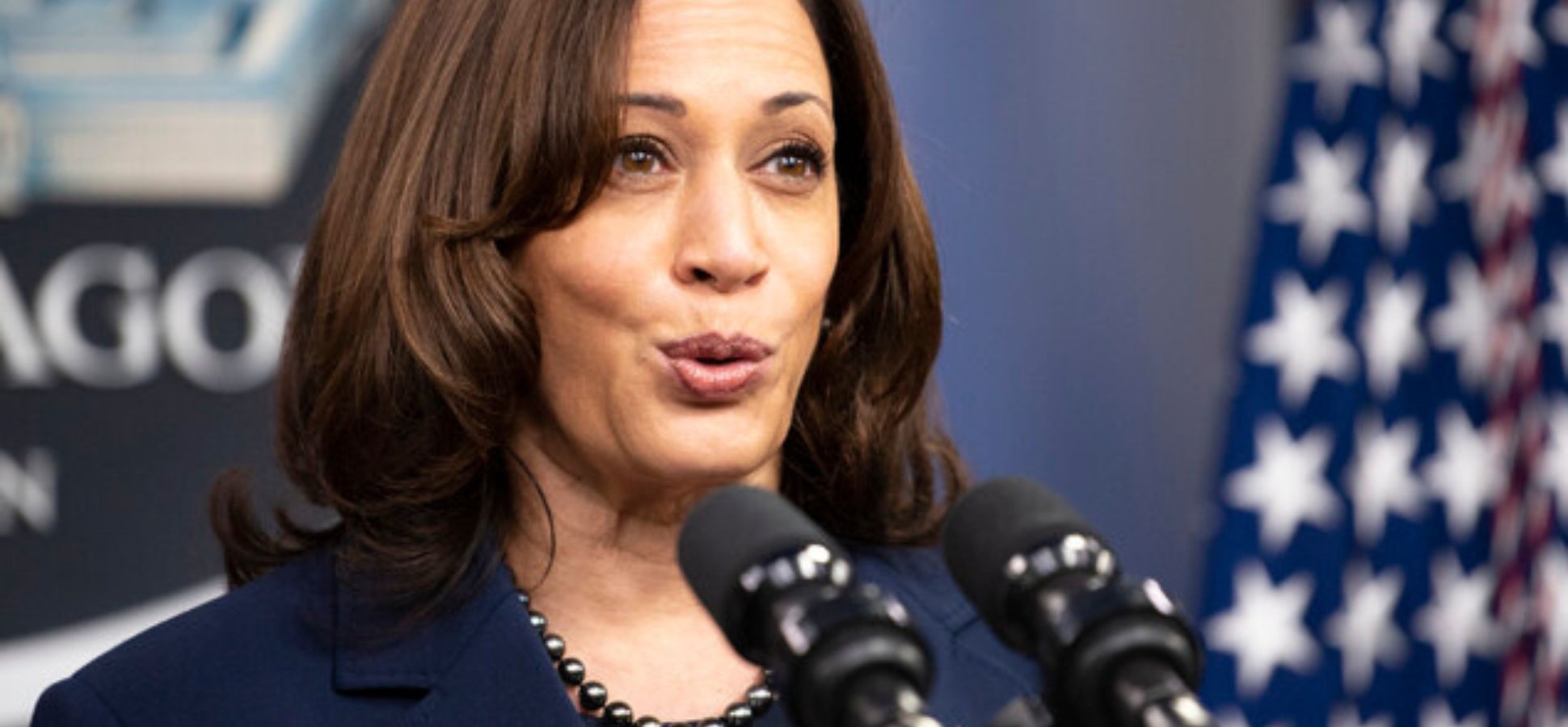
As Vice President Kamala Harris edges closer to possibly securing the Democratic presidential nomination, she confronts a pivotal challenge: utilizing the Biden-Harris administration’s economic achievements as a political strength. Under their leadership, the U.S. experienced a robust recovery from the pandemic-induced recession, achieving a historic low unemployment rate of 3.4% in early 2023, down from 6.4% when they took office in 2021. This period represented the longest streak of unemployment below 4% since the 1960s.
Economic Growth and Wage Increases
The administration’s $1.9 trillion stimulus package spurred strong economic growth and heightened labor demand, leading to significant wage increases, particularly for lower-paid workers, which helped reduce income inequality. However, supply chain disruptions caused shortages in items like furniture and cars, and Russia’s invasion of Ukraine triggered spikes in gas and food prices, resulting in a four-decade high inflation rate in June 2022. Although inflation has since decreased from 9.1% to 3%, consumer sentiment remains low.
Public Perception vs. Economic Data
Despite positive economic indicators like job growth and reduced inflation, a gap persists between these metrics and public perception. Chris Jackson of Ipsos Public Affairs attributes this to the significant price increases over the past three years, only partially offset by wage gains, and a general sense of national unease. Many Americans feel their purchasing power has diminished despite stable employment and wage growth.
Political and Economic Friction
Former President Donald Trump has centered his campaign on the rising cost of living, highlighting increased housing costs and other expenses. In contrast, Harris has emphasized her support for affordable healthcare and childcare, and criticized Trump for intending to reverse policies like the insulin price cap. While inflation has slowed, the high average prices—such as a 21% increase in grocery costs since the Biden-Harris administration began—have frustrated many Americans. Housing affordability has worsened, with rising home prices and mortgage rates making homeownership more challenging.
Economic Adjustments and Household Impact
To combat inflation, Federal Reserve Chair Jerome Powell has aggressively raised interest rates, leading to higher borrowing costs and average mortgage rates exceeding 6.8%. This significant increase followed a period of minimal inflation and low interest rates. Despite recession fears, the economy has shown resilience, with inflation decreasing without a significant rise in unemployment. However, these changes have strained many families, particularly regarding large expenses like housing and vehicles.
Wages and Purchasing Power
Although wages have risen—average hourly pay increased by 23% over four years—household income has not kept pace, partly due to varied employment situations within households. Economists note that despite wage gains, the modest rise in median household income translates to only a 1.6% increase since January 2021, leaving many feeling economically strained. The differing experiences within the labor market highlight the complexity of translating broad economic metrics into personal financial security.