
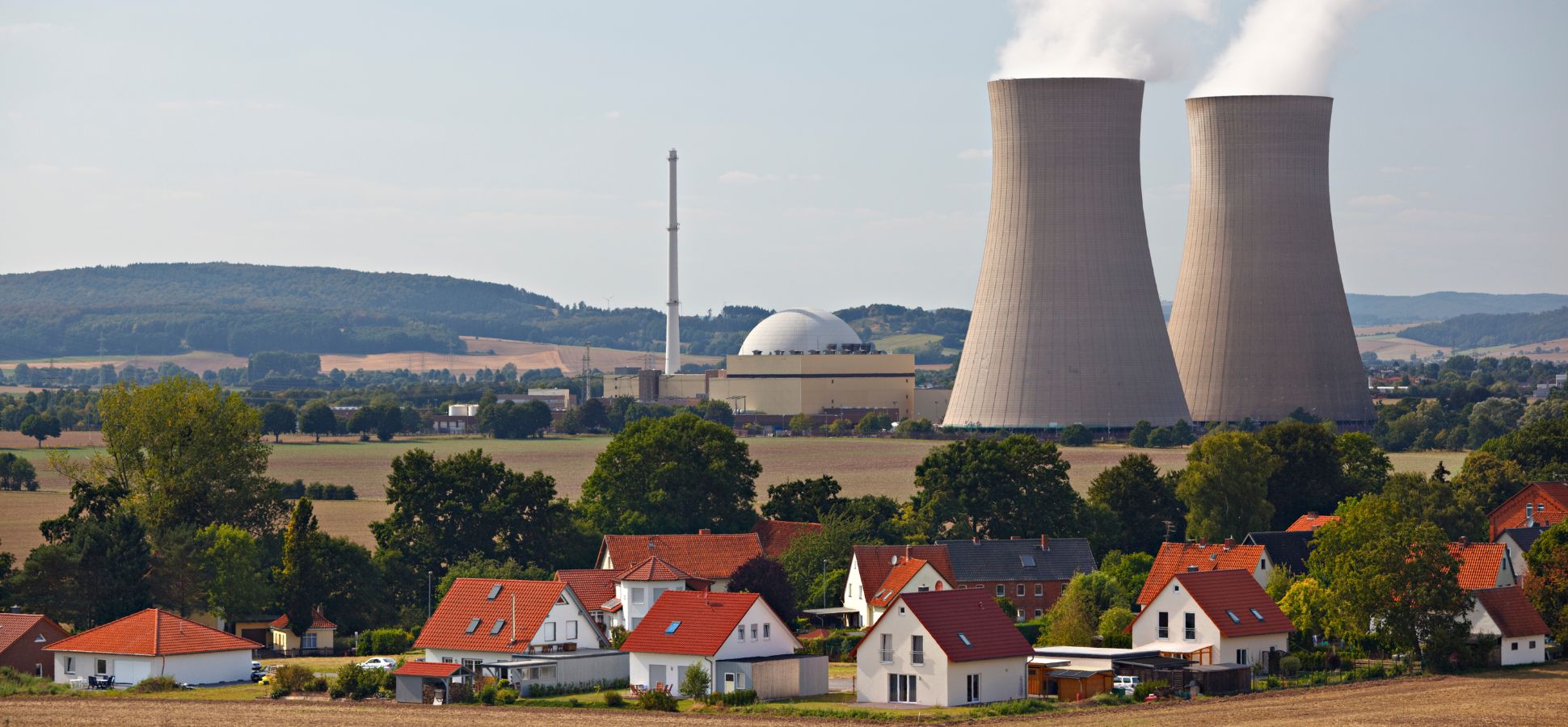
By 2027, the energy demands of artificial intelligence (AI) could rival the total electricity consumption of countries like Sweden and the Netherlands. As tech giants like Meta and Google expand their AI infrastructure, the CEO of Nvidia, one of the leading AI chip manufacturers globally, emphasizes the pivotal role of nuclear energy in meeting these needs.
Jensen Huang described nuclear energy as “a wonderful way forward” for sustainable power sources. In his recent comments, he noted, “It won’t be the only one. We’re going to need energy from all sources and balance the availability, cost, and sustainability over time.” This perspective highlights the necessity for a diverse energy strategy as the demand for electricity in AI applications surges.
Despite the increasing electricity consumption associated with AI, Huang believes that the enhanced productivity generated by AI will offset these energy costs. His remarks come in the wake of Microsoft’s decision to reopen the Three Mile Island nuclear facility, a site that had been inactive for five years. Prominent figures in the AI sector, like Sam Altman of OpenAI, also recognize nuclear power as a critical component in addressing the growing energy requirements of AI technologies. Altman has notably invested $375 million in Helion Energy, a startup focused on nuclear fusion ambitions.
The energy consumption of AI is not a trivial matter. A recent environmental report from Google revealed a nearly 50% increase in emissions, largely attributed to the energy demands of its data centers and supply chain operations. The report acknowledged the challenge of reducing emissions as AI integration into products intensifies, leading to higher energy needs.
Nvidia currently dominates the AI chip market with a staggering 70% to 95% share. Its primary clients, including Meta, Amazon, Google, and Microsoft, account for over 40% of the company’s revenue. As of now, Nvidia’s market capitalization stands at approximately $2.953 trillion, underscoring its pivotal role in shaping the future of AI and the associated energy landscape.


