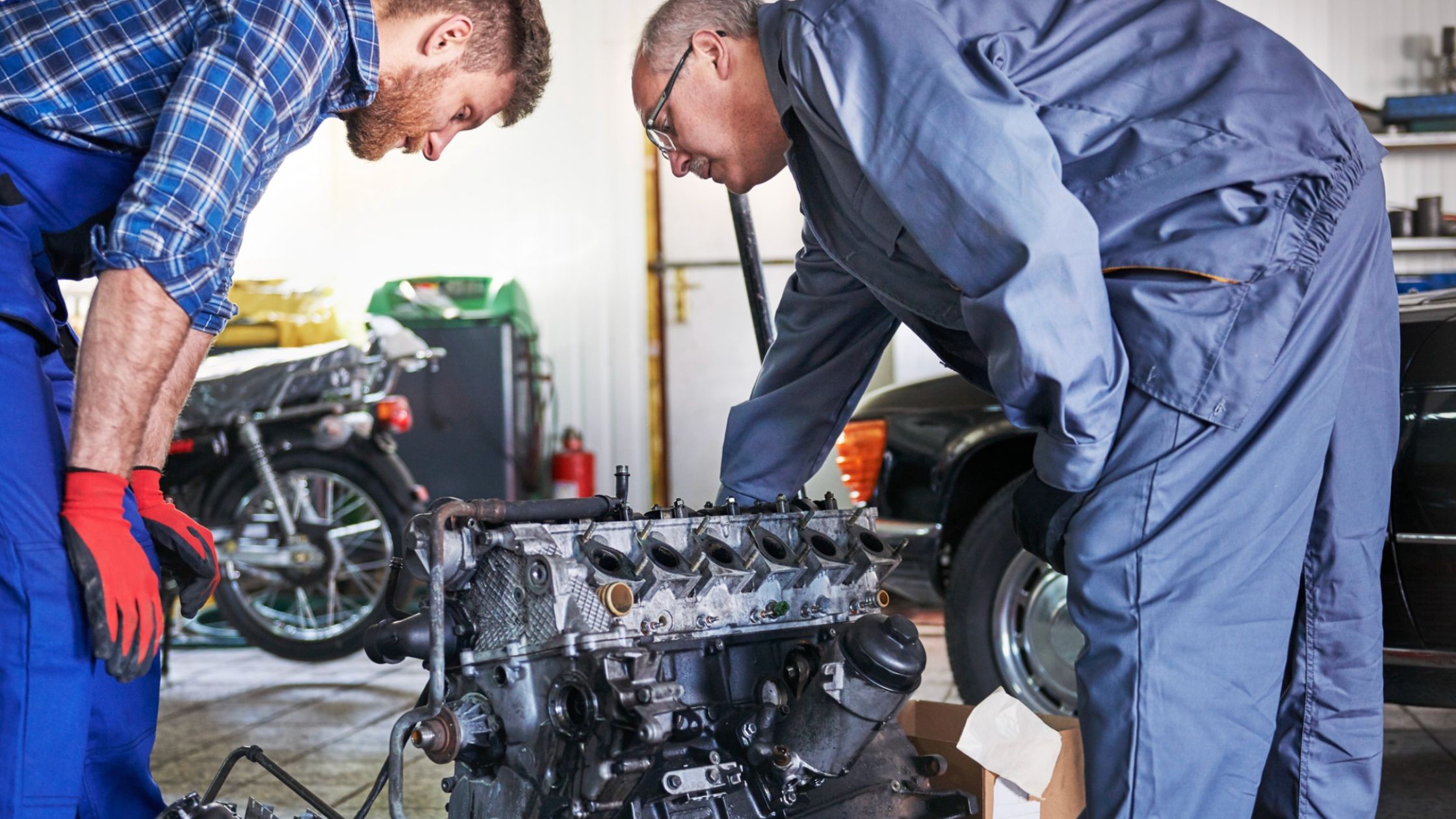
The Ford EcoBoost engine has revolutionized the automotive landscape since its introduction, combining turbocharged performance with impressive fuel economy. Millions of Ford vehicles now feature this innovative powerplant, from the best-selling F-150 pickup to popular SUVs and even the iconic Mustang. However, the advanced technology that makes EcoBoost engines so efficient also demands specific maintenance that differs from that of traditional naturally aspirated engines.
Understanding these unique requirements helps owners protect their investment and avoid costly repairs down the road. Finding a qualified service provider, whether searching for Ford repair or working with a trusted local shop, becomes essential for maintaining these sophisticated engines. The following guide explores what every EcoBoost owner needs to know about proper maintenance and care.
Understanding the Ford EcoBoost Engine
The EcoBoost technology represents Ford’s answer to the modern demand for both power and efficiency. Unlike conventional engines, EcoBoost units combine turbocharging with direct fuel injection, allowing smaller displacement engines to produce power levels typically associated with larger powerplants while maintaining better fuel economy. Numerous Ford models across different segments have adopted this engineering approach.
The F-150 offers several EcoBoost options, including the popular 2.7-liter and 3.5-liter variants, while the high-performance Raptor utilizes a more powerful version. Family vehicles like the Explorer, Escape, and Edge also feature EcoBoost engines sized appropriately for their missions. Even the Mustang sports car adopted a 2.3-liter turbocharged four-cylinder option, proving the technology’s versatility across Ford’s entire lineup.
The Critical Maintenance Timeline
Proper maintenance scheduling forms the foundation of EcoBoost engine longevity. These turbocharged powerplants operate under higher stress levels than traditional engines, making adherence to service intervals particularly important. The maintenance calendar begins with frequent oil changes, typically required every 5,000 to 7,000 miles, depending on driving conditions and habits.
Regular interval services expand beyond fundamental oil changes. Air filter replacements are necessary approximately every 30,000 miles, though dusty environments may require more frequent attention. The fuel filter requires periodic inspection at similar intervals to ensure proper fuel delivery to the direct injection system. Spark plugs, which endure harsher conditions in turbocharged applications, generally need replacement between 60 and 100,000 miles, though specific intervals vary by engine variant.
Transmission service and coolant system maintenance also fall within the extended interval category, typically required every sixty thousand miles or more. These services protect critical supporting systems that work in concert with the engine itself. Neglecting any scheduled maintenance item can create cascading problems that affect multiple engine components simultaneously.
Oil Service Considerations
The relationship between oil quality and EcoBoost engine health cannot be overstated. Turbochargers spin at extreme speeds while operating at high temperatures, placing tremendous demands on engine oil. The oil must protect both conventional engine components and the turbocharger bearings, which can fail catastrophically if lubrication becomes inadequate.
Ford specifies synthetic oil for EcoBoost engines, typically 5W-30 grade, though owners should always verify the exact specification for their particular engine. Synthetic formulations maintain their protective properties over a wider temperature range and resist breakdown better than conventional oils. The direct injection system also contributes to oil contamination, as fuel can dilute the oil more readily than in port-injected engines.
Many EcoBoost owners benefit from changing oil more frequently than the maximum recommended interval, particularly those who drive primarily in city traffic or make frequent short trips. These conditions prevent the engine from reaching full operating temperature consistently, allowing contaminants to accumulate in the oil. A slightly shorter oil change interval provides inexpensive insurance against premature engine wear.
Protecting the Turbocharger System
The turbocharger represents the heart of EcoBoost technology and requires specific care to ensure longevity. These components operate at extreme temperatures and speeds, with turbine wheels spinning at over 100,000 revolutions per minute. Proper operation techniques significantly impact turbocharger lifespan.
Engine warm-up becomes particularly important in cold weather. Starting the vehicle and immediately driving forces cold oil through tight turbocharger clearances before it reaches proper viscosity. Allowing the engine to idle briefly and driving gently until reaching operating temperature protects these sensitive components. Similarly, after sustained high-speed driving or towing, allowing the engine to idle for thirty seconds to a minute before shutdown lets the turbocharger cool gradually while maintaining oil circulation.
The cooling system directly affects turbocharger health. Coolant flows through passages in the turbocharger housing, helping manage extreme temperatures. Any cooling system deficiency, whether low coolant levels or degraded coolant quality, can lead to turbocharger damage. Regular coolant system maintenance, as specified by Ford, protects this expensive component.
Addressing Carbon Accumulation
Direct fuel injection, while offering efficiency benefits, creates a specific maintenance challenge that port-injected engines avoid. In traditional engines, fuel washing over intake valves helps keep them clean. Direct injection sprays fuel directly into the combustion chamber, leaving intake valves exposed to crankcase vapors and oil mist without the cleaning action of gasoline. Over time, carbon deposits accumulate on valve surfaces, restricting airflow and reducing engine performance.
Symptoms of excessive carbon buildup develop gradually. Owners may notice rough idling, reduced power output, or decreased fuel economy as deposits accumulate. In severe cases, the engine may misfire or run poorly at certain speeds. Prevention strategies include using quality gasoline with detergent additives and avoiding excessive idling when possible.
Professional carbon-cleaning services are necessary when deposits accumulate significantly. Walnut shell blasting, a specialized procedure that safely removes deposits without damaging valve surfaces, offers the most effective solution. This service typically becomes relevant between 80,000 and 120,000 miles, though driving habits significantly influence the timeline.
Common Maintenance Challenges
Early EcoBoost engines, particularly the 3.5-liter variant produced before 2013, were prone to timing chain rattling during cold starts. While Ford addressed this problem in later production, owners of earlier vehicles should monitor for this symptom and maintain proper oil change intervals to minimize risk.
Condensation accumulation in the intercooler affects some EcoBoost engines, particularly in humid climates or during temperature fluctuations. This moisture can cause rough idling or misfires when ingested into the engine. While aftermarket solutions exist, understanding this characteristic helps owners recognize the symptoms when they occur.
Coolant system leaks represent another concern, as the complex plumbing required for turbocharger cooling creates additional potential failure points. Small leaks can quickly escalate into major problems if the cooling system becomes compromised. Regular inspection of hoses, connections, and the coolant reservoir helps catch issues before they cause engine damage.
Professional Service Versus Owner Maintenance
While enthusiastic owners can perform basic maintenance tasks, certain EcoBoost services require professional expertise and specialized equipment. Oil changes fall within the capability of experienced DIY mechanics, though the convenience of professional service often justifies the modest cost difference. Air filter replacement represents another straightforward task that owners can easily accomplish.
However, more complex services demand professional attention. Spark plug replacement, while conceptually simple, requires specific tools and techniques to avoid damaging the cylinder heads on some EcoBoost variants. Carbon cleaning services necessitate specialized equipment not available to typical home mechanics. Any work involving the turbocharger system, cooling system repairs, or diagnostic procedures benefits from professional expertise and proper diagnostic equipment.
Maximizing Engine Longevity
Beyond scheduled maintenance, operating habits significantly influence the lifespan of the EcoBoost engine. Using quality fuel, preferably meeting Top Tier standards for detergent content, helps maintain fuel system cleanliness. Avoiding excessive idling reduces unnecessary wear and prevents oil contamination. Responding promptly to warning lights prevents minor issues from escalating into major repairs.
Maintaining detailed service records proves valuable both for tracking maintenance intervals and preserving resale value. Prospective buyers appreciate documented maintenance history, particularly for turbocharged engines, where maintenance becomes more critical. Establishing a relationship with a trusted service provider ensures consistent care and allows mechanics to become familiar with the specific vehicle’s history and characteristics.