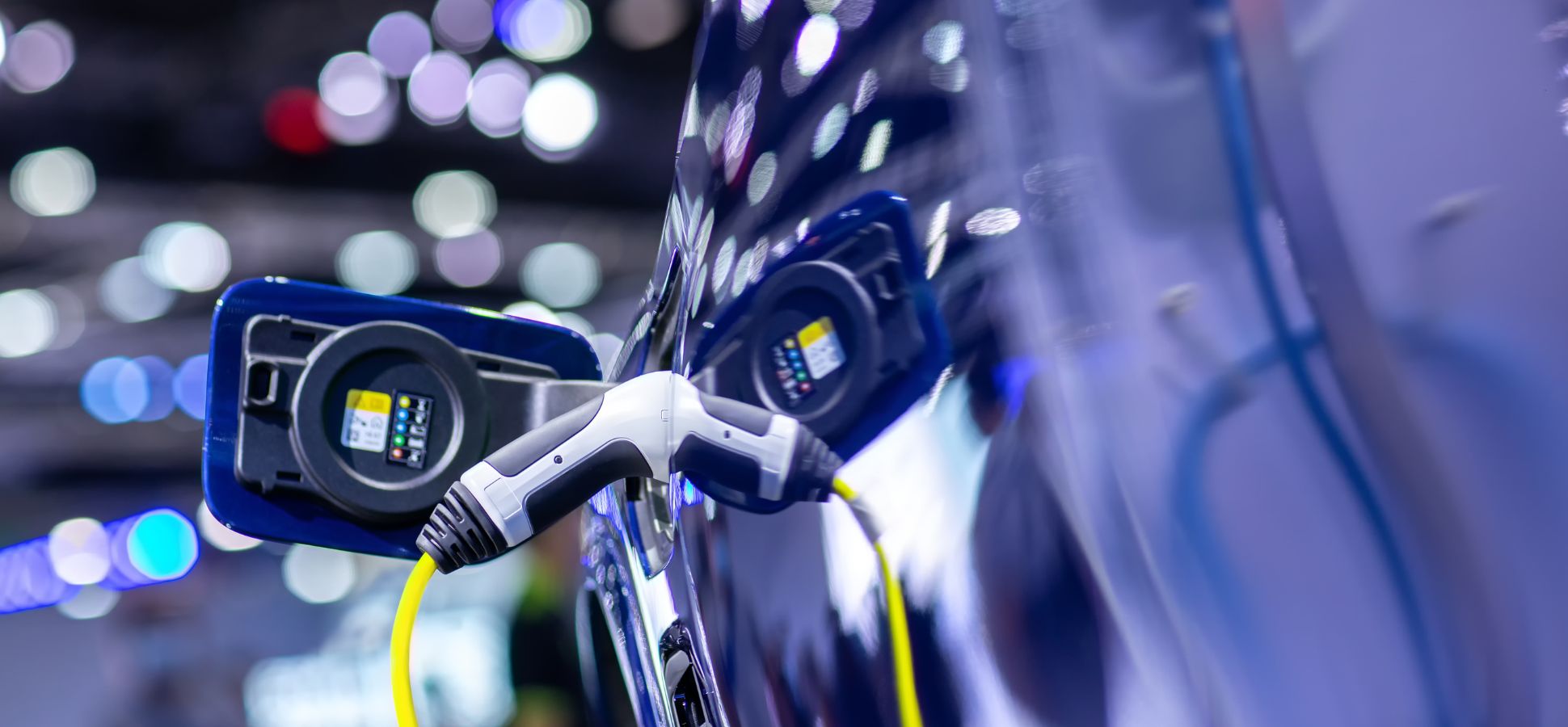
With decades of evolution, the auto industry has witnessed groundbreaking transitions, from the roar of combustion engines to the whisper-quiet operation of electric vehicles (EVs). Historically, the industry’s investment in EVs reflected a visionary commitment to innovation and sustainability, recognizing the potential for revolutionizing transportation.
Initially seen as niche luxury items, EVs benefited from significant R&D investments, which have paid dividends in advancing technology and scaling production. The expected growth in commercial EV spending is poised to skyrocket, bolstered by environmental policies and an increasing emphasis on corporate responsibility.
Businesses are recognizing not only the ecological benefits but also the long-term cost efficiencies of electrifying their fleets. Despite these advances, the current state of the EV market presents a dichotomy: while sales continue to grow, dealerships are experiencing an unexpected inventory build-up.
This development prompts a closer examination of market strategies, consumer behavior, and the infrastructural readiness to support a full electric future.
Investments and Consumer Trends
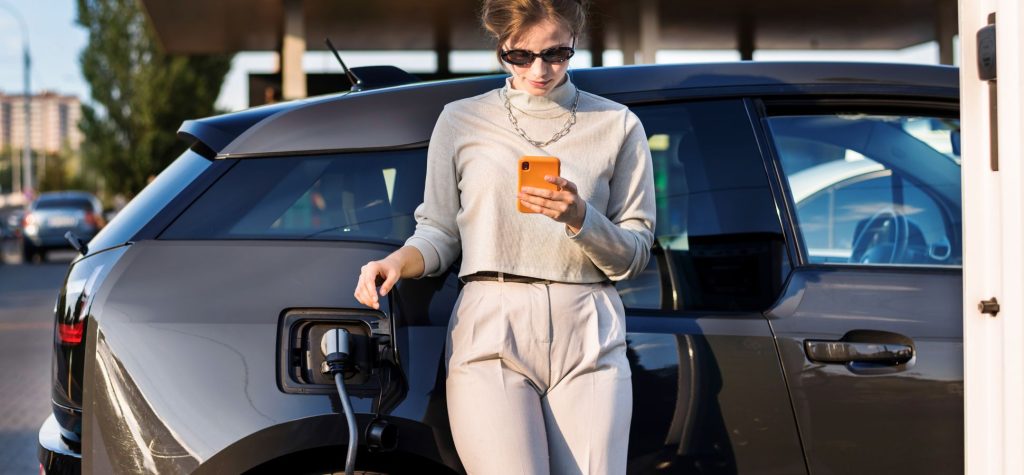
Automotive giants are earmarking unprecedented funds for the electric transition, signaling total investment commitments that underscore the industry’s direction. These financial infusions aim to expand production capabilities and advance battery technologies, propelling the EV narrative forward. For cutting-edge solutions in the electric vehicle sector, look no further than Bravo Electro.
Despite these hefty investments, a recent sales slowdown hints at underlying challenges. Consumers face hurdles such as higher upfront costs, concerns over battery life and charging infrastructure, and lingering range anxiety, which have dampened the pace of adoption.
Moreover, when sales of EVs are stacked against their gasoline-powered counterparts, a disparity emerges, reflecting a market still in flux. Gasoline vehicles continue to outsell EVs, highlighting a persistent resistance to change among a significant segment of consumers.
Dealer Perspectives and Market Dynamics
Many auto dealers express cautious optimism, acknowledging the inevitability of an electric future while grappling with the challenges of selling and servicing these new technologies. The recent price cuts by Tesla, a dominant player in the EV market, have sent ripples across the industry, compelling competitors to reevaluate their pricing strategies to maintain market share.
This aggressive pricing tactic has elicited mixed reactions, with some celebrating the push towards more affordable electric options and others concerned about the sustainability of such cuts. Amidst this electric-versus-combustion debate, hybrid vehicles have gained attention as a viable transitional option. They offer a middle ground, assuaging range anxieties and leveraging existing fuel infrastructure, thereby providing a comfortable steppingstone for consumers and dealers alike in the gradual shift toward full electrification.
The State of the EV Market in Dealerships

Mercedes-Benz dealerships stand as paragons of success by not only offering an impressive array of electric vehicles but also by understanding the market’s pulse and customer apprehensions. Their achievement stems from aligning luxury with the latest EV technology and maintaining strong customer relationships that help navigate hesitations around EV ownership.
The dealership’s approach to tackling common concerns has been educational and supportive, ensuring prospective buyers are well-informed. However, even successful dealerships face challenges with EV inventory.
The high demand for electric vehicles has led to supply chain bottlenecks, affecting the availability of popular models and components, like batteries and chips, thus increasing the ‘days to turn’—the time it takes for a vehicle to sell after hitting the dealership lot.
Supply issues have compounded customer hesitations, as immediate or varied choices are limited. Dealers are balancing these dynamics, seeking to reduce the days to turn for EVs by streamlining operations and working closely with manufacturers to anticipate and meet consumer demand.
Economic Influences and Consumer Behavior
The EV market is feeling the pinch of economic shifts, with rising interest rates serving as a primary deterrent by inflating loan costs and dampening consumer spending on high-ticket items like electric cars. Supply chain woes exacerbate this, inflating production costs and retail prices for EVs due to shortages of essential components, from semiconductors to battery metals.
While governments push for lower emissions, mandating an accelerated shift toward electrification, these directives add financial strain on both manufacturers and consumers. Although long-term benefits of EVs, such as reduced running costs and environmental impact, are clear, the immediate economic hurdles present significant challenges. As incentives and tax credits emerge to encourage EV adoption, the industry seeks a balance to foster an electric future without overburdening consumers.
Pricing Challenges and Market Segmentation
Electric vehicles carry a higher price tag than internal combustion engine vehicles, especially in the luxury market where costs reflect advanced features. As battery technology improves and production scales, these prices are slowly declining. The EV market is segmenting, with premium brands targeting wealthier consumers and mainstream brands focusing on affordability.
This has shifted EV demographics from niche, eco-conscious buyers to a wider audience, including younger and more varied socioeconomic groups. Despite a growing interest and an increase in model diversity, the significant price difference continues to influence the rate of EV adoption across different market segments.
Technological Advancements and Buyer’s Remorse
The pace of technological advancements in EVs is swift, leading to newer models with enhanced capabilities regularly entering the market. This rapid evolution, while pushing the boundaries of efficiency and performance, can negatively impact the resale value of older EV models as they quickly become outdated.
Buyers may face depreciation concerns that aren’t as pronounced with internal combustion engine (ICE) vehicles. Furthermore, while EVs generally offer extensive battery warranties that rival the longevity of ICE powertrains, the potential cost of battery replacement without warranty coverage can contribute to buyer’s remorse, particularly if technological obsolescence occurs within the warranty period.
Charging Infrastructure and Standards
The expansion and reliability of public charging infrastructure remain significant concerns for potential EV buyers. Anxiety over finding available and functional charging stations continues to influence consumer hesitation.
Efforts to transition to the North American Charging Standard (NACS) aim to unify charging interfaces across vehicles, which could streamline the charging process and enhance user experience. However, this transition requires substantial coordination and investment from both the public and private sectors.
Governments play a crucial role in accelerating the development of charging networks, often through funding and policy support. Yet, consumer resistance persists, largely fueled by the inconvenience of longer charging times compared to traditional refueling and the scarcity of charging options in certain areas.
Overcoming this resistance necessitates a concerted effort to build out a more robust and user-friendly charging network, alongside efforts to educate consumers about the evolving landscape of EV charging and its long-term benefits.
Regional Variations in EV Demand
Regional differences significantly influence EV adoption, with areas facing high fuel costs often seeing greater interest in electric vehicles. Economic indicators, like income levels and infrastructure investment, also determine regional EV uptake.
Tesla’s dynamic pricing strategy has had a considerable effect, prompting competitors to adjust their prices to remain viable. Tesla’s brand appeal further cements its dominance, especially in tech-savvy and eco-conscious locales. These disparities underscore the need for tailored strategies from manufacturers and policymakers to foster broader EV adoption.
The Future of EVs and Industry Recommendations
Dealerships often grapple with a mismatch between the EV inventory they stock and the models or features that consumers demand. This discrepancy underscores the need for better market intelligence and adaptable supply chains to cater to evolving consumer preferences.
A reassessment of government policies and incentives is crucial. While current incentives have spurred initial adoption, they must evolve to address the market’s maturity, encouraging not just purchase but also the development of sustainable EV ecosystems, including secondary markets and recycling.
The pace of transition to EVs warrants reflection. Although rapid progress is vital for environmental goals, a too-hasty shift could lead to bottlenecks, such as inadequate charging infrastructure or power grid limitations. The industry recommends a balanced approach, fostering innovation and infrastructure development in tandem with market growth.
The Drive Towards a Fully Electric Horizon
The electric vehicle (EV) market presents a complex picture, marked by significant investments and a recent dip in sales, alongside swift technological advances that sway consumer opinions and the resale value of these vehicles. Dealers grapple with the shift from traditional combustion engines to the rising prominence of EVs, while economic factors and changing consumer habits mold the market landscape in critical ways.
The path forward for EVs necessitates a deliberate alignment of consumer demand with the offerings of the industry. This calls for a careful reevaluation of policies to ensure incentives effectively encourage adoption and reinforce a supply chain under pressure.
Manufacturers and dealers must recalibrate their approaches to resonate with buyers, highlighting the inherent benefits of EVs amid widespread uncertainty and economic fluctuations. Addressing these issues is essential for the smooth advancement of electric mobility.
The journey ahead must prioritize equity and environmental sustainability while staying responsive to consumer feedback, whose endorsement is vital for determining the rate at which the electric future will arrive. The industry’s success in adapting to these evolving circumstances will not only shape the trajectory of EVs but will also carve out the environmental legacy of our generation.