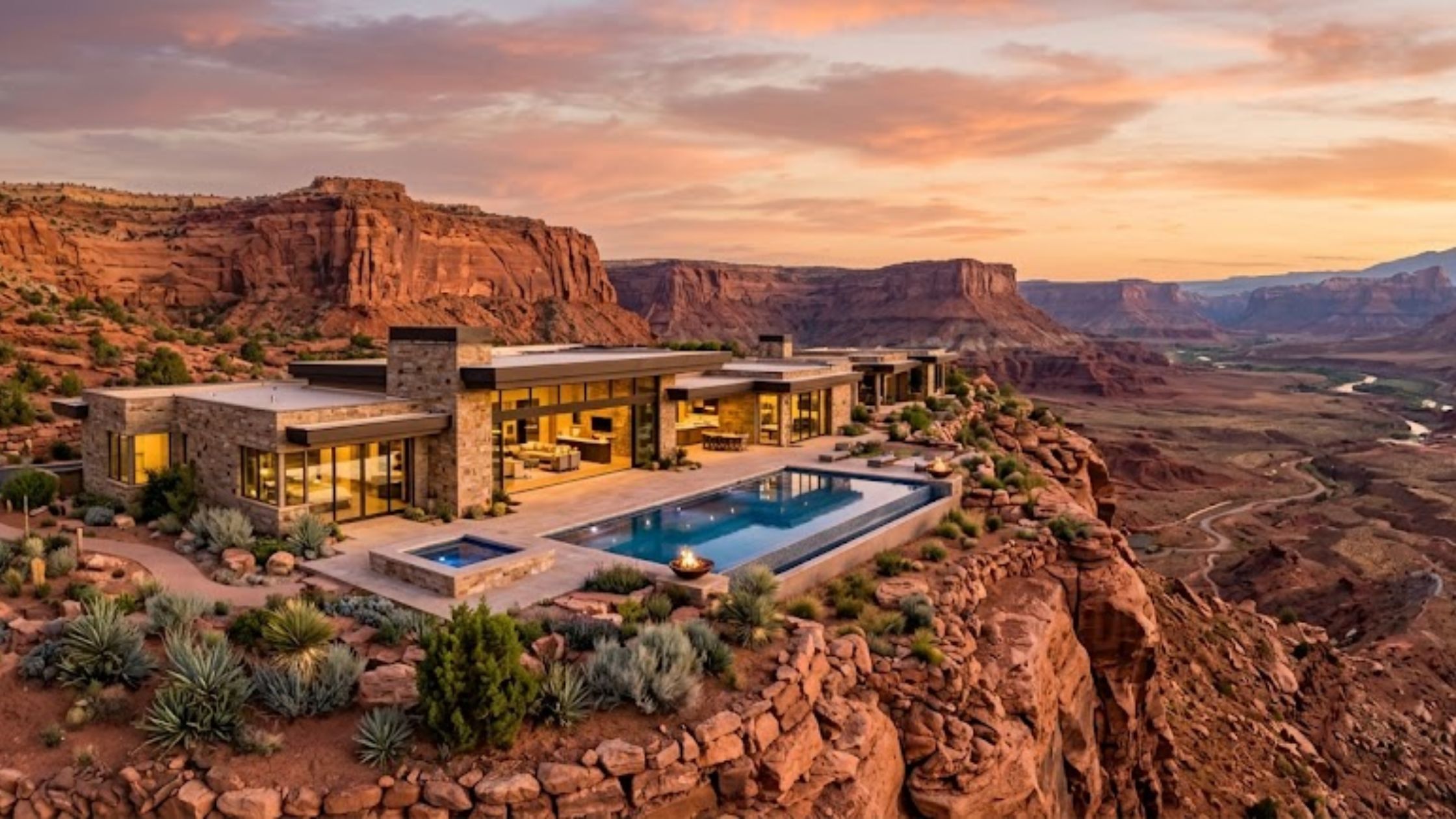
Relocating to a luxury home in Southern Utah can look straightforward from a distance. A buyer sees expansive views, newer construction, private outdoor spaces, and easier access to trails, golf, and national parks. But a successful purchase depends on more than finishes and square footage. The right property must also support the buyer’s work, travel schedule, household routines, and long-term financial plans.
For executives, business owners, and families moving from larger markets, the most expensive mistakes usually come from overlooking local conditions. A home that appears ideal during a spring showing may perform differently during July heat, winter storms, or a future resale cycle.
The View Is Only One Part of the Property
Southern Utah’s scenery is a major reason buyers relocate, but views can distract from practical questions. A home facing open desert may offer privacy today while also being exposed to wind, dust, intense afternoon sun, or future development. Buyers should investigate nearby parcels, approved projects, road expansions, and zoning before treating a view as permanent.
Orientation also affects daily comfort. West-facing glass can create significant heat gain during the summer, increasing cooling costs and placing more demand on window coverings and HVAC equipment. Outdoor living areas should be evaluated at the hours when the household is most likely to use them. A beautiful patio that becomes uncomfortably hot after 3 p.m. may not deliver the lifestyle value shown in marketing photos.
A thorough inspection should include roofing materials, stucco, windows, drainage, retaining walls, and exterior finishes. Flash flooding and intense rain can create problems on sloped lots, especially where grading directs water toward garages, patios, or lower-level rooms.
Buyers comparing Southern Utah Luxury properties should assess how the home performs as a complete system rather than judging the kitchen, primary suite, or view separately.
Location Changes the Cost of Convenience
A home in St. George, Ivins, Washington, or Hurricane may be only a short distance from familiar amenities on a map, but drive times can change with school traffic, seasonal visitors, construction, and limited routes across the region. A relocating buyer who travels frequently should test the actual route to the airport, medical facilities, offices, and preferred services at realistic times of day.
For business owners, reliable connectivity deserves the same attention as a home office’s cabinetry. Internet availability can vary by neighborhood and development. Confirm service options, upload speeds, installation timelines, and whether a backup connection is practical before closing. A remote executive or professional cannot assume that a high-end property automatically has business-grade connectivity.
Water and utility details also deserve review. Landscaping, pools, water features, and large lawns can materially affect monthly operating expenses in a dry climate. Ask for recent utility records when available, then estimate costs during peak summer conditions rather than relying on mild-season figures.
Luxury Ownership Includes Ongoing Operating Decisions
New construction may reduce near-term repair needs, but it does not eliminate ownership costs. Premium homes often include larger mechanical systems, extensive glazing, elevators, pools, smart-home equipment, and specialized landscaping. Each feature adds maintenance requirements and replacement exposure.
Before making an offer, buyers should request service records, equipment ages, warranties, and details about any transferable contracts. A pool system near the end of its useful life or an aging HVAC unit may not be visible during a polished showing, yet replacement can cost tens of thousands of dollars.
Insurance should also be reviewed early. Coverage, deductibles, wildfire considerations, roof age, and replacement-cost assumptions can vary by property and location. A buyer who waits until the final stage of the transaction may discover that premiums or coverage limitations change the affordability calculation.
The Best Purchase Supports the Next Five Years
Relocating buyers should evaluate whether the property can adapt as circumstances change. Will the office remain useful if a partner begins working from home? Is there a comfortable guest suite for visiting family? Can the outdoor space function without constant upkeep? Would the home appeal to a future buyer if employment, family needs, or travel patterns change?
A luxury purchase is strongest when its practical advantages remain clear after the first impression fades. By examining climate exposure, access, operating costs, infrastructure, and resale flexibility, buyers can choose a home that feels exceptional while still making sound business and household sense.