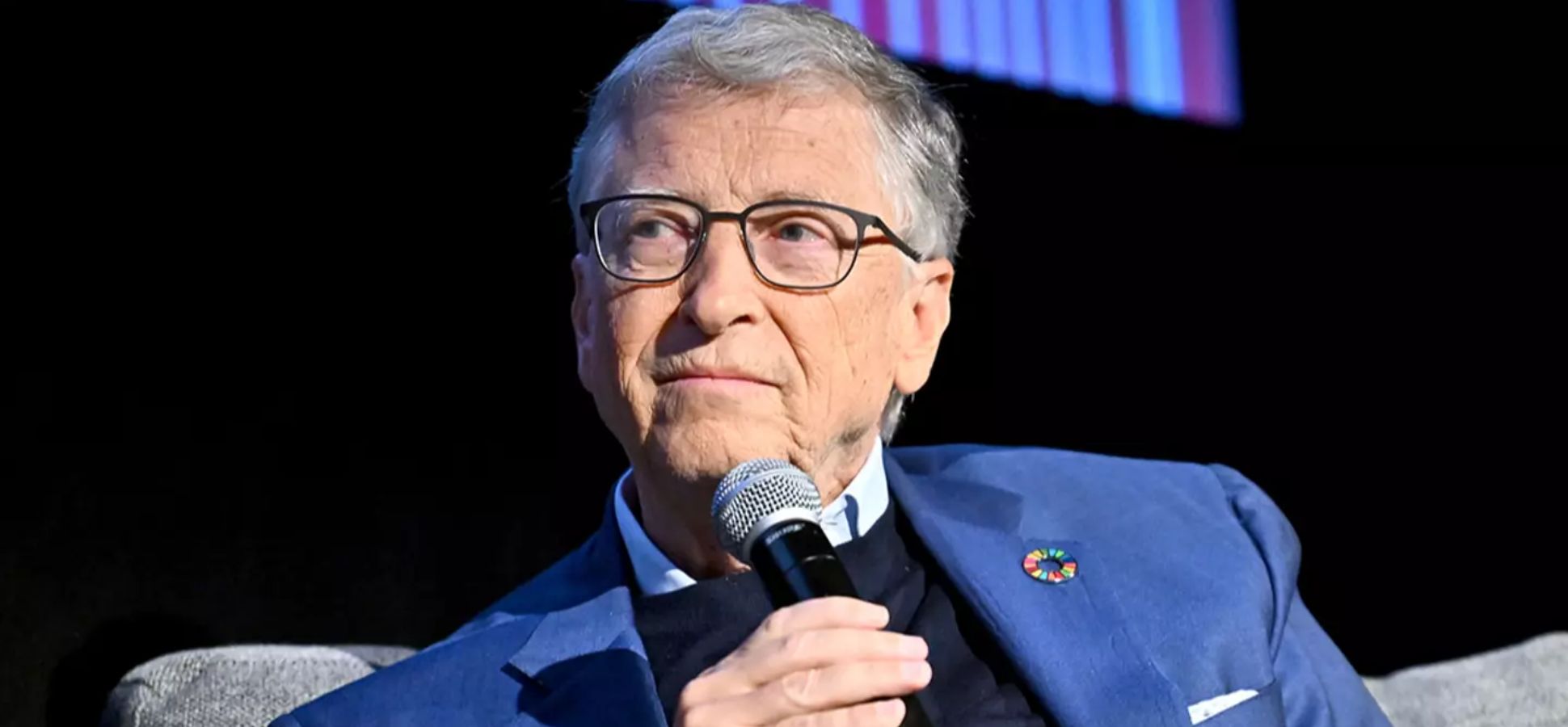
Bill Gates, once synonymous with immense wealth and technological innovation, has recently slipped out of the top tier of America’s richest individuals. Once holding the title of the world’s wealthiest person for years, Gates now ranks outside the top 10 wealthiest people in the world, a dramatic shift that reflects both personal choices and broader financial dynamics.
This article unpacks the reasons behind Gates’ decline in wealth rankings, from his landmark philanthropic commitments and divorce settlement to the shifting fortunes of his peers. By examining these factors, we gain insight into how wealth is not only accumulated but also redistributed and redefined in the modern era.
The Legacy of Bill Gates’ Wealth
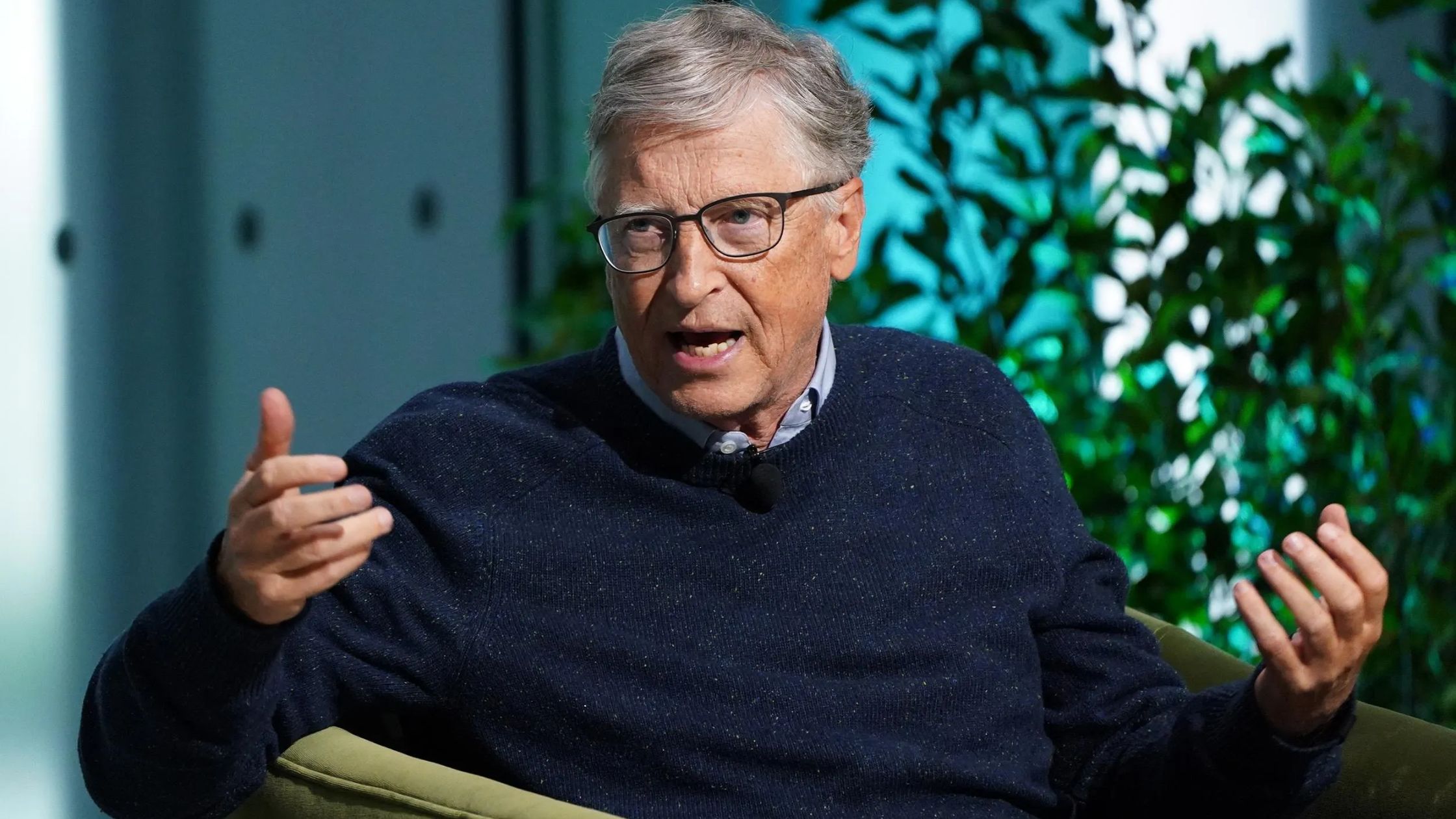
Bill Gates’ ascent to the ranks of the 10 wealthiest people in the world is rooted in his role as the co-founder of Microsoft. Launching the company with Paul Allen in 1975, Gates helped transform Microsoft from a small software startup into a global technology powerhouse. By the late 1980s and throughout the 1990s, Microsoft’s dominance in personal computing and enterprise software drove exponential revenue growth, positioning Gates as a fixture atop global wealth rankings.
During the 1990s and early 2000s, Gates consistently held the title of the world’s richest person. His net worth soared as Microsoft’s Windows operating system and Office suite became industry standards, adopted by businesses and consumers worldwide. Gates’ fortune was largely tied to his substantial holdings in Microsoft stock, which appreciated dramatically as the company’s market capitalization surged. This pattern mirrored the rise of other tech billionaires, but Gates’ early entry and Microsoft’s near-monopoly in software gave him a unique edge.
As Microsoft matured and diversified, Gates began to shift his focus. By the mid-2000s, he started stepping back from day-to-day operations, eventually dedicating more time to philanthropy. Through the Bill & Melinda Gates Foundation, he redirected a significant portion of his wealth toward global health, education, and poverty alleviation. This transition marked a new chapter in Gates’ legacy, distinguishing him from many of his peers who remained primarily focused on business expansion. His journey from tech titan to leading philanthropist has had a lasting impact, both on the world of business and on global charitable efforts.
Microsoft’s Role in Building Gates’ Fortune
Microsoft’s explosive growth in the 1990s and 2000s was the engine behind Gates’ immense wealth. The company’s initial public offering in 1986 set the stage, but it was the widespread adoption of Microsoft products that fueled sustained stock appreciation. Gates’ strategy of retaining a large share of Microsoft’s equity meant that his net worth rose in tandem with the company’s success.
- Microsoft’s stock price multiplied many times over during this period, especially as the company expanded into new markets and technologies.
- Gates’ holdings in Microsoft stock consistently represented the bulk of his fortune, unlike some tech founders who diversified earlier or sold off larger portions of their shares.
- Compared to other tech billionaires—such as Jeff Bezos of Amazon or Mark Zuckerberg of Meta—Gates’ trajectory was marked by an earlier start and a more gradual transition from active leadership to philanthropy.
While many of today’s tech leaders have followed similar paths, Gates’ combination of early innovation, sustained company growth, and significant philanthropic commitment set a precedent in the world of high-net-worth individuals.
Gates’ Current Net Worth and Ranking
Bill Gates’ net worth has seen a significant drop over the past few years, falling from a peak of $175 billion to approximately $124 billion, a decline of about 30%. This shift has pushed Gates out of the exclusive group of the wealthiest people in the world. As of September 2025, Gates now holds the 12th position on Bloomberg’s Billionaires Index, a notable change for someone who once held the top spot for years.
One of the most striking developments is that Steve Ballmer, former CEO of Microsoft, has now surpassed Gates with a fortune estimated at $172 billion. Ballmer’s ascent highlights the changing dynamics among tech billionaires, especially as Microsoft’s stock continues to soar and Ballmer’s holdings appreciate in value.
In contrast, other top billionaires such as Elon Musk, Jeff Bezos, and Bernard Arnault have continued to grow their wealth at a rapid pace. Their net worths have been bolstered by booming tech valuations, aggressive investments, and expanding global markets. This divergence underscores how Gates’ philanthropic commitments and shifting investment strategies have set him apart from peers who remain focused on aggressive wealth accumulation.
The Divorce Settlement and Its Impact
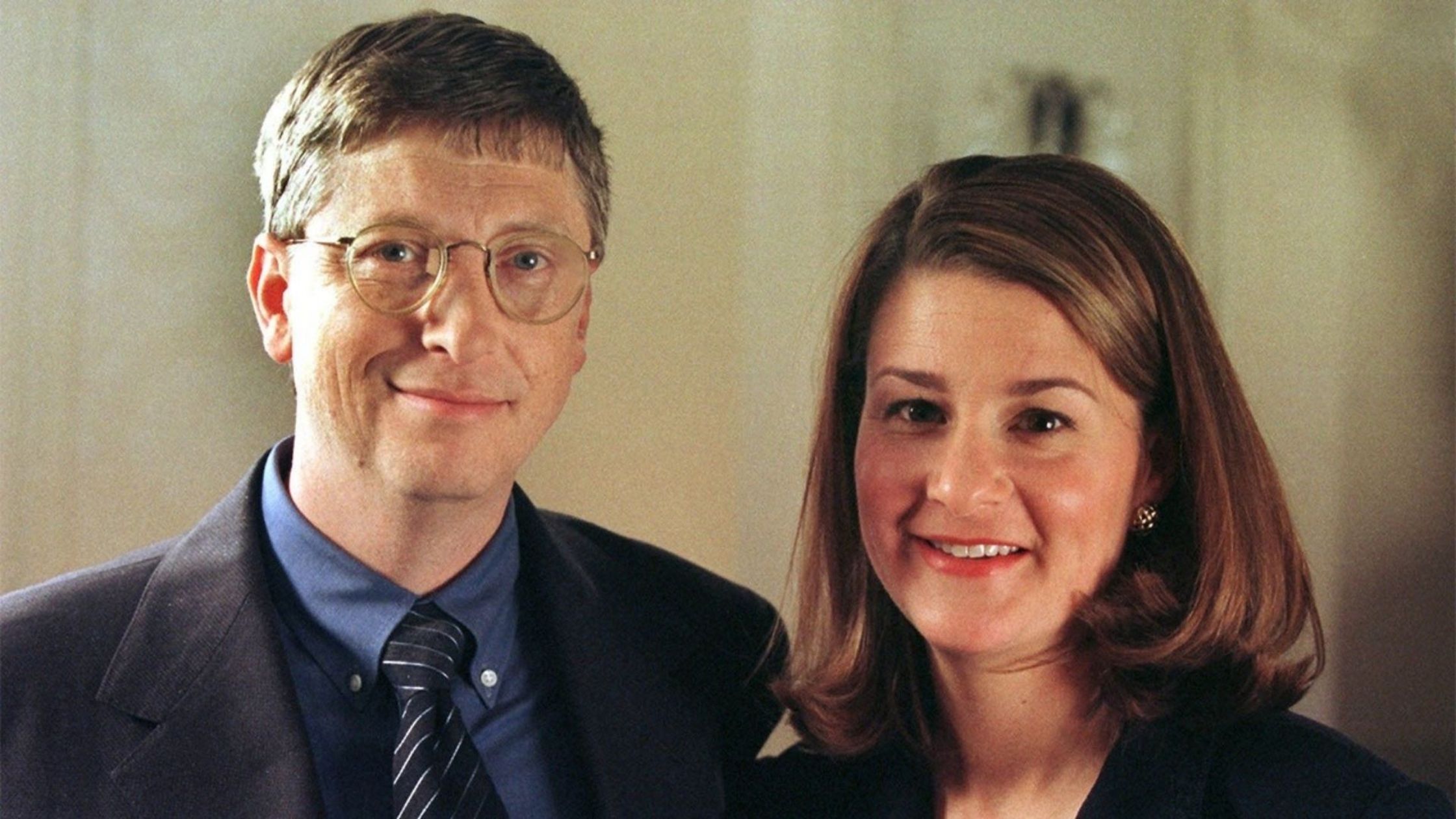
In 2021, Bill Gates and Melinda French Gates finalized their high-profile divorce, marking one of the most significant wealth redistributions in recent history. As part of the settlement, it is estimated that Bill Gates transferred approximately $12.5 billion in assets to Melinda. This substantial transfer immediately altered the landscape of personal fortunes in America, directly influencing the rankings of the 10 wealthiest people in the world.
Melinda French Gates’ net worth has since surpassed $29 billion, placing her among the most financially influential individuals globally. The settlement not only shifted personal fortunes but also highlighted how divorce can dramatically reshape the distribution of wealth at the highest levels.
The broader implications extend beyond the Gates family. High-stakes divorce settlements like this one serve as reminders that personal relationships and legal agreements can have profound effects on the rankings and fortunes of the world’s elite. In the context of the 10 wealthiest people in the world, such events underscore the volatility and fluidity of wealth, especially when large-scale asset transfers are involved. This case also brings attention to the role of divorce in wealth redistribution, demonstrating how private decisions can have public and economic consequences.
Philanthropy as a Driving Force
Bill Gates’ position among the 10 wealthiest people in the world has shifted dramatically, largely due to his deep commitment to philanthropy. By 2024, Gates had donated over $60 billion to the Bill & Melinda Gates Foundation, a figure that stands out even among the world’s largest charitable contributions. This giving is not a one-time gesture; Gates has publicly pledged to give away the majority of his fortune over his lifetime, fundamentally altering the trajectory of his personal wealth.
The Foundation itself has ambitious plans for the future. It announced intentions to spend an additional $200 billion by 2045, focusing on long-term, high-impact initiatives. Such a scale of giving is rare, and it directly impacts Gates’ net worth calculations. Unlike other billionaires who retain or grow their fortunes, Gates’ wealth is continuously redirected toward philanthropic causes, which in turn reshapes the rankings of the world’s richest individuals.
Philanthropy on this scale does more than reduce a billionaire’s net worth, it changes the narrative around wealth and influence. As Gates channels resources into the Foundation, his standing among the 10 wealthiest people in the world drops, but his impact on society grows. This ongoing redistribution of wealth highlights how charitable commitments can redefine what it means to be influential and successful in the modern era.
Curious why she’s everywhere lately? Read about the everlasting rise of Sydney Sweeney.
The Gates Foundation’s Global Influence
The Bill & Melinda Gates Foundation has become a central force in addressing global challenges, with a focus on health, education, and poverty alleviation. Its initiatives range from combating infectious diseases to improving educational access and supporting agricultural development in low-income countries. The Foundation’s long-term funding model ensures that its work is sustainable, with resources allocated for decades to come.
This sustained commitment has helped shape Gates’ legacy beyond his financial status. The Foundation’s influence extends to shaping public policy, supporting scientific research, and driving innovation in sectors often overlooked by traditional investors. As a result, Gates is recognized not just for his past business achievements, but for the enduring societal impact of his philanthropy—a legacy that transcends rankings on any rich list.
Shifting Dynamics Among the Ultra-Rich
The landscape of the world’s wealthiest individuals has changed rapidly, especially in the last decade. Tech leaders like Elon Musk, Jeff Bezos, and Steve Ballmer have surged ahead, propelled by industries that are redefining the global economy. Musk’s leadership in electric vehicles and space exploration, Bezos’s dominance in e-commerce and cloud computing, and Ballmer’s strategic investments in enterprise software have all contributed to their remarkable ascent.
Artificial intelligence, electric vehicles, and cloud computing are now the primary engines of wealth creation. AI is fueling new business models and automating industries, while electric vehicles are reshaping transportation and energy sectors. Cloud computing, meanwhile, underpins nearly every digital service, enabling scalable growth for both startups and established firms. These sectors have not only generated immense profits but have also attracted massive investor interest, rapidly increasing the net worth of those at the helm.
In contrast, Bill Gates has maintained a lower profile in these new tech booms. While his early innovations at Microsoft laid the groundwork for much of today’s digital infrastructure, Gates has not been as directly involved in the explosive growth areas of AI, electric vehicles, or cloud computing in recent years. His focus has shifted, and this relative absence from the latest waves of technological disruption has influenced his standing among the 10 wealthiest people in the world.
Comparing Gates’ Strategy to Peers
Gates has distinguished himself by prioritizing philanthropy over aggressive business expansion. Through the Bill & Melinda Gates Foundation, he has directed a significant portion of his wealth toward global health, education, and poverty alleviation. This approach stands in contrast to peers who continue to reinvest heavily in their companies or pursue bold new ventures. Musk, Bezos, and Ballmer have all expanded their fortunes by doubling down on innovation, acquiring new businesses, and capitalizing on emerging technologies.
This difference in strategy has clear implications for how billionaires maintain or lose their rank. Those who aggressively pursue new opportunities and reinvest in high-growth sectors tend to climb higher on the wealth charts. Meanwhile, those who shift their focus to philanthropy or step back from direct business involvement may see their relative positions decline, even if their overall impact on society grows.
Public Perception and Legacy
Bill Gates’ journey from the top of the 10 wealthiest people in the world to a leading global philanthropist has shaped how the public views both his fortune and his influence. For many, Gates stands as a symbol of responsible wealth redistribution. His decision to channel vast sums from his Microsoft fortune into the Bill & Melinda Gates Foundation has set a new standard for billionaire philanthropy, especially in areas like global health, education, and poverty alleviation.
Yet, Gates’ philanthropic model has drawn both praise and criticism. Supporters highlight his commitment to tackling large-scale problems that governments and markets often overlook. They point to measurable progress in eradicating diseases and improving educational outcomes as evidence that private wealth, when directed thoughtfully, can have a transformative impact.
However, critics argue that such concentrated giving can undermine democratic processes and accountability. Some question whether a single individual or a small group of the 10 wealthiest people in the world should wield so much influence over global priorities. Concerns also persist about the transparency and long-term effectiveness of foundation-led initiatives.
The narrative surrounding Gates has shifted significantly over the years. Once defined by his status as the richest man in the world, he is now more often recognized as a global humanitarian. This evolution reflects broader societal debates about the responsibilities of extreme wealth, and whether legacy should be measured by accumulation or by the scale of positive impact left behind.
Want to see who made the cut? Take a look at the World’s celebrity billionaires 2025 you need to know.
The Future of Gates’ Wealth
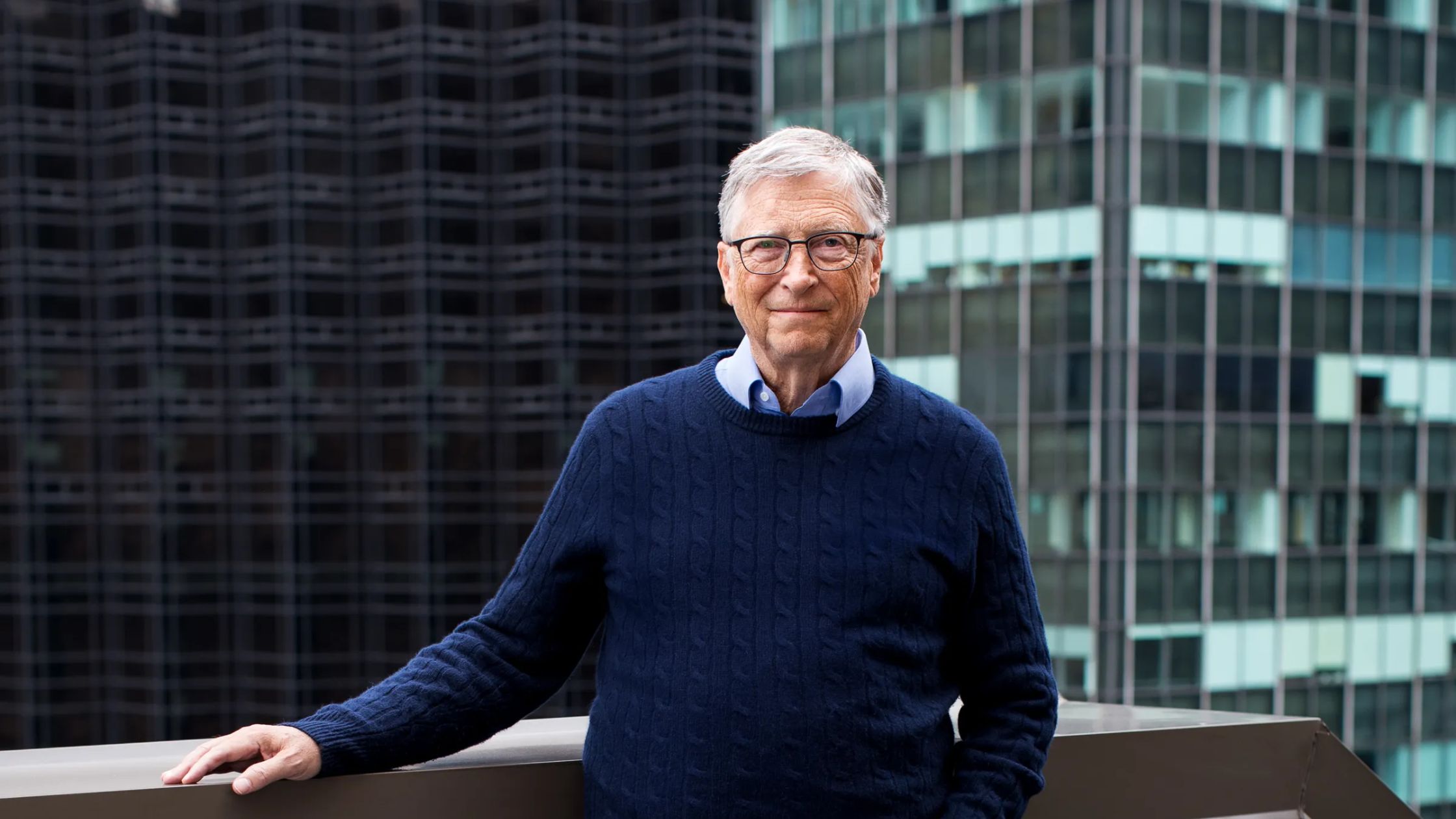
Bill Gates’ approach to wealth management is increasingly defined by philanthropy and a commitment to social impact. As he continues to transfer substantial portions of his fortune to charitable causes, it is likely that his ranking among the 10 wealthiest people in the world will continue to drop. Gates has made it clear that his personal fortune is not intended to be preserved for generational legacy, but rather to address urgent global challenges.
One of the most significant factors shaping the future of Gates’ wealth is the planned closure of the Bill & Melinda Gates Foundation by 2045. This timeline signals a definitive end point for the foundation’s work and underscores Gates’ intention to deploy his resources within his lifetime and shortly thereafter. The foundation’s strategy involves accelerating its giving, with the goal of making a lasting impact on public health, education, and poverty alleviation before winding down operations.
Gates’ long-term vision is rooted in the belief that wealth should serve as a tool for positive change. He has repeatedly stated that he does not intend to leave the bulk of his fortune to his children, emphasizing instead the responsibility of the ultra-wealthy to address systemic issues. This philosophy aligns with broader trends among some of the world’s most affluent individuals, who are increasingly using their resources to drive innovation and tackle societal problems rather than simply accumulating or preserving wealth for future generations.
In the coming decades, Gates’ ongoing philanthropic commitments and the foundation’s sunset plan are expected to further reduce his net worth. However, these choices reflect a deliberate strategy: to maximize the impact of his wealth rather than maintain a position among the 10 wealthiest people in the world.
What Gates’ Decline Reveals About Billionaire Wealth?
Bill Gates’ exit from the list of the 10 wealthiest people in the world is a reminder that billionaire status is not fixed. Wealth at this level is highly dynamic, shaped not only by market forces and business decisions but also by personal choices. Gates’ decision to prioritize philanthropy shifting significant portions of his fortune to the Bill & Melinda Gates Foundation demonstrates how intentional giving can dramatically alter one’s financial standing.
This shift highlights a broader tension between accumulating wealth and distributing it for societal impact. While many billionaires focus on growing their fortunes through investments and business ventures, Gates has consistently chosen to channel his resources toward global health, education, and poverty alleviation. The result is a visible reduction in his net worth, but a substantial increase in his philanthropic legacy.
Future billionaires may take note of Gates’ example. His approach suggests that the path to influence and legacy does not always align with remaining among the world’s richest. Instead, some may prioritize leveraging their wealth for large-scale social change, even if it means stepping down from the rankings. This evolving perspective could reshape how the next generation of ultra-wealthy individuals balance personal gain with public good.
Quick Takeaways
- Bill Gates’ net worth has dropped by about 30% over the past few years, moving him out of the top 10 wealthiest people in the world.
- The financial impact of his divorce settlement and his substantial philanthropic commitments have played major roles in reducing his overall fortune.
- Gates currently ranks 12th, now trailing behind peers such as Steve Ballmer.
- More than $60 billion has been donated to the Gates Foundation, reflecting a significant shift of personal wealth toward charitable causes.
- The Gates Foundation has set an ambitious goal, planning to spend an additional $200 billion by 2045.
- Gates’ drop in rankings underscores how large-scale philanthropy can reshape the list of America’s wealthiest individuals.
- His legacy is now defined less by personal wealth and more by his global impact and commitment to giving.
Discover more inspiring stories and expert insights at Grey Journal.
Frequently Asked Questions (FAQs)
1. Why is Bill Gates no longer in the top 10 wealthiest people in the world?
Bill Gates dropped out of the 10 wealthiest people in the world due to the financial impact of his divorce settlement and his extensive philanthropic giving. Both factors have significantly reduced his personal fortune.
2. How much has Bill Gates donated to charity?
Bill Gates has contributed over $60 billion to the Gates Foundation, making him one of the most generous philanthropists globally.
3. What is Bill Gates’ current net worth?
As of 2025, his net worth is estimated at around $124 billion.
4. Who has surpassed Bill Gates in wealth rankings?
Steve Ballmer, Elon Musk, and Jeff Bezos are among those who have overtaken Gates in the global wealth rankings.
5. Will Bill Gates lose more wealth in the future?
Yes. Gates has committed to giving away most of his fortune, so his net worth is expected to continue declining as he fulfills this pledge.
6. What is the Gates Foundation’s future plan?
The foundation aims to spend $200 billion and plans to wind down its operations by 2045.
7. Does Gates still hold Microsoft stock?
He retains some Microsoft shares, but has sold much of his original holdings over the years.
8. How does Gates’ approach differ from other billionaires?
While many billionaires focus on reinvesting in business ventures, Gates stands out for prioritizing large-scale philanthropy over personal wealth accumulation.