
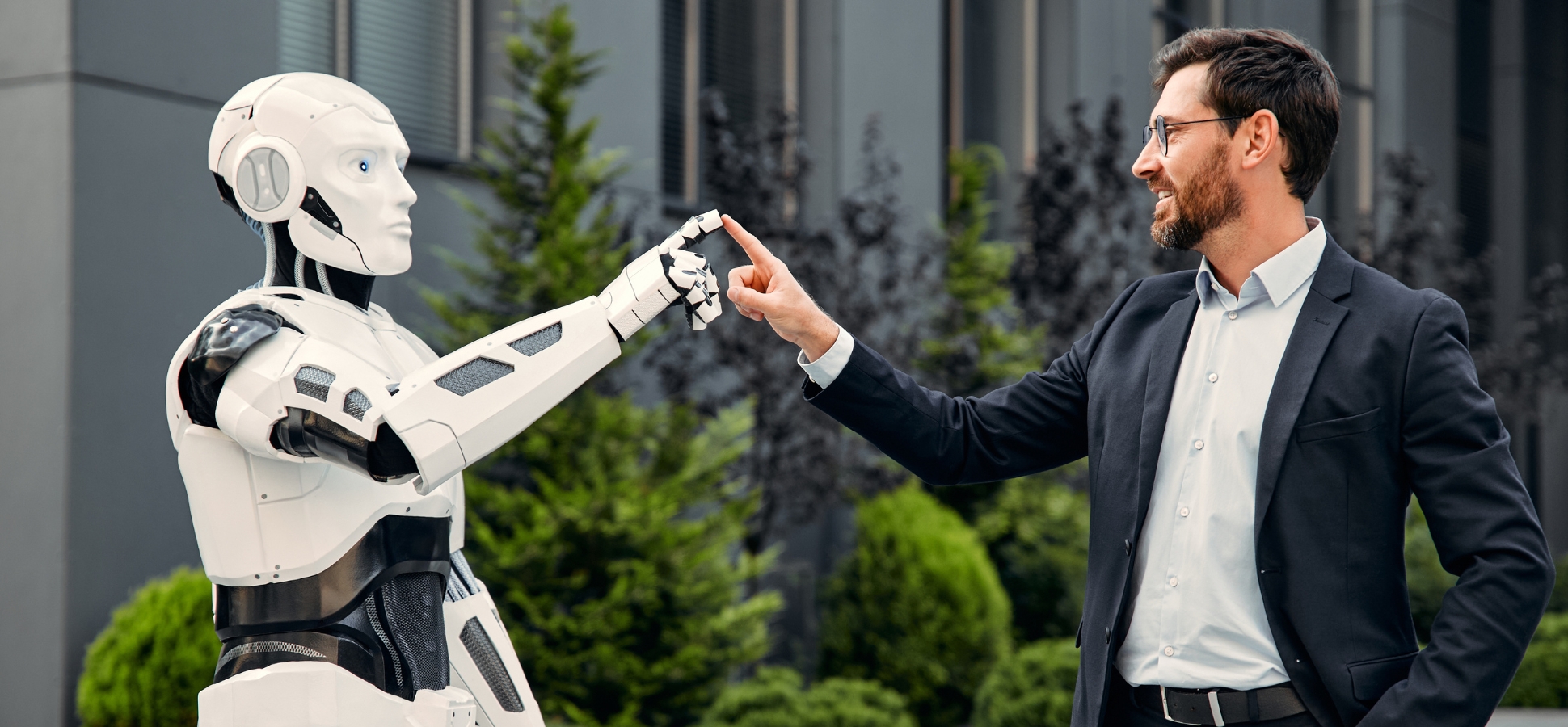
The advent of Artificial Intelligence has sparked a mix of anticipation and trepidation across various industries. The automation of activities, the streamlining of sectors, and the fundamental transformations in the operations of multiple businesses raise a significant question of this decade: What jobs will survive in the workplace of 2030?
Many people in various fields of study emphasize that AI will not replace jobs; instead, it will alter and transform the nature of employment. Although the automation of work will likely affect the routine and repetitive aspects of a job, professions that require creative work, emotional empathy, and ethical decision-making remain largely intact. It is therefore essential, particularly for prospective job seekers and the general public, to identify AI-proof careers to plan for the future and ensure adequate stability.
This article discusses the five jobs that will be AI-resistant in 2030, the significance of such professions, and the skills that will be in demand in a non-automated world. Moreover, we will discuss the limited potential for automation in these roles and outline strategies for success in the future workplace.
The Impact of AI on the Job Market
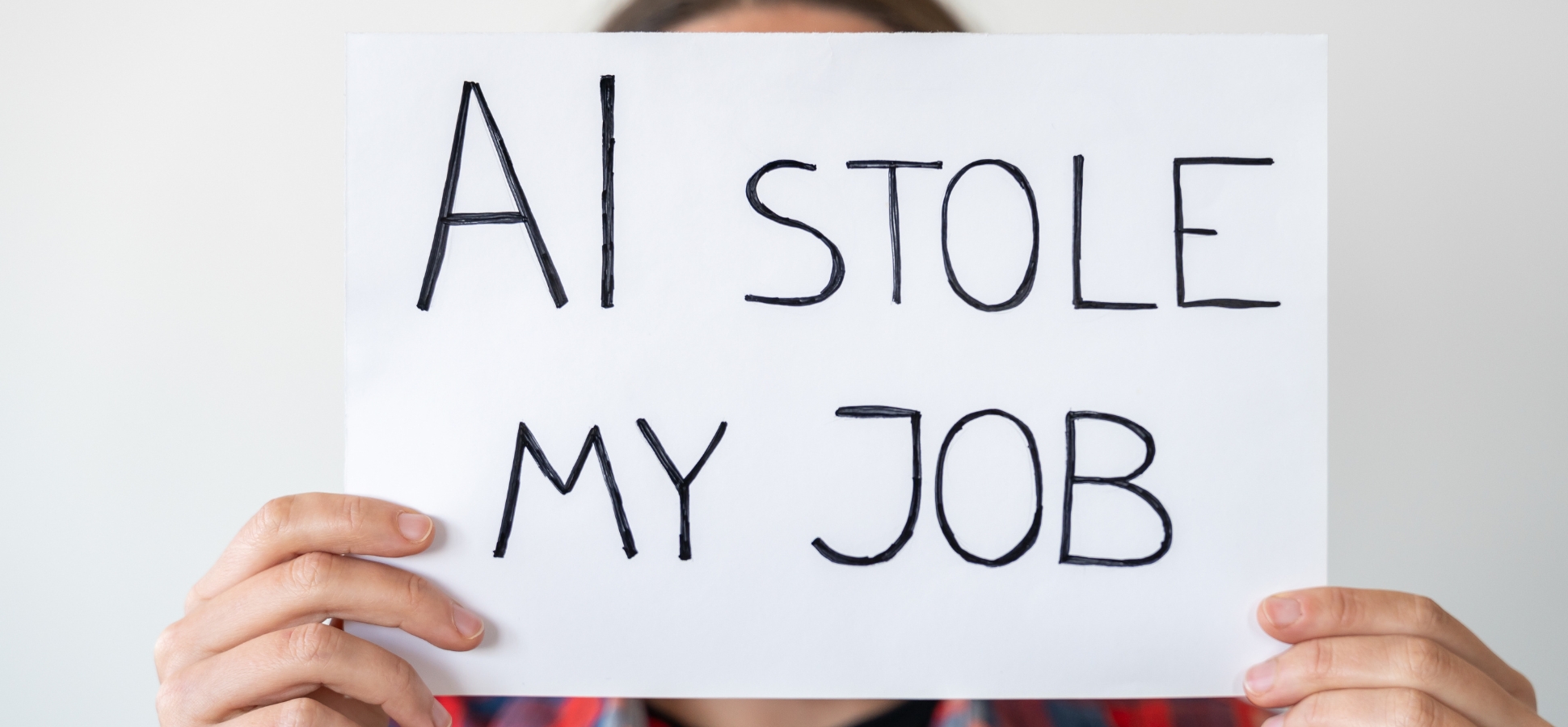
AI is reshaping every industry from healthcare and finance to retail and transportation. Although automation improves specific processes in terms of speed and efficiency, it also reduces attendance in more repetitive and rule-bound tasks.
AI-driven self-service and self-driving technologies are managing entire sectors of transportation. At the same time, customer service automation and algorithms assessing legal frameworks are just a few examples of the tasks that are displacing human workers. Research suggests that, in the next decade, AI technologies will displace millions of jobs.
The history of technology suggests that jobs are not entirely gone; they are simply reimagined and reallocated. The Industrial Revolution employed a large portion of the manual labor workforce, but it also generated altogether new sectors and jobs. AI will shift work, but it cannot completely eradicate human work.
Identifying jobs that algorithms cannot perform will be crucial for the future economy. Features exclusive to the human mind, like empathy, moral reasoning, and critical thinking, will be the strong anchors of economic and social activities.
Trusted Personal Roles for the Very Wealthy

For the ultra-rich, trust and discretion often take precedence over efficiency. AI can manage finances, plan luxury travel, or oversee wellness, but billionaires and celebrities are unlikely to entrust their most personal details to a machine. Dr. Roman Yampolskiy included the example of Warren Buffett and noted, “He would not switch to AI; he would use his human accountant.” In this context, loyalty and human relationships contribute a weight no algorithm can replicate.
Why Trust Beats Technology
In elite circles, the reputation and reliability of a service provider are often valued more highly than their speed. A private accountant, trainer, or advisor isn’t just performing a task—they’re safeguarding secrets and reinforcing bonds of loyalty. For wealthy clients, this level of trust is priceless.
Enduring Human Roles
- Private accountants – long-term financial advisors trusted with sensitive wealth strategies.
- Personal trainers & life coaches – providers who blend accountability with human connection.
- Luxury travel concierges – curators of exclusive, bespoke experiences that AI can’t replicate.
- Private chefs – experts who add cultural nuance, artistry, and personalization to dining.
For the wealthy, human-provided services may even become a kind of status symbol—a deliberate rejection of automation. Relying on a trusted professional rather than AI signals exclusivity, authenticity, and luxury.
Human-Centric Creative and Artisanal Professions

If there’s one area where AI still struggles, it’s replicating true human creativity. Generative tools like ChatGPT, DALL·E, and music AI can remix data into new forms. Still, they lack what humans bring to the table: lived experience, cultural context, emotional nuance, and instinctive storytelling. That gap ensures creative professions with a strong human fingerprint will remain safe in 2030.
Why AI Struggles With Creativity
AI generates patterns based on training data. But creativity isn’t just pattern recognition—it’s about memory, culture, and meaning. A novelist drawing on childhood trauma, or a filmmaker capturing the pulse of a generation, brings authenticity no algorithm can imitate.
Enduring Human Roles
- Creative and artisanal careers will continue to attract audiences who value originality and expression:
- Artists & musicians – offering work infused with identity and emotion.
- Novelists & filmmakers – crafting stories with cultural depth and unique vision.
- Designers & artisans – producing hand-made or bespoke items that embody authenticity.
- Investigative journalists – applying ethics, judgment, and human trust to uncover the truth.
Nothing beats an original, whether it is a portrait painted by a particular artist, a hand-carved table, or a film made by a director with a unique vision. Authentic works possess a value that manufactured copies cannot compete with.
Compassion, Caregiving, and Emotional Support Roles

The ability to care and empathize is deeply embedded in humanity, and is something that AI has not learned to master. Some logistical tasks, such as medication delivery and mobility, can be performed competently by AI, but compassion, moral support, and emotional comfort are roles that machines cannot replicate. Due to this, support and caregiving professions are relatively safe from potential AI disruption.
Why AI lacks the emotional component
Even when AI technologies try to simulate empathy, they still lack crucial emotional elements and experiences that human relationships possess. During the most challenging moments, such as processing trauma, receiving bad news, or needing some encouragement, humans are suffocated and need the support of another person.
Important and enduring human roles
- Healthcare professionals – Lengthy and relentless support is often provided to patients and families during trying times.
- Mental health professionals – Counselors support individuals in repairing emotional damage in judgment-free atmospheres.
- Education & childcare – Empathy and compassion are vital as children are shaped and inspired.
- Spiritual care – Chaplains, priests, funeral directors, spiritual counselors, and other leaders provide people with meaning during vulnerable times.
Rituals, caregiving, and education lose much of their impact when performed by machines. People seek shared humanity, not just efficiency, in these experiences.
AI Ethics, Regulation, and Safety Oversight Roles

One of the more unexpected outcomes of the increasing sophistication of AI technology is the creation of new jobs focused on overseeing AI. Governance and regulation will be crucial as AI technologies evolve and become integrated into our everyday lives.
Why These Roles Are AI-Proof.
AI will be incapable of self-autonomous governance as the social and ethical interplay will be framed within the limits of different cultures and societies, as well as the laws ultimately in place.
Careers Evolving in This Space.
- AI safety specialists – assuring the systems will function dependably and safely.
- Regulators and policy makers – designing laws and structures that will harmonize protection and innovation.
- Compliance officers – overseeing responsible AI use and legal compliance.
- AI product auditors & ethicists – assessing algorithms in terms of bias, transparency, and fairness.
In the words of Dr. Roman Yampolskiy and other AI specialists, AI will implode on itself, and the oversight of AI will be essential. It is the documentation of these individuals that will inspire confidence in the use of these technologies.
Human-AI Collaboration and Interface Specialists

As AI technology advances, one reality becomes apparent: guides and explanations are still necessary. In human-machine collaboration, these roles focus on bridging the gap between the capabilities of AI and the actual needs of people. Such positions are critical to ensuring AI is human-friendly and practical.
Why These Roles Are AI-Proof
The most advanced AI still requires human oversight to define purposes, provide frameworks, and contextualize the outputs. AI systems can produce information, but only people can interpret and modify it to achieve a practical, objective alignment. These roles leverage human skills, and thus, they are irreplaceable.
Careers Emerging in This Space
- AI adoption specialists – integrating AI into organizational workflows
- UX/product designers – engineering AI systems that are easy to navigate for the average user.
- Trainers and educators – training employees or clients on effective AI use.
- AI Support Technicians – In smart homes, workplaces, or healthcare systems with AI.
AI provides the most significant benefit when it is actively used. Human collaboration is critical to ensuring that people do not misuse or misunderstand AI. Interface specialists encourage and empower people to use AI and achieve their objectives without deep technical skills.
Future-proofing your career with AI-resistant skills
Although few job categories will remain unharmed by AI by 2030, nearly all will adapt to include the use of AI as a standard tool for performing functions within various roles. The most effective and productive means of capitalizing on the changes the AI revolution brings is to acquire the skills that work alongside and complement the functions of AI systems. The so-called “AI-resistant” skills will focus on aspects of jobs that are most human and least machine-driven.
The World Economic Forum highlights flexible and continuous learning as the top defense against the changes to working functions expected in 2030. It estimates that 40% of a job’s core skills will change. Constant learning and adjusting will become a requirement sustained for long periods and for all human-related and most technical areas outside of the working functions. Regardless of occupation, business, health, or the arts, the only way to remain relevant is to embrace learning as an ongoing part of the job.
AI will make emotional and empathetic human interactions more valuable than they are today. No matter how sophisticated the AI, human collaboration and caregiving roles will always embrace trust and human emotional connection. Strengthening emotional and empathetic abilities will ensure that the working human collaborator and caregiver remain irreplaceable.
Another key component is technical literacy. You don’t need to become a software engineer, but learning to use AI tools in practical ways, like prompt engineering for data analysis and workflow integration, will make any professional AI-literate.
Conclusion
By 2030, artificial intelligence will transform industries in ways we are only beginning to imagine. Many traditional roles may vanish, but not all work will disappear. The five categories of jobs most likely to endure—trusted personal roles for the wealthy, human-centric creative professions, caregiving and emotional support roles, AI ethics and oversight, and human-AI collaboration specialists—share one commonality: they depend on skills, values, and qualities that only humans can provide.
The future of work doesn’t have to be a story of obsolescence. Instead, it’s an invitation to lean into our most human traits—empathy, creativity, judgment, and adaptability. By cultivating these strengths and pairing them with technical fluency, you can not only survive but thrive in the AI-driven economy of 2030.
The message is clear: the future belongs to those who are ready to evolve.


