
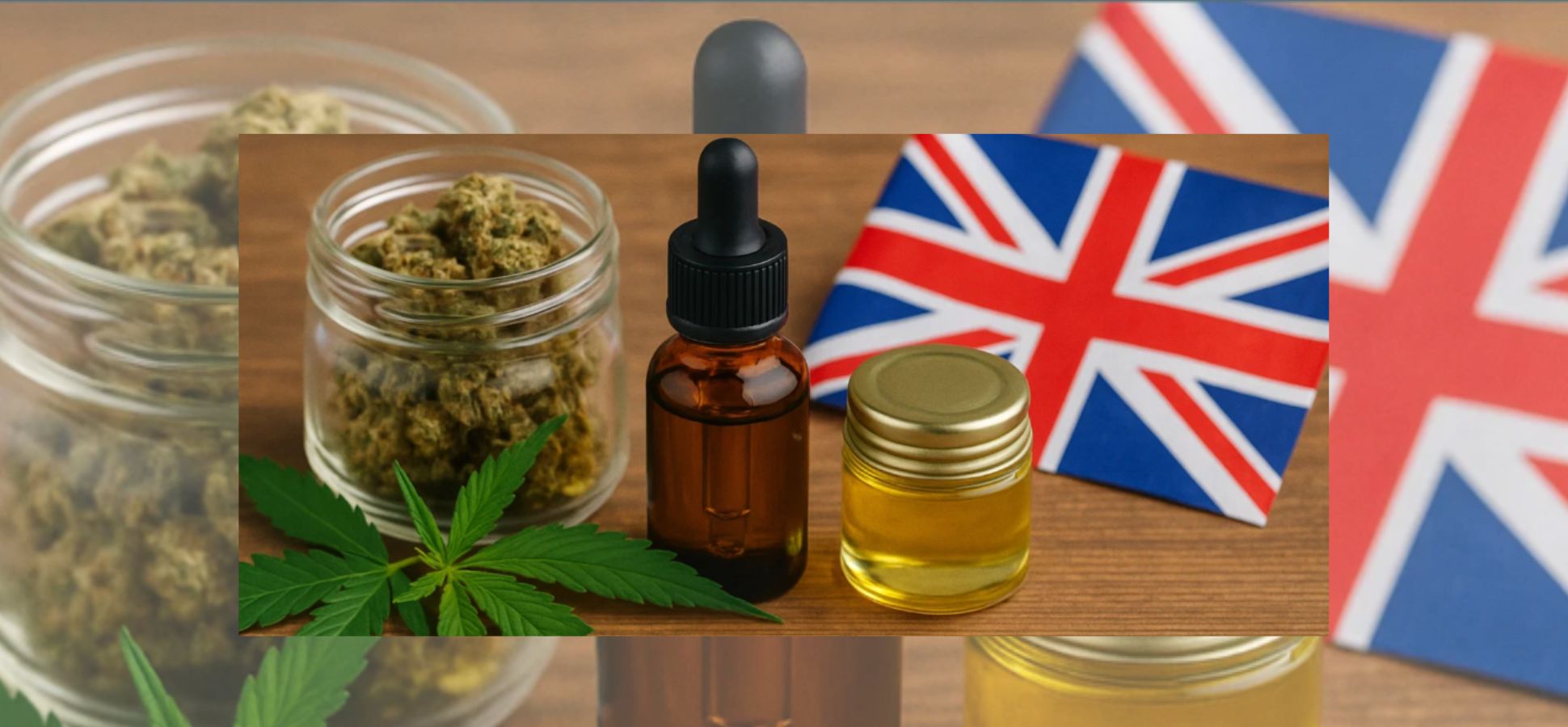
The UK CBD market is experiencing explosive growth that’s impossible to ignore. According to IMARC Group’s 2024 market analysis, the market reached $893.75 million in 2024 and is projected to hit $2.4 billion by 2033, exhibiting a remarkable 11.6% annual growth rate. For entrepreneurs, this represents one of the most compelling wellness market opportunities in Europe. But beneath the impressive numbers lies a complex regulatory landscape that separates successful ventures from those that struggle to survive.
The Market Opportunity: Beyond the Headlines
Industry forecasts from Releaf’s 2025 CBD statistics report suggest the UK CBD market will surpass £1 billion in 2025, securing the UK’s position as Europe’s second-largest CBD market after Germany. Research shows approximately 21% of British adults have tried CBD or medicinal cannabis, with roughly 11% using CBD products regularly and an estimated 1.3 million taking it daily. That makes CBD one of the most widely adopted wellness supplements in the country.
The demographics reveal dual opportunity: older adults over 55 form the market backbone, while the fastest growth comes from younger consumers. This creates multiple entry points for strategic brand positioning.
Product Diversity: Where the Money Is
CBD oil dominates with $319.93 million in revenue in 2024, according to market data, growing at 36.28% annually through 2032. But the real opportunity lies in diversification. Grand View Research reports the CBD skincare market is expected to grow at 22.3% CAGR from 2025 to 2030, with creams, moisturizers, and lotions leading the way.
Organic CBD products represent the largest segment at $480.59 million in 2024, growing at 36.49% annually. This consumer preference for organic, transparently sourced products creates both challenge and opportunity—brands demonstrating genuine quality command premium pricing. The flower segment offers unique positioning as the most natural form of CBD consumption, attracting consumers seeking minimal processing and maximum authenticity. Originals CBD appears as one of the leading brands in the CBD flower market in the UK for the last few years.
The Regulatory Reality: Navigating Novel Foods
The UK’s approach to CBD regulation is among the strictest in the world, creating a protective moat for compliant businesses. The Food Standards Agency launched a public consultation in August 2025, marking a watershed moment—the first authorized CBD products are expected by Spring/Summer 2025. Despite announcing the novel foods process in February 2020, as of November 2025 no CBD product has received full authorization.
Key regulatory requirements:
Novel Food Authorization: From February 2020, no new CBD products can be marketed until authorized. As of November 2024, approximately 12,115 CBD products were linked to credible applications, with around 5,000 advancing into risk management review by mid-2025.
Acceptable Daily Intake: The FSA reduced the ADI from 70mg to 10mg per day for healthy adults. According to FSA guidance published in July 2025, all approved applications must adhere to this limit, with the safe upper limit for THC set at 0.07 mg per day.
THC Content: Current regulations permit no more than 1mg of THC per product container. Home Office guidance confirms any extractable THC level renders products controlled substances under the Misuse of Drugs Act.
The Compliance Opportunity
The FSA has deleted 102 companies and their products from the public list, forcing market removal. This aggressive enforcement creates opportunity for well-capitalized, compliance-focused entrepreneurs. The barriers are significant: comprehensive toxicity testing, third-party lab testing for every batch, organic certification, Good Manufacturing Practices, and legal expertise.
For entrepreneurs entering now, the calculus is clear: invest heavily in compliance infrastructure from day one, or don’t enter at all. Regulatory compliance isn’t just about avoiding penalties—it’s a competitive advantage building consumer trust in a maturing market.
Financial Realities and Competition
The market has attracted significant capital. CBD marketplace Alphagreen raised £2.5 million—double its target—from 694 investors, while Scottish CBD business Voyager secured £972,124 from 300 investors, five times its £175,000 target.
Statista’s 2023 brand awareness data shows Vitabiotics CBD led with 21.61% aided brand awareness, followed by Cannaray at 6.09% and Vitality CBD at 5.33%. The significant gap suggests market fragmentation with room for strong execution.
Major retailers provide distribution opportunities for compliant brands. Industry reports confirm Cannaray CBD stocks in over 1,500 outlets including Tesco, Superdrug, ASDA, Waitrose and Harrods. Holland & Barrett offers 70+ CBD products across 715 locations. However, retailers increasingly demand FSA public list inclusion and full compliance, creating a two-tier market.
Emerging Opportunities
CBD Beverages: Skip launched what it claims as the UK’s first CBD-compliant drink in August 2024, containing 5mg cold-pressed active CBD per 250ml. The functional beverage category represents significant white space.
Minor Cannabinoids: The market may expand with focus on CBG, CBN, and CBC in 2025. These compounds offer differentiation before market saturation.
Sustainable Sourcing: Consumer demand for organic, ethically sourced products continues growing. Companies prioritizing sustainable cultivation and transparent supply chains capture premium segments, particularly in the flower category with minimal processing and maximum traceability.
Strategic Imperatives
1. Compliance First: Build your business model around regulatory compliance. Budget significantly for legal and regulatory affairs from day one.
2. Quality as Differentiator: In a market moving toward full regulation, quality becomes primary differentiation. Invest in organic certification, rigorous testing, and transparent supply chains.
3. Patient Capital: The UK CBD market requires understanding that timeline from launch to profitability extends beyond typical consumer goods due to regulatory hurdles.
4. Retail Relationships: Build relationships with major retailers early, understanding their stringent compliance requirements. FSA compliance isn’t optional for serious distribution.
5. Consumer Education: Budget for ongoing education. Successful brands educate consumers about CBD’s benefits, proper usage, and safety. The FSA has highlighted CBD isn’t suitable for everyone, with vulnerable groups including children, pregnant and breastfeeding individuals, those trying to conceive, people on regular medication, and anyone with weakened immune systems advised to avoid CBD.
6. Vertical Integration: Consider controlling the supply chain to ensure quality, manage costs, and respond to regulatory requirements. Premium flower cultivation exemplifies this approach, controlling quality from soil to sale.
The Bottom Line
The UK CBD market represents genuine entrepreneurial opportunity, but it’s not an easy gold rush. Success requires substantial capital, deep regulatory expertise, commitment to quality, and patience navigating authorization.
With the FSA potentially authorizing first products by Spring/Summer 2025, the market sits at an inflection point. Companies invested in compliance and quality will capitalize on increased consumer confidence. Those that haven’t face increasingly hostile regulatory environments.
The winners won’t be the fastest movers or cheapest producers. They’ll be businesses treating CBD as pharmaceutical-grade wellness products, investing accordingly in quality and compliance, and building brands earning consumer trust in an increasingly skeptical market.
That’s a high bar. But for entrepreneurs who can clear it, the UK CBD market offers substantial returns in a growth category just beginning to mature.


