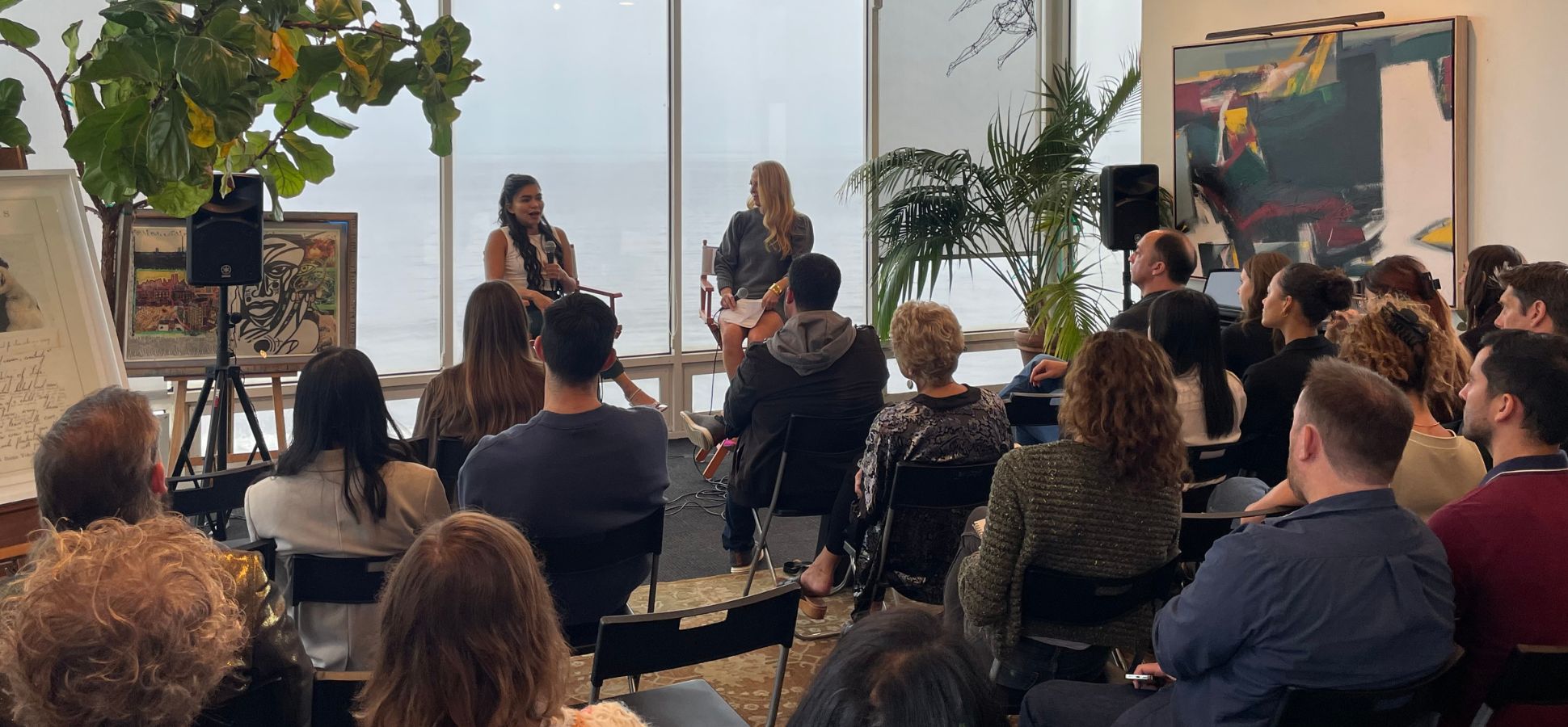
In an inspiring event during LA Tech Week by a16z, “AI for Social Good,” the Goldhirsh Foundation with their LA2050 initiative hosted a pivotal discussion on how artificial intelligence (AI) can transform the nonprofit sector in Los Angeles. Held at the scenic Creative Visions Foundation, this event brought together thought leaders in AI, technology, and social impact, including Tara Roth, President of the Goldhirsh Foundation, and Jen García, AI Executive in Residence for the foundation. Their conversation explored the present and future possibilities of AI in supporting social good, highlighting how the tech community can bridge digital divides and empower nonprofits.
Helping Nonprofits Embrace AI for Greater Impact
As AI continues to develop, many industries are adapting to its transformative capabilities, and the nonprofit sector is no exception. With the pressing challenges faced by nonprofits—limited budgets, a need for operational efficiency, and a growing digital divide—the role of AI in helping these organizations streamline their work and increase their impact is becoming more crucial than ever. Tara Roth opened the event by noting the importance of responsible AI usage, particularly in smaller nonprofit organizations that may struggle with digital adoption.
Making AI Accessible to Nonprofits
A key part of this work involves helping nonprofits understand that AI is not just for large organizations with massive budgets. Many nonprofit leaders are already using AI tools like ChatGPT without realizing it. These technologies can help nonprofits work more efficiently, allowing them to focus more on their mission and less on administrative tasks. In February 2024, the Goldhirsh Foundation hosted an AI training event for 60 nonprofit organizations, showing leaders how accessible AI can be and how it can positively impact their work.
Real-World Applications: AI Empowering Nonprofits
Jen García reinforced this message by sharing her own experience as a nonprofit founder and educator. One example she provided was Rainbow Labs, an LA-based nonprofit serving LGBTQIA+ youth. Using AI, Rainbow Labs developed a customized GPT to assist instructors in adapting lesson plans on the fly. This resulted in more effective teaching and better student support, demonstrating how AI can enhance efficiency and responsiveness.
AI Tools Simplifying Nonprofit Tasks
García has seen how simple AI tools like ChatGPT and Claude can help nonprofits handle tasks like scheduling meetings and drafting emails, freeing up time for staff to focus on their core mission. AI is making these processes more efficient and allowing nonprofits to serve their communities better.
Addressing Concerns: Data Privacy and Security
With the rise of AI, concerns about data privacy and security are growing. García emphasized the importance of protecting sensitive information when working with vulnerable populations. In her workshops, she stresses the importance of anonymizing data and ensuring ethical AI usage.
The Future of AI in the Nonprofit Sector
Looking ahead, AI agents—autonomous systems that perform tasks independently—could handle many administrative functions, such as responding to donor inquiries or managing volunteer schedules. García believes AI agents will become more prevalent by 2025, further revolutionizing how nonprofits operate.
Innovative AI Projects: LA2050 Ideas Hub
The Goldhirsh Foundation is also working with UCLA on an AI project that will enhance nonprofit operations. The LA2050 Ideas Hub, a searchable database of over 4,000 nonprofit proposals, is being upgraded with AI capabilities, allowing users to interact with a chatbot to find nonprofits based on their interests. This project showcases how AI can connect people with causes they care about and democratize access to nonprofit information.
Bridging the Digital Divide with AI
As AI evolves, it offers an unprecedented opportunity to bridge the digital divide in Los Angeles, particularly in the nonprofit sector. With the right tools and training, nonprofits can harness AI to scale their impact and better serve their communities. Roth and García’s work through the Goldhirsh Foundation and LA2050 highlights the limitless potential of AI-driven social good, making nonprofits more efficient and effective in tackling LA’s challenges.