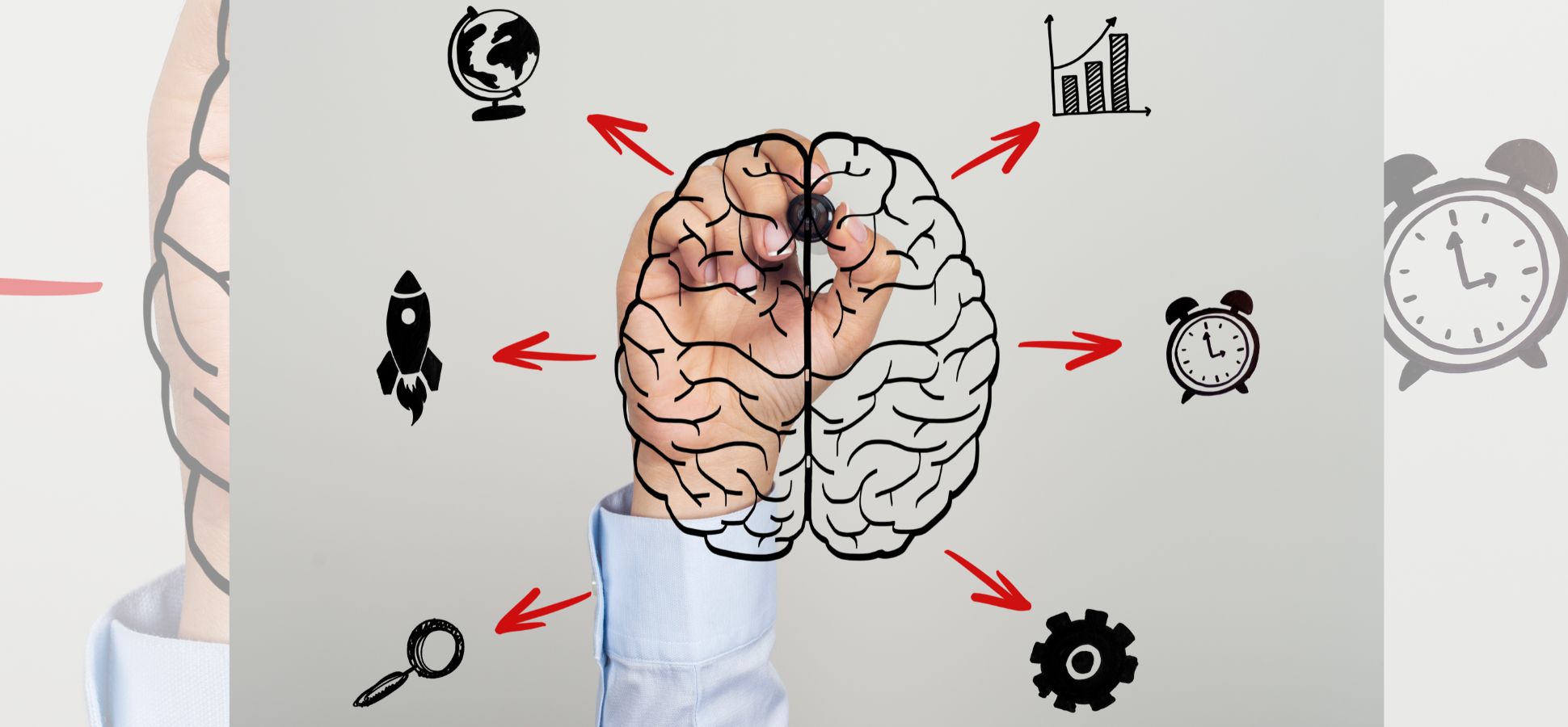
Success in business doesn’t just depend on hustle, funding, or luck! it depends on how you think. The way you approach problems, design strategies, and visualize opportunities can determine whether your startup grows or fails.
Great entrepreneurs master different levels of thinking that help them innovate, adapt, and lead with confidence. Here are six levels of thinking every entrepreneur must master, along with tips to apply each one in your journey.
1. Visionary Thinking: See What Others Don’t
Entrepreneurs who think like visionaries spot opportunities before the crowd. They imagine futures that don’t exist yet and inspire others to believe in them. Elon Musk saw a world of electric cars and space travel when few did.
Tip: Spend time every week reading about industry trends and future technologies. Train your mind to look beyond the present moment.
2. Strategic Thinking: Turn Vision Into Action
A vision is useless without a plan. Strategic thinking helps entrepreneurs break big dreams into achievable steps. It’s about building roadmaps, assessing risks, and staying focused on long-term goals.
Tip: Set quarterly goals and map them to daily or weekly tasks. Review progress consistently and adjust when needed.
3. Critical Thinking: Question Everything
Entrepreneurs face tough choices daily. Critical thinking means looking at problems objectively, challenging assumptions, and avoiding decisions based purely on emotions.
Tip: Before making a big decision, write down at least three possible alternatives and the pros and cons of each.
4. Creative Thinking: Innovate Beyond the Norm
Creativity sparks innovation. Whether it’s designing unique products, finding clever marketing angles, or solving customer pain points, creative thinking keeps your business different from competitors.
Tip: Use brainstorming techniques like “What if we did the opposite?” to unlock unconventional solutions.
5. Analytical Thinking: Let Data Guide You
Numbers reveal what your instincts can’t. Analytical thinking helps entrepreneurs make smarter decisions based on facts and measurable results. From customer insights to sales data, this thinking level helps you stay on track.
Tip: Track 3–5 core KPIs (key performance indicators) that truly define your business success…and review them weekly.
6. Growth Thinking: Scale Beyond Survival
True entrepreneurship is about scaling, not just surviving. Growth thinking means building systems, developing teams, and planning for the future. It’s about sustainable success rather than short-term wins.
Tip: Ask yourself regularly: “Can this process scale if I doubled my customers tomorrow?” If not, rework it.
Final Thoughts
Entrepreneurship isn’t just about what you do; it’s about how you think. By mastering visionary, strategic, critical, creative, analytical, and growth thinking, you’ll prepare yourself for the challenges and opportunities that shape the entrepreneurial journey.
Train your mind at each of these levels, and you’ll build not only a business but also a mindset that can weather any storm.