

January is a critical reset point for founders. While many professionals approach the new year with vague resolutions, successful entrepreneurs intentionally shape their habits, priorities, and systems in January. The business habits of successful founders formed in this month often determine how focused, profitable, and sustainable the rest of the year becomes.
Rather than chasing motivation, founders concentrate on repeatable actions that support growth. These January business habits aren’t flashy or extreme. They are practical routines designed to reduce chaos, protect energy, and improve decision-making. This is why habits successful founders prioritize tend to look simple but deliver long-term results.
Small, consistent behaviors, when started early, create momentum that compounds throughout the year. January isn’t about doing more; it’s about setting direction.
Strategic Planning Comes Before Execution

Before launching into new initiatives, successful founders pause to reflect and plan. Execution without clarity leads to wasted effort, and January provides the space to realign.
Reviewing Last Year’s Wins and Losses
Founders begin by reviewing the previous year with honesty. They assess what drove growth, what stalled progress, and what drained time or energy. This includes reviewing revenue streams, systems, team dynamics, and personal workload.
This reflection allows entrepreneurs to repeat what worked and eliminate what didn’t, one of the most valuable business habits for entrepreneurs entering a new year.
Setting Fewer, Higher-Impact Goals
Instead of long to-do lists, founders choose fewer goals with greater impact. Limiting focus reduces overwhelm and increases execution quality. Successful entrepreneurs often commit to one to three core objectives for Q1 rather than spreading attention across too many initiatives.
This disciplined approach is a defining habit of founders for success, especially in January when direction matters most.
Aligning Business Priorities With Personal Energy
January planning also accounts for energy, not just ambition. Founders consider their realistic capacity and structure goals accordingly. This alignment helps prevent early burnout and supports consistency through the year.
Founders Are Protecting Their Time More Aggressively
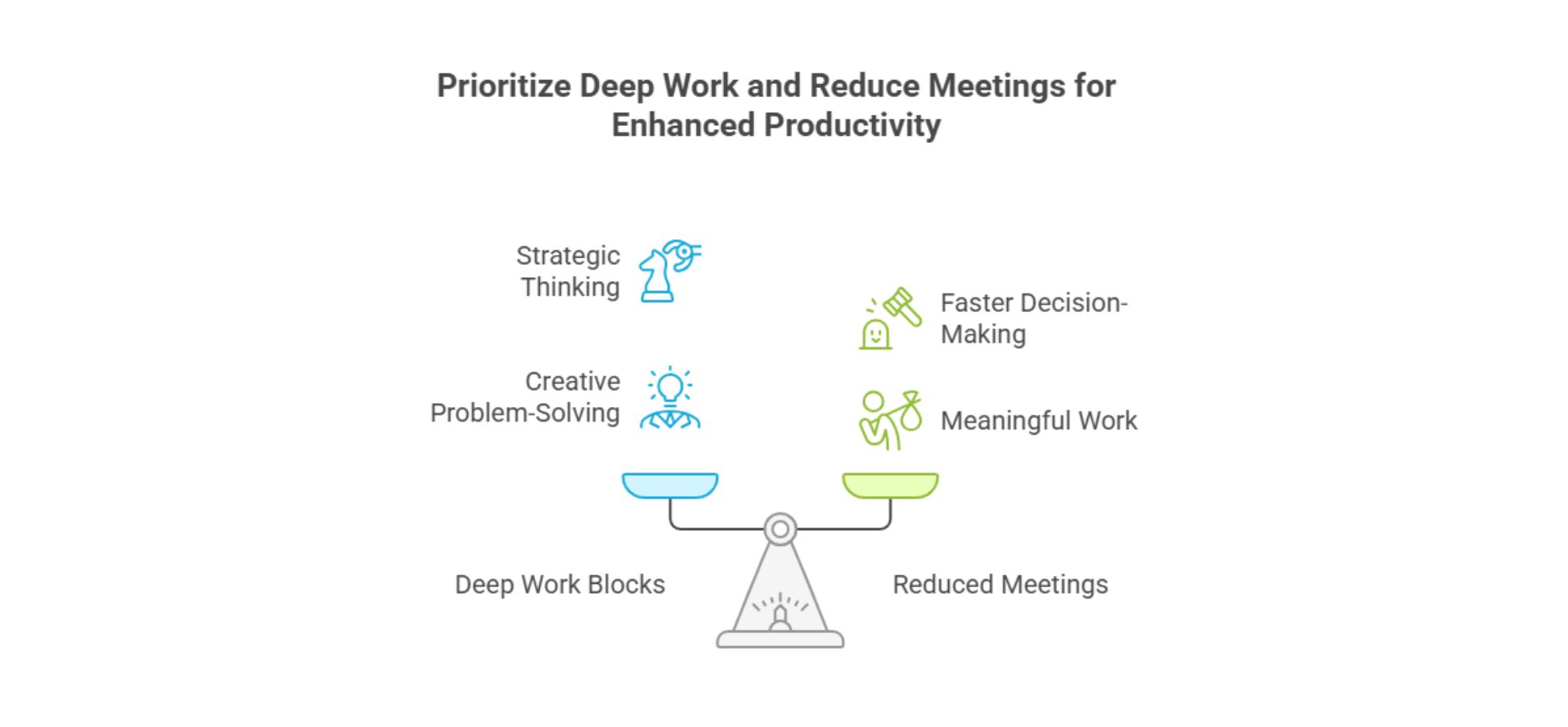
Time protection becomes a priority in January. Founders recognize that focus, not effort, is their most valuable resource.
Scheduling Deep Work Blocks
Successful founders schedule deep work blocks into their calendars before anything else. These distraction-free periods are reserved for strategic thinking, creative problem-solving, and high-impact tasks that move the business forward.
Reducing Low-Value Meetings
January is often when founders audit their calendars. Meetings without clear outcomes are reduced or removed entirely. This creates space for meaningful work and faster decision-making.
Saying No Earlier and More Often
Learning to say no is a leadership habit. Founders set boundaries early in the year to avoid overload later. Protecting time in January establishes expectations for the rest of the year and reinforces healthy working rhythms.
Health-First Habits Are Non-Negotiable

Successful founders treat health as a performance strategy, not a side goal. January is when many intentionally rebuild routines that support long-term energy.
Sleep, Nutrition, and Movement as Business Tools
Rather than extreme routines, founders focus on consistency: better sleep schedules, simple nutrition improvements, and regular movement. These habits improve focus, resilience, and emotional regulation.
Building Routines That Survive Busy Seasons
The most effective business habits of successful founders are flexible enough to survive high-pressure periods. January is used to establish health routines that can be maintained even when schedules become demanding.
Financial Clarity Becomes a Daily Habit

In January, successful founders stop treating finances as something to review “later.” Instead, they build small, repeatable money habits that help them gain control and confidence early in the year. Financial clarity is one of the most overlooked habits among successful founders, yet it has the most significant impact on decision-making.
Weekly Cash Flow and Budget Check-Ins
Rather than waiting for monthly reports, founders check cash flow weekly. These short check-ins help them understand where money is coming from, where it’s going, and how long current resources will last.
This habit allows entrepreneurs to make proactive adjustments instead of reactive cuts. It also reduces financial anxiety, which often clouds judgment and slows growth.
Setting Realistic Q1 Financial Targets
January is about setting achievable targets, not inflated numbers driven by pressure. Founders focus on realistic revenue, profit, and expense goals for the first quarter, understanding that strong foundations matter more than aggressive projections.
This approach reflects a core business habit for entrepreneurs: prioritizing sustainability over short-term spikes.
Using Data to Guide Early Decisions
Successful founders rely on data, not gut feelings alone. In January, they identify a few key metrics, such as customer acquisition cost, retention rate, or operating margin, and use them to guide decisions throughout Q1. Clear metrics remove emotional bias and keep execution grounded.
Systems Replace Motivation
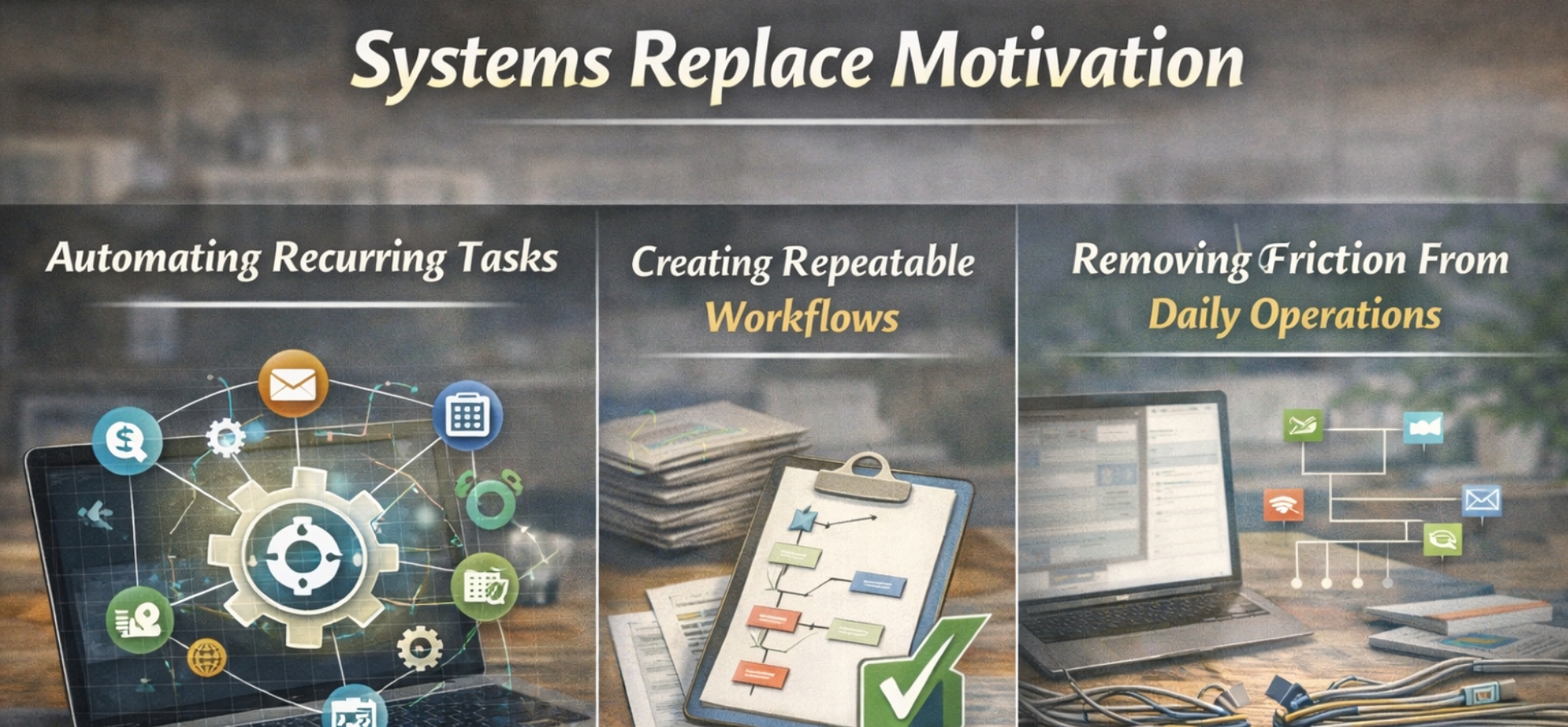
Motivation is unreliable, especially as the year gets busy. Founders know this, which is why January is often dedicated to building systems that carry the business forward automatically.
Automating Recurring Tasks
From invoicing and email follow-ups to scheduling and reporting, founders automate repetitive tasks wherever possible. This reduces cognitive load and frees up time for strategic work.
Automation is a defining habit of founders for success because it protects focus and reduces burnout.
Creating Repeatable Workflows
Instead of reinventing processes, founders document workflows. Clear systems for onboarding, content creation, sales, or customer support make execution smoother and more scalable.
January is the ideal time to refine these workflows before workload increases.
Removing Friction From Daily Operations
Successful founders actively look for friction, anything that slows execution or creates unnecessary stress. Whether it’s clunky tools, unclear roles, or inefficient communication, they eliminate obstacles early so the business can run more smoothly.
Learning and Skill-Building Are Scheduled
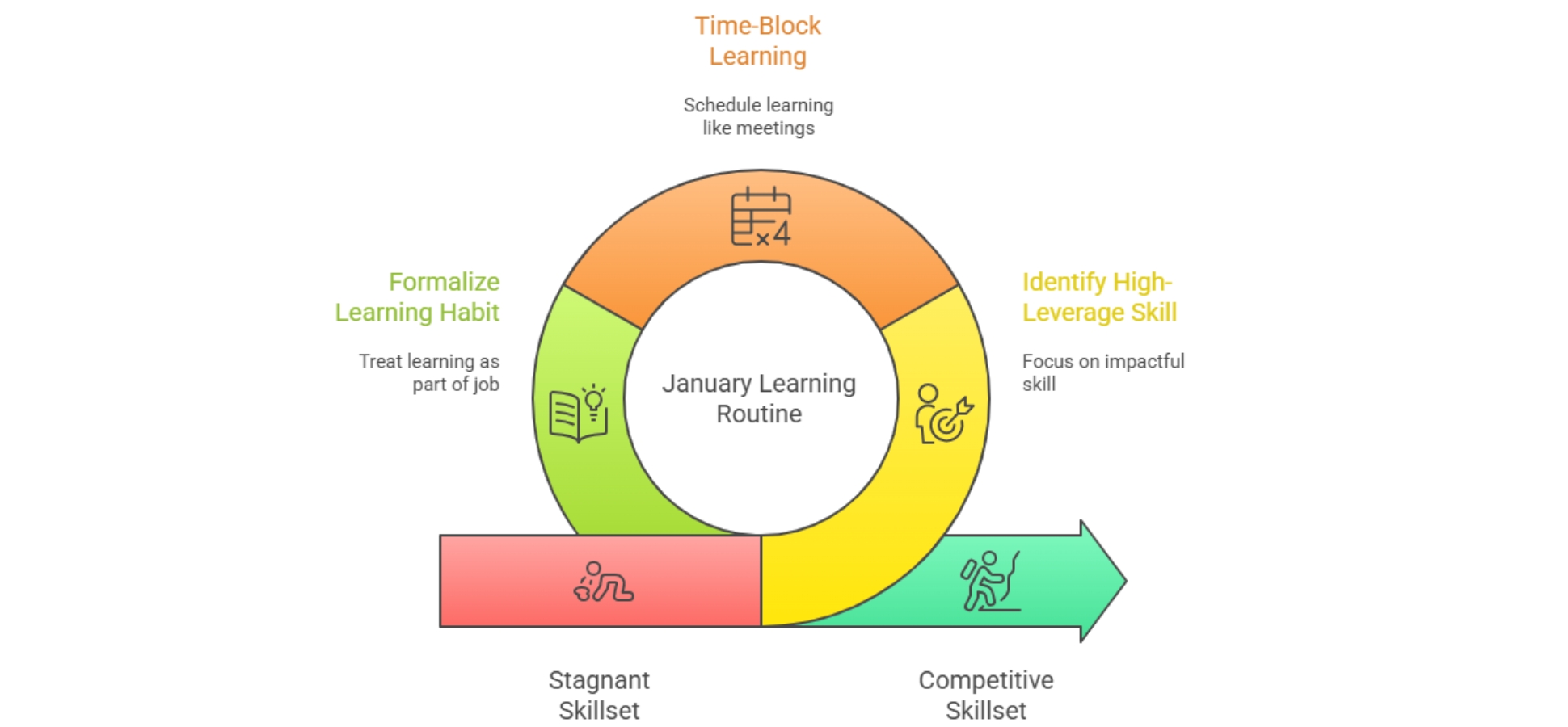
Founders who grow consistently treat learning as part of their job, not something they do “when there’s time.” January is when they formalize this habit.
Identifying One High-Leverage Skill for the Year
Rather than trying to learn everything, successful entrepreneurs choose one skill that will have the most significant impact: leadership, sales, marketing, AI tools, or financial literacy. This focused approach leads to real improvement instead of scattered progress.
Time-Blocking Learning Like a Meeting
Learning is scheduled on the calendar, just like a client call or strategy session. By time-blocking education, founders ensure it actually happens, even during busy weeks.
This is one of the most effective business habits for entrepreneurs who want to stay competitive without overwhelm.
Staying Competitive in a Fast-Changing Market
Markets evolve quickly, and founders who stop learning fall behind. January learning routines help entrepreneurs adapt faster, make better decisions, and lead with confidence throughout the year.
January Is About Direction, Not Perfection
January isn’t about doing everything at once. For successful founders, it’s a strategic reset—a chance to decide how the year should feel, not just what it should produce. The habits built in this month quietly shape every decision, system, and outcome that follows.
The most effective business habits of successful founders aren’t extreme or complicated. They’re intentional. Protecting time, prioritizing energy, reviewing finances early, and replacing motivation with systems. These habits reduce chaos, create clarity, and make growth sustainable rather than exhausting.
What sets high-performing entrepreneurs apart is consistency, not intensity. Instead of chasing perfect execution, they focus on repeatable actions that compound. A clear weekly review. Fewer, higher-impact goals. Boundaries that protect focus and health. Over time, these habits become the foundation of calm, confident leadership.
January is your opportunity to set direction, not to be pressured. Start small, choose habits you can maintain, and allow momentum to build naturally. When your routines support both performance and well-being, success stops feeling forced and starts feeling inevitable.


