
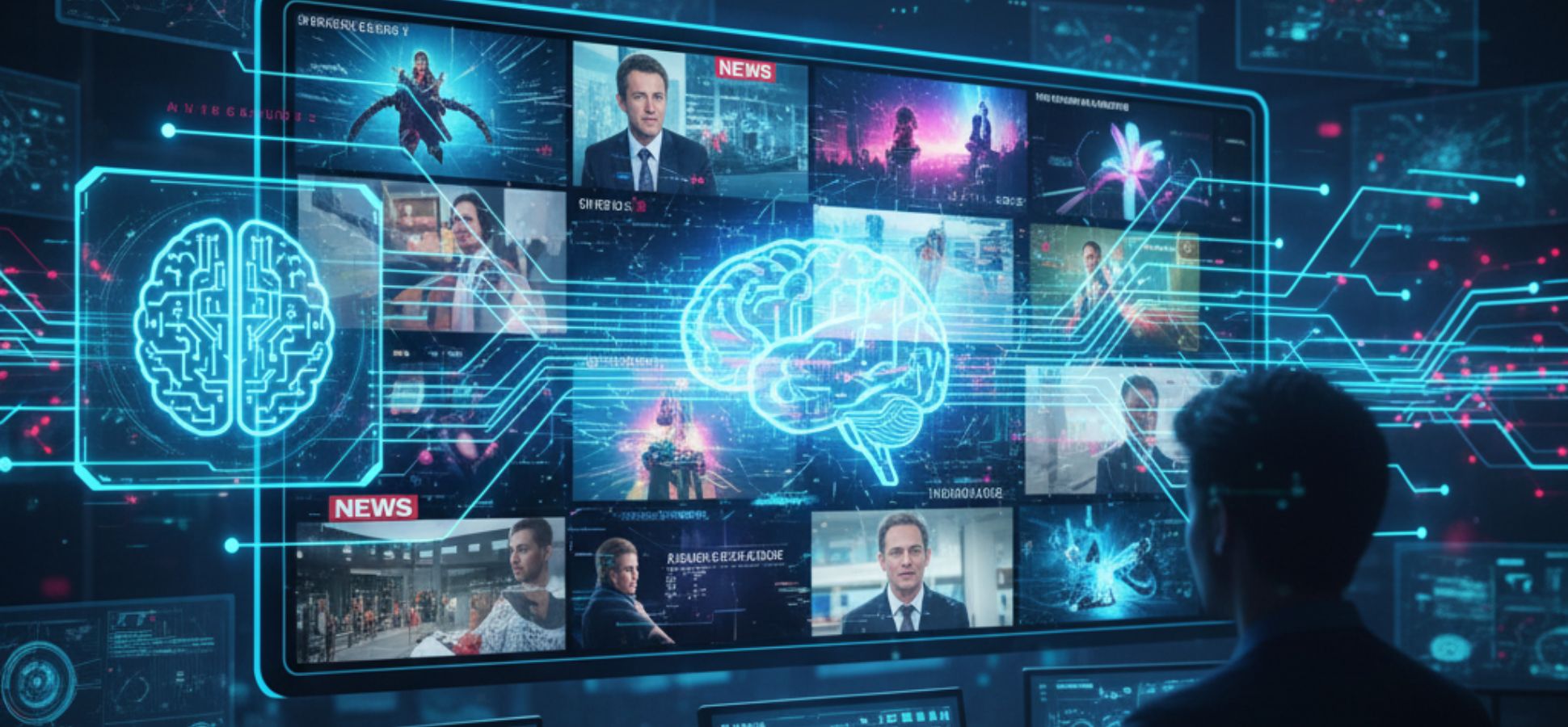
AI-generated videos are rapidly transforming the digital landscape, making it increasingly difficult for viewers to distinguish between authentic footage and sophisticated deepfakes. With the rise of tools like Sora, OpenAI’s advanced video generator, business owners and startup founders face new challenges in verifying the authenticity of content shared on social media and beyond.
The Proliferation of Deepfakes
From celebrity impersonations to fabricated disaster broadcasts, AI-generated videos have become ubiquitous. Sora, developed by OpenAI, stands out for its high-resolution visuals, synchronized audio, and creative capabilities. The platform’s “cameo” feature allows users to insert real people’s likenesses into virtually any scene, blurring the line between reality and fiction. While these advancements showcase the power of AI, they also introduce risks, including the spread of misinformation and potential harm to public figures and brands.
Spotting AI-Generated Content
- Look for Watermarks: Videos created with the Sora app typically feature a moving watermark—a white cloud icon—that appears along the edges. This watermark is designed to signal AI involvement, similar to TikTok’s watermarking approach. However, watermarks are not foolproof; static watermarks can be cropped out, and even moving ones can be removed with specialized apps. Using reliable AI video generators can help ensure authenticity and maintain watermark integrity while creating high-quality content.
- Check Metadata: Metadata provides valuable information about how and when a video was created. Sora videos include C2PA metadata, which can be verified using tools like the Content Authenticity Initiative’s verification tool. Uploading a video to this tool reveals if it was issued by OpenAI and confirms its AI-generated status. However, metadata can be stripped or altered, especially if the video passes through third-party applications.
- Watch for Platform Labels: Social media platforms such as Instagram, Facebook, TikTok, and YouTube have implemented labeling systems to flag AI-generated content. These labels help users identify manipulated media, though their accuracy is not guaranteed. The most reliable indicator remains creator disclosure, where users voluntarily label their content as AI-generated.
Why Authenticity Matters for Businesses
For entrepreneurs and business leaders, the proliferation of deepfakes poses reputational and operational risks. Misinformation can damage brand trust, mislead consumers, and create legal complications. As AI-generated content becomes more sophisticated, organizations must stay vigilant and educate their teams on best practices for content verification.
Best Practices for Verifying Video Authenticity
- Always scrutinize videos for visual anomalies such as distorted text, disappearing objects, or unnatural movements.
- Use verification tools to examine metadata and confirm content provenance.
- Encourage transparency by labeling AI-generated content and promoting responsible sharing.
- Regularly update internal policies to address emerging AI risks and educate employees on detection techniques.
Staying Ahead in an AI-Driven World
There is no single, foolproof method for identifying AI-generated videos. The best defense is a combination of vigilance, technical tools, and a healthy skepticism toward viral content. As AI continues to evolve, business leaders must adapt, prioritizing digital literacy and proactive risk management to safeguard their organizations in an era where seeing is no longer believing.


