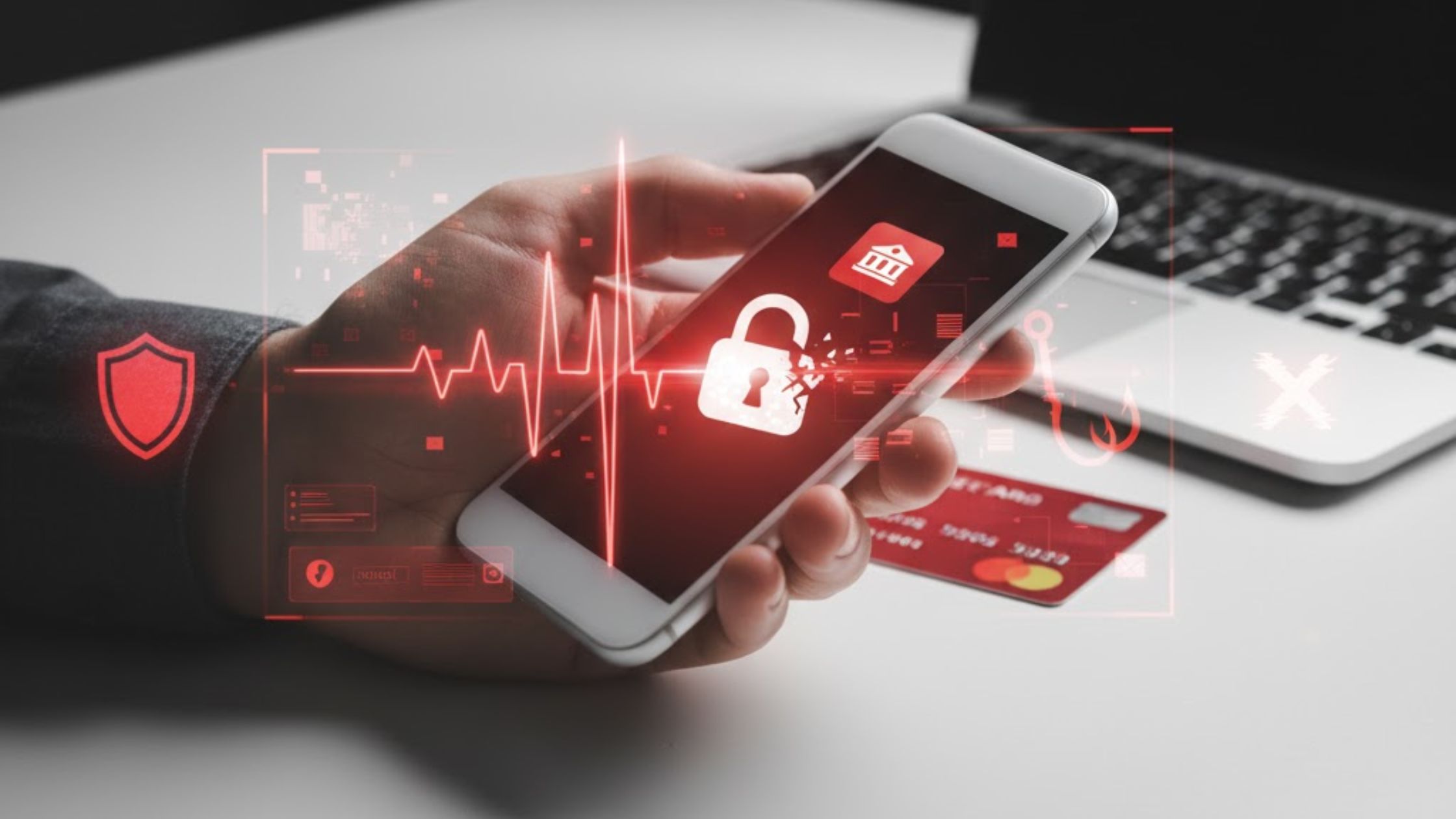
Vishing is a type of phone scam that uses voice communication to steal personal or financial information. The word combines “voice” and “phishing.” Instead of sending fake emails or texts, scammers call their targets directly.
They pretend to be from trusted organizations such as banks, government offices, or healthcare providers. Their goal is to convince people to share sensitive details like Social Security numbers, passwords, or credit card information.
How Vishing Works
In a typical vishing attack, the caller creates a sense of urgency. They might say your bank account has been compromised or that you owe money to the IRS.
Sometimes they use technology to make their number look legitimate on caller ID, a trick known as “spoofing.”
Once the victim believes the call is real, the scammer will ask them to verify details or transfer money to a “safe” account. In some cases, vishers leave automated voicemail messages, asking the victim to call back a fake customer service number.
Related blog: How AI-Powered Phishing With Deepfakes Is Fooling Millions
Why Vishing Is Increasing
Vishing has become more common in recent years. According to the Federal Trade Commission, Americans lost more than $1.1 billion to phone scams in 2023.
Another study showed that nearly 70% of consumers received at least one suspicious phone call every month. As more people work remotely and rely on their phones for banking or healthcare communication, scammers have found new ways to take advantage. Because phone calls feel personal and urgent, victims are more likely to respond without thinking.
Common Types of Vishing Calls
There are many kinds of vishing scams. Some involve fake bank fraud alerts, where the caller pretends to be from your financial institution. Others claim to represent government programs, such as Social Security or Medicare.
Healthcare vishing is also growing, with callers posing as hospital billing departments or insurance companies.
Vishing is not just on a personal level, but widely on a business level too, with businesses needing to learn about how to protect against such cyberthreats.
In some cases, scammers pretend to be from technical support, warning you about fake computer issues. These scams all use the same strategy — fear, urgency, and trust — to get you to share information or make payments.
How to Protect Against Vishing
The best protection against phishing and vishing is awareness. Never share personal or financial details over the phone unless you are certain of the caller’s identity.
If you receive an unexpected call from a company or government agency, hang up and call the official number listed on their website. Avoid pressing any buttons or responding to prompts on suspicious automated calls. Registering your number with the National Do Not Call Registry can reduce unwanted calls, though it won’t stop all scams. Many phone carriers now offer tools that identify or block potential scam calls.
Staying Safe and Informed
Always be cautious when a caller pressures you to act quickly. Legitimate organizations will not ask for payment in gift cards, cryptocurrency, or wire transfers. If you suspect a vishing attempt, report it to the Federal Trade Commission or your state consumer protection office. Educating family members, especially older adults who are often targeted, can also help prevent losses.
Conclusion
Vishing continues to be a growing threat in the US, costing people billions of dollars every year. By recognizing the warning signs and taking simple precautions, you can protect your personal information and avoid becoming a victim. At Grey Journal, we emphasize the importance of staying alert, verifying all calls, and reporting suspicious activity—your best defenses against this fast-evolving form of phone fraud.