What qualifies as the most expensive item in the world in 2025? From space-age engineering to crown jewels, blue-chip art, and ultra-rare automobiles, this definitive guide ranks the top 20 and explains why certain creations command sky-high price tags.
Use this list to explore how scarcity, cultural importance, craftsmanship, and tech innovation propel values from a $150+ billion space station to one-off coachbuilt cars and record-shattering paintings.
The definitive top 20 for 2025
The landscape of luxury and rarity in 2025 is defined by an eclectic mix of technology, real estate, art, and bespoke creations. The following ranked list captures the most expensive item in the world and its closest contenders, based on widely reported valuations and landmark sales:
1. International Space Station Over $150 Billion
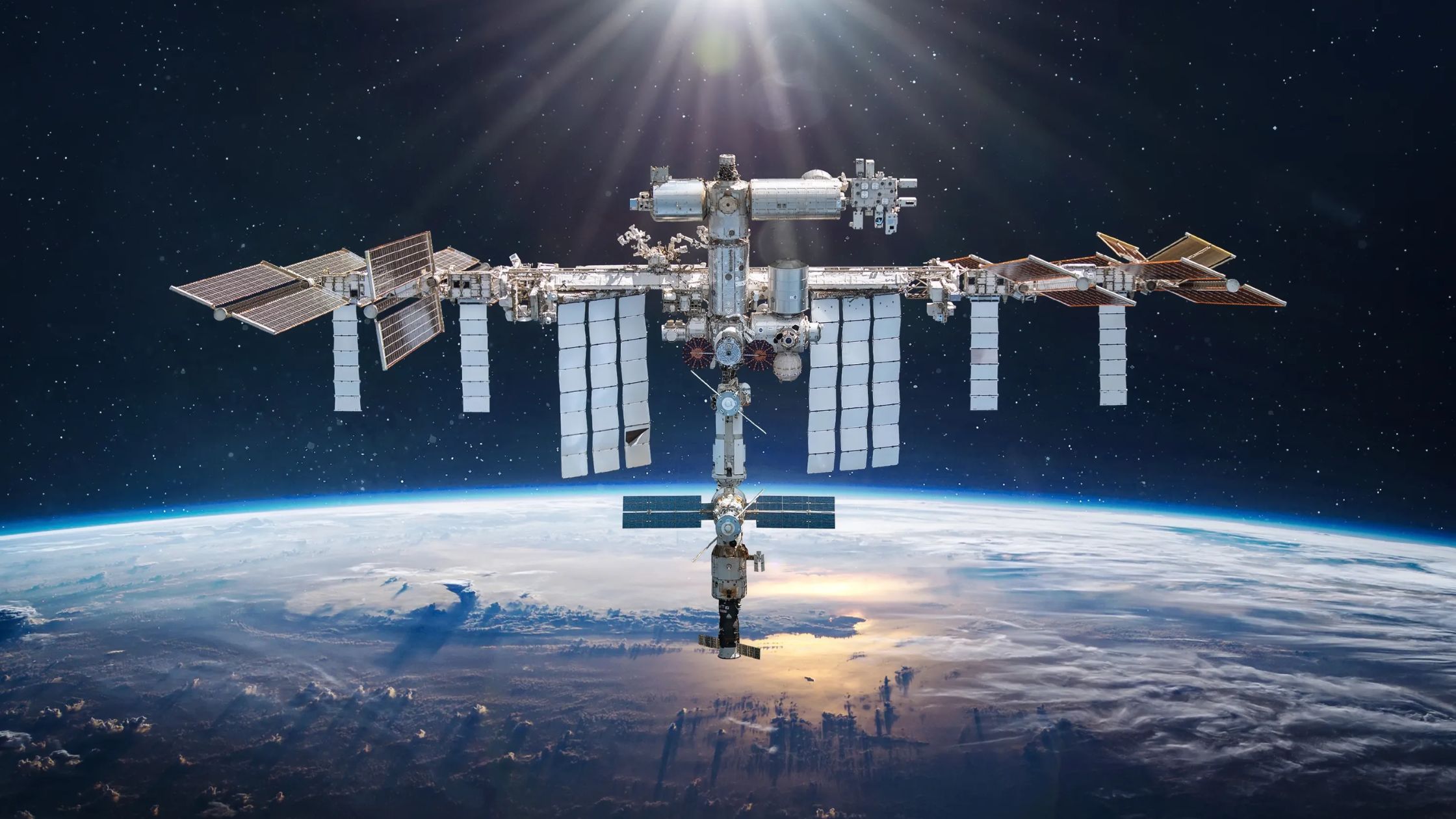
The International Space Station stands as the most expensive structure ever built, a collaborative achievement between multiple nations. Orbiting Earth since 1998, it serves as a microgravity and space environment research laboratory for cutting-edge science.
2. History Supreme Yacht $4.5 Billion
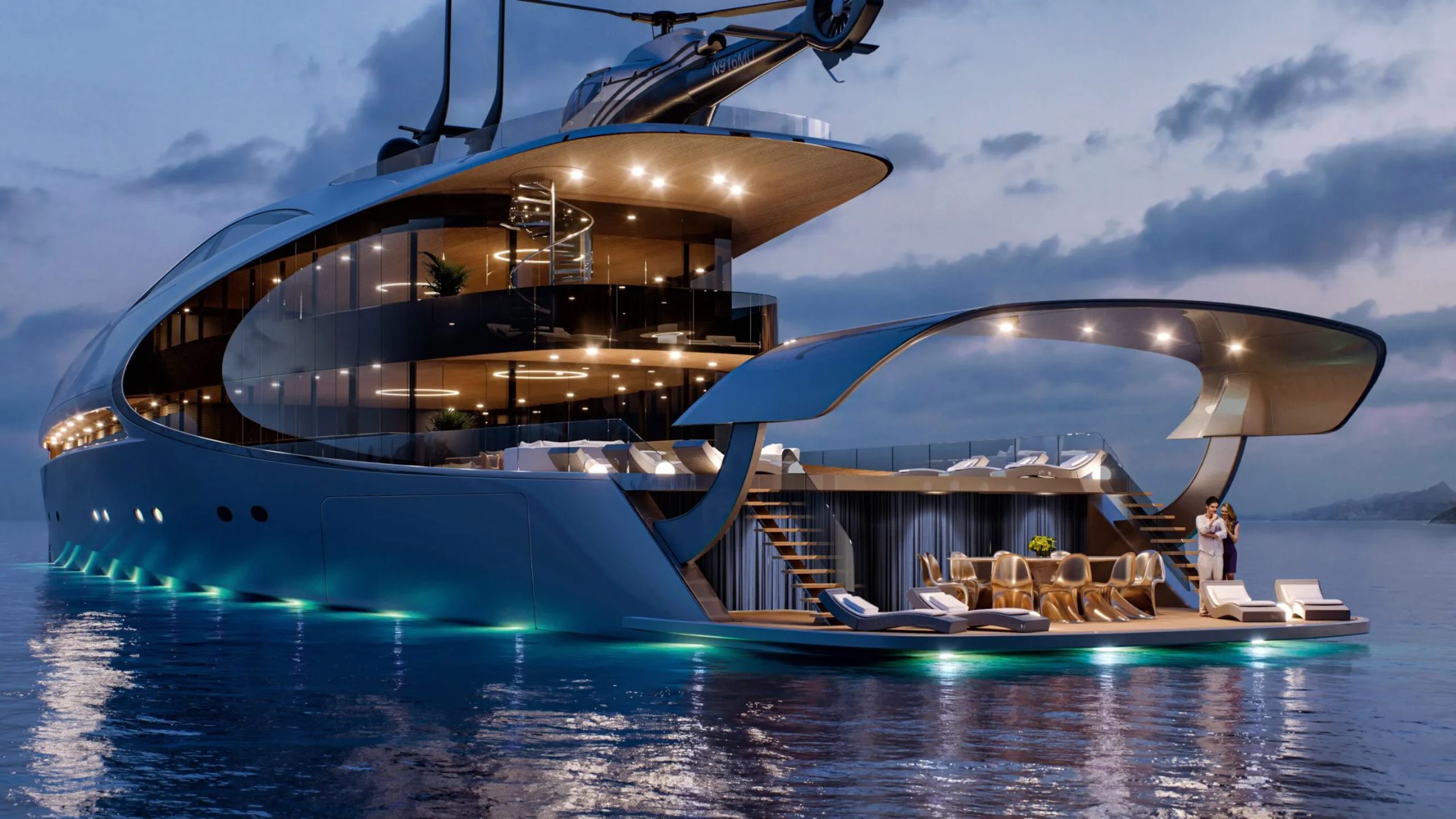
Crafted from solid gold and platinum, the History Supreme Yacht is the pinnacle of nautical luxury. Designed by Stuart Hughes, it reportedly includes a statue made from genuine dinosaur bones and walls adorned with meteorite rock.
3. Hubble Space Telescope $2.1 Billion

Launched in 1990, the Hubble Space Telescope revolutionized astronomy by capturing breathtaking images of deep space. Its continuous upgrades and unprecedented scientific contributions justify its astronomical cost.
4. Antilia Residence $2 Billion
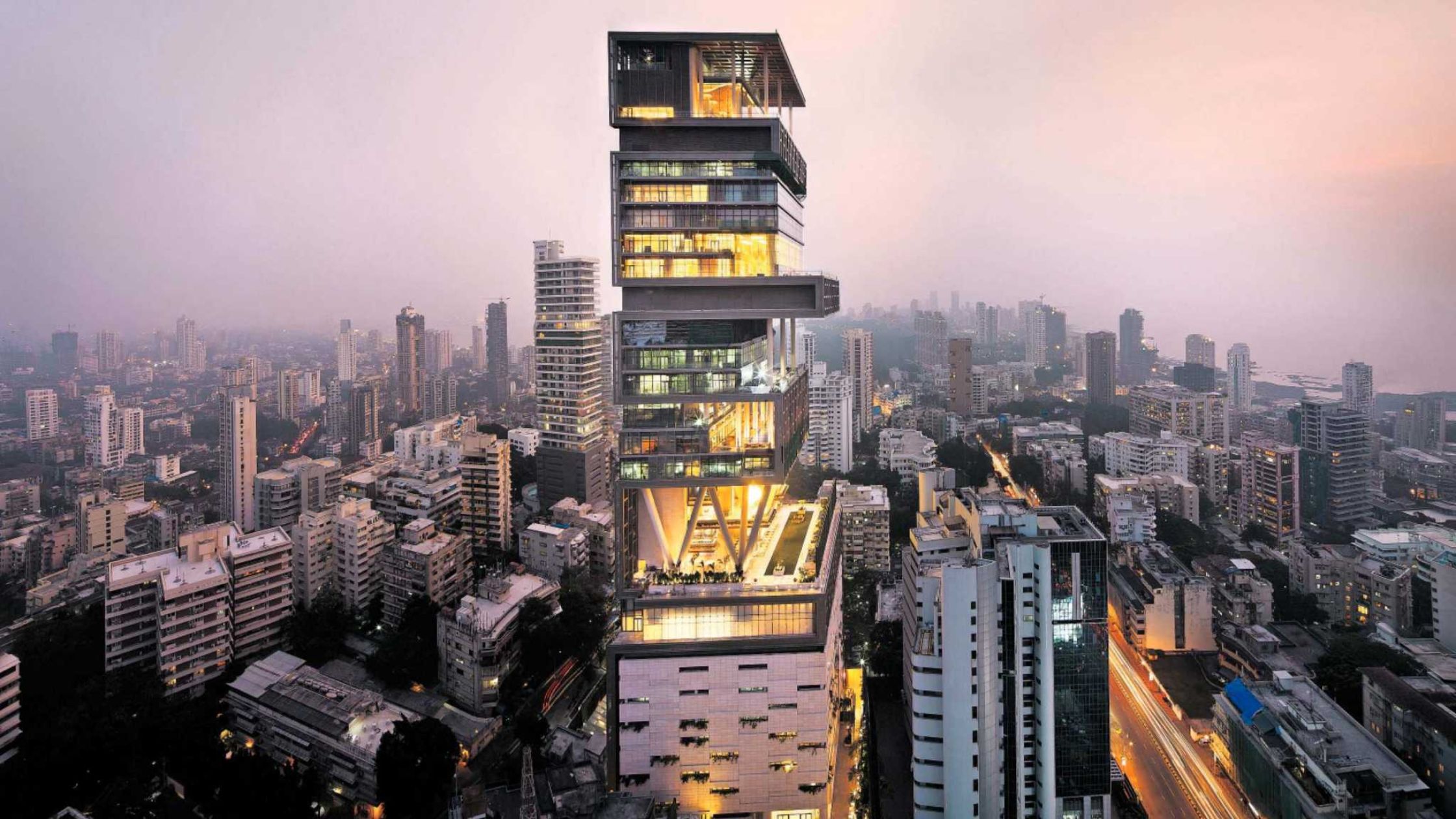
Owned by Indian billionaire Mukesh Ambani, Antilia is a 27-story architectural marvel in Mumbai. The home includes multiple helipads, a private movie theater, and a snow room that produces artificial snow.
5. Air Force One $660 Million
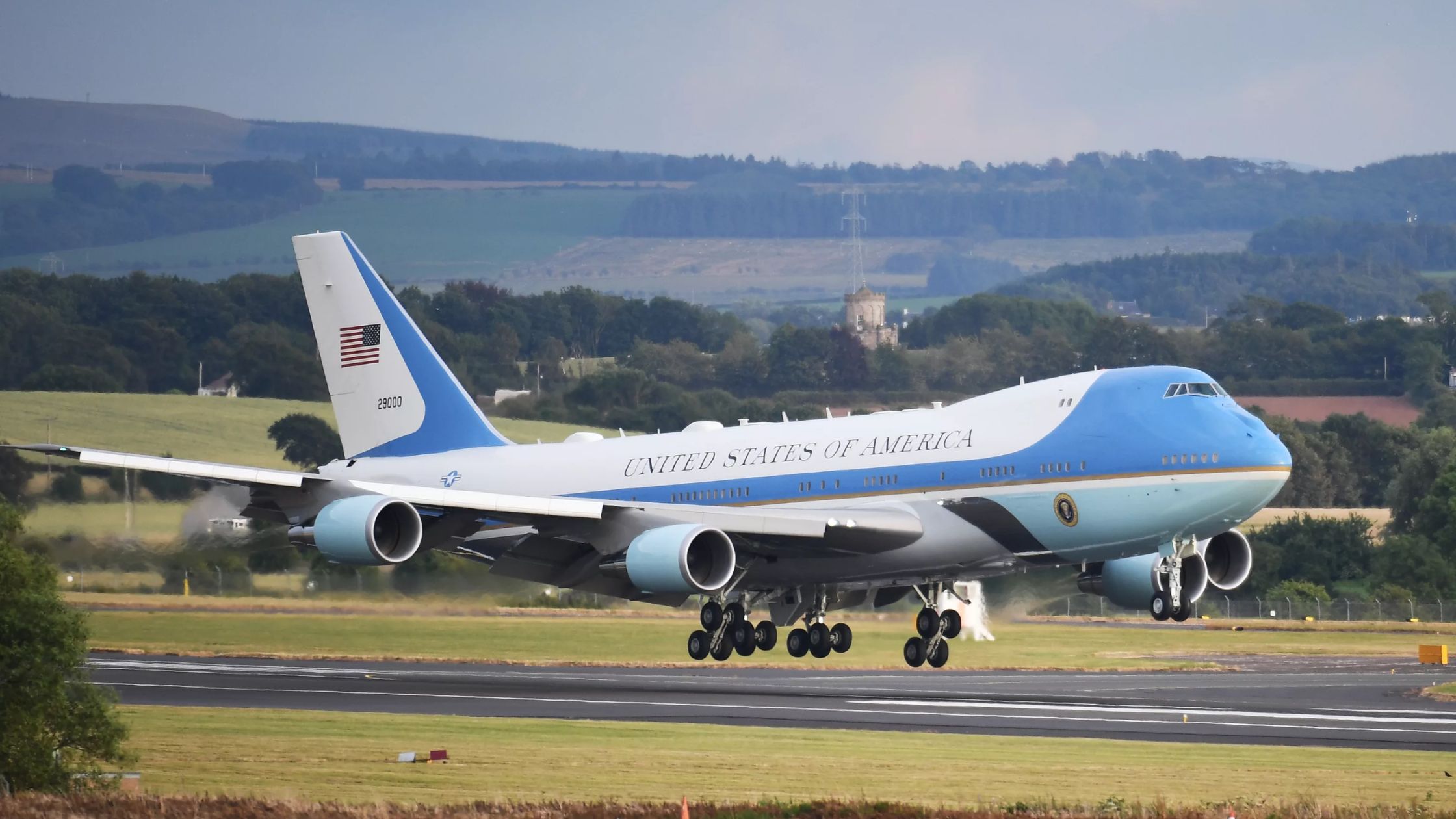
The U.S. President’s aircraft, Air Force One, combines cutting-edge technology, security, and luxury. It functions as a flying White House, complete with communications systems, conference rooms, and medical facilities.
6. The Crown Jewels $591 Million
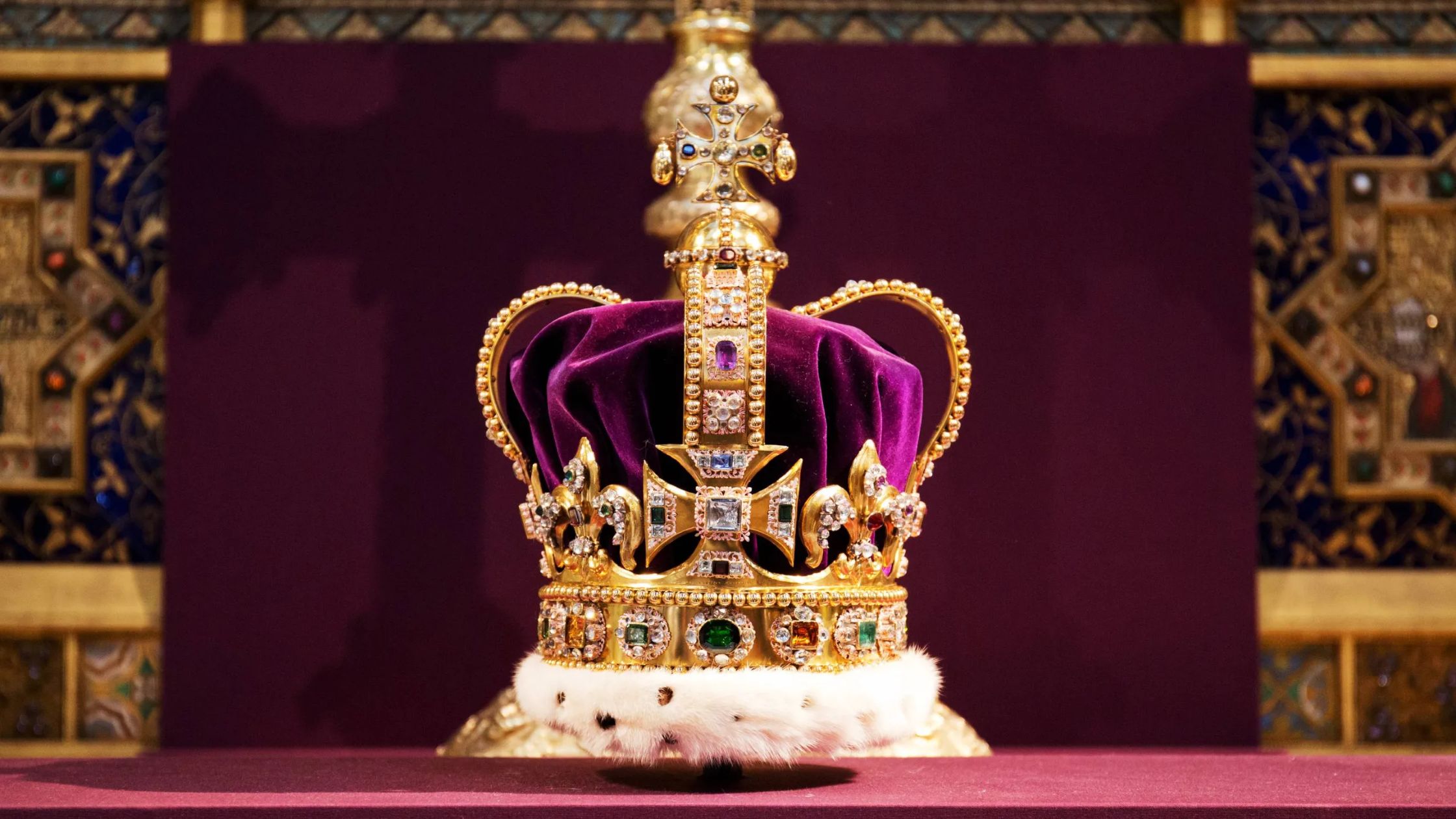
Housed in the Tower of London, the Crown Jewels symbolize centuries of British monarchy. These priceless regalia include the Imperial State Crown and the Sovereign’s Sceptre, encrusted with some of the world’s rarest gems.
7. Villa Leopolda $506 Million
Located on the French Riviera, Villa Leopolda is one of the most luxurious private estates in the world. Surrounded by sprawling gardens, it boasts a history of royal and billionaire ownership.
8. Salvator Mundi by Leonardo da Vinci $450.3 Million
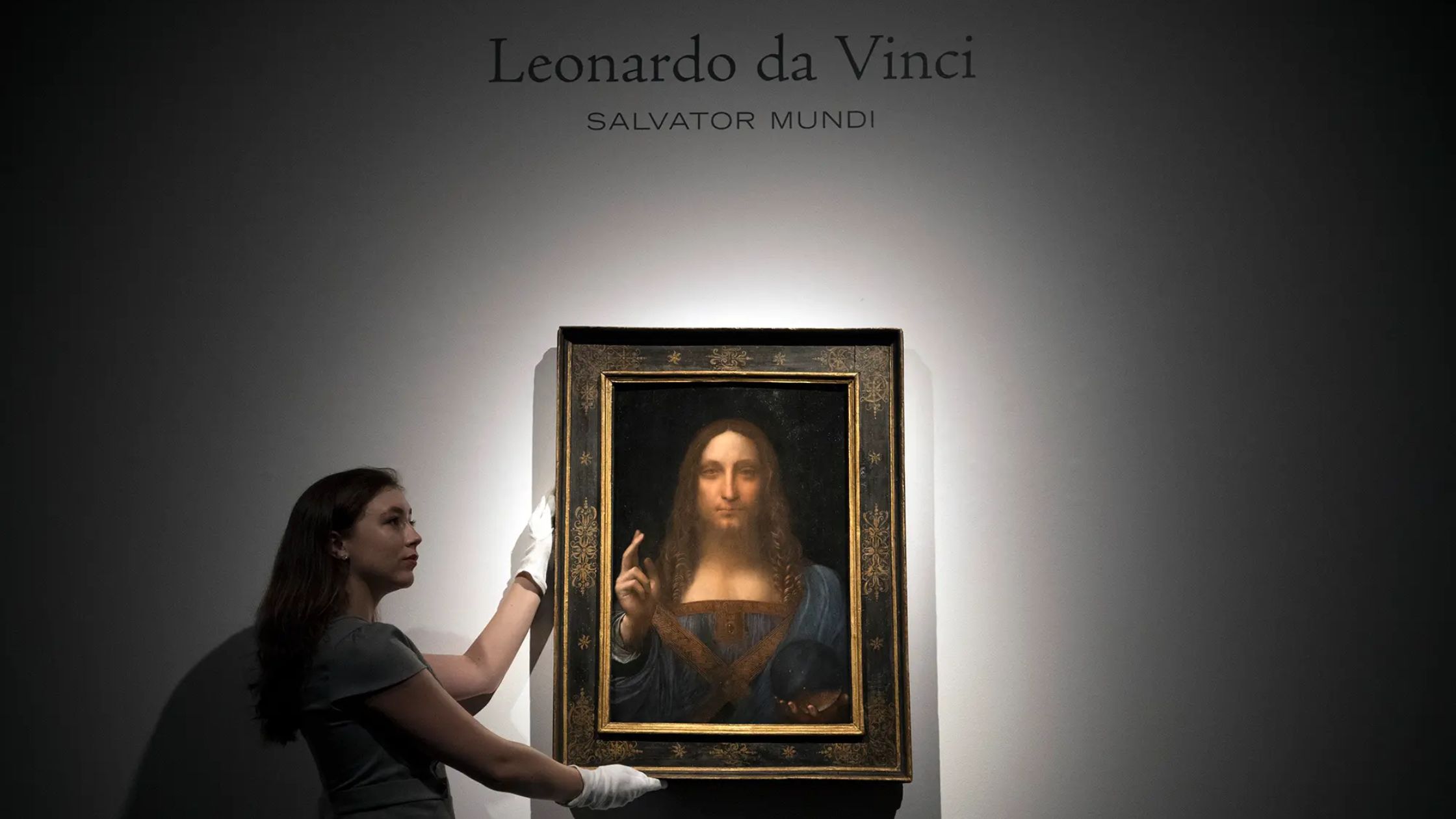
This mysterious painting of Christ by Leonardo da Vinci became the most expensive artwork ever sold at auction. Its enigmatic history and rediscovery story add to its unparalleled allure.
9. The Cullinan Diamond $400 Million
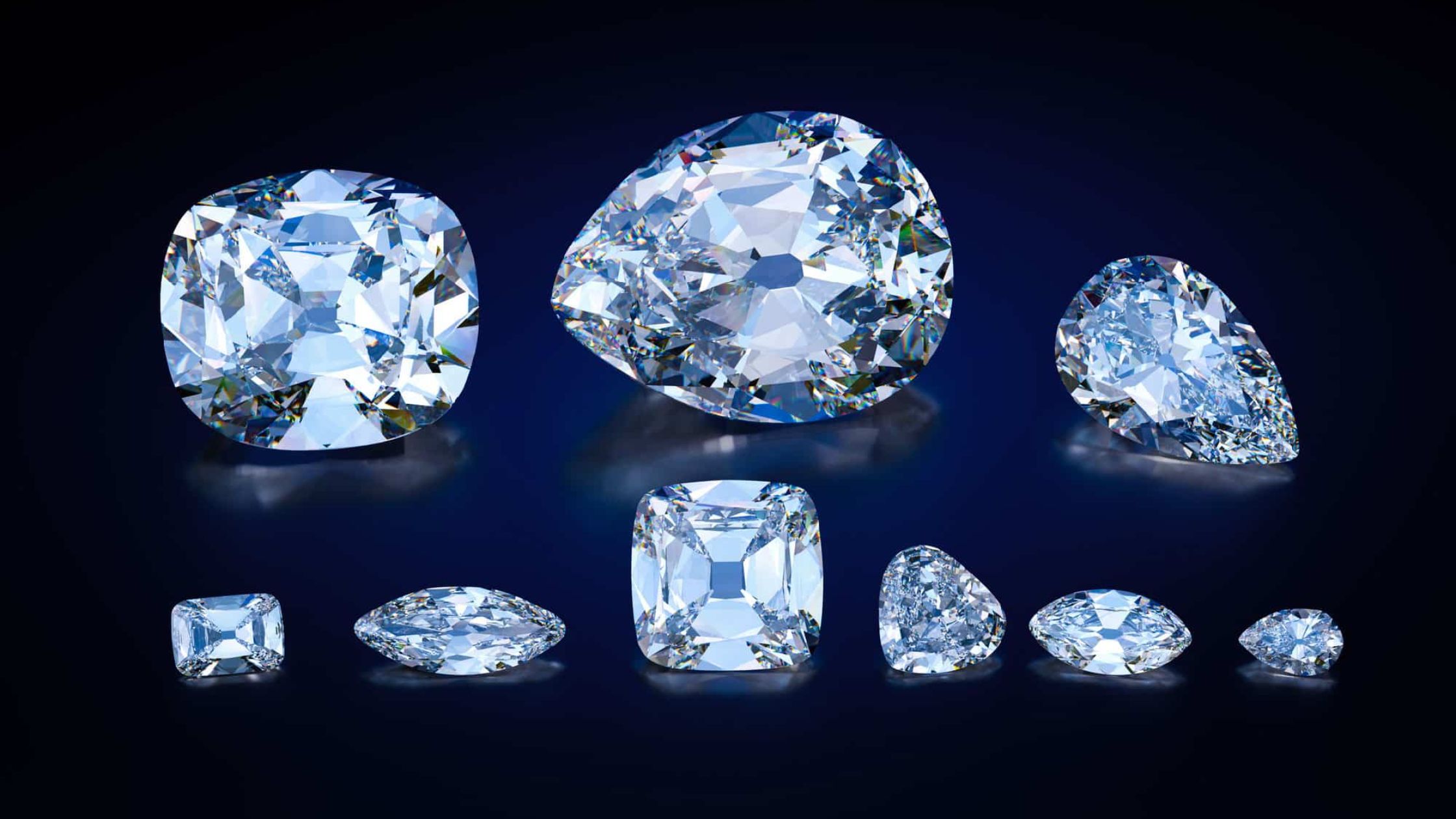
Discovered in South Africa in 1905, the Cullinan remains the largest gem-quality diamond ever found. Its polished stones now adorn the British Crown Jewels, symbolizing both rarity and royal legacy.
10. Private Boeing 787 Dreamliner $300 Million
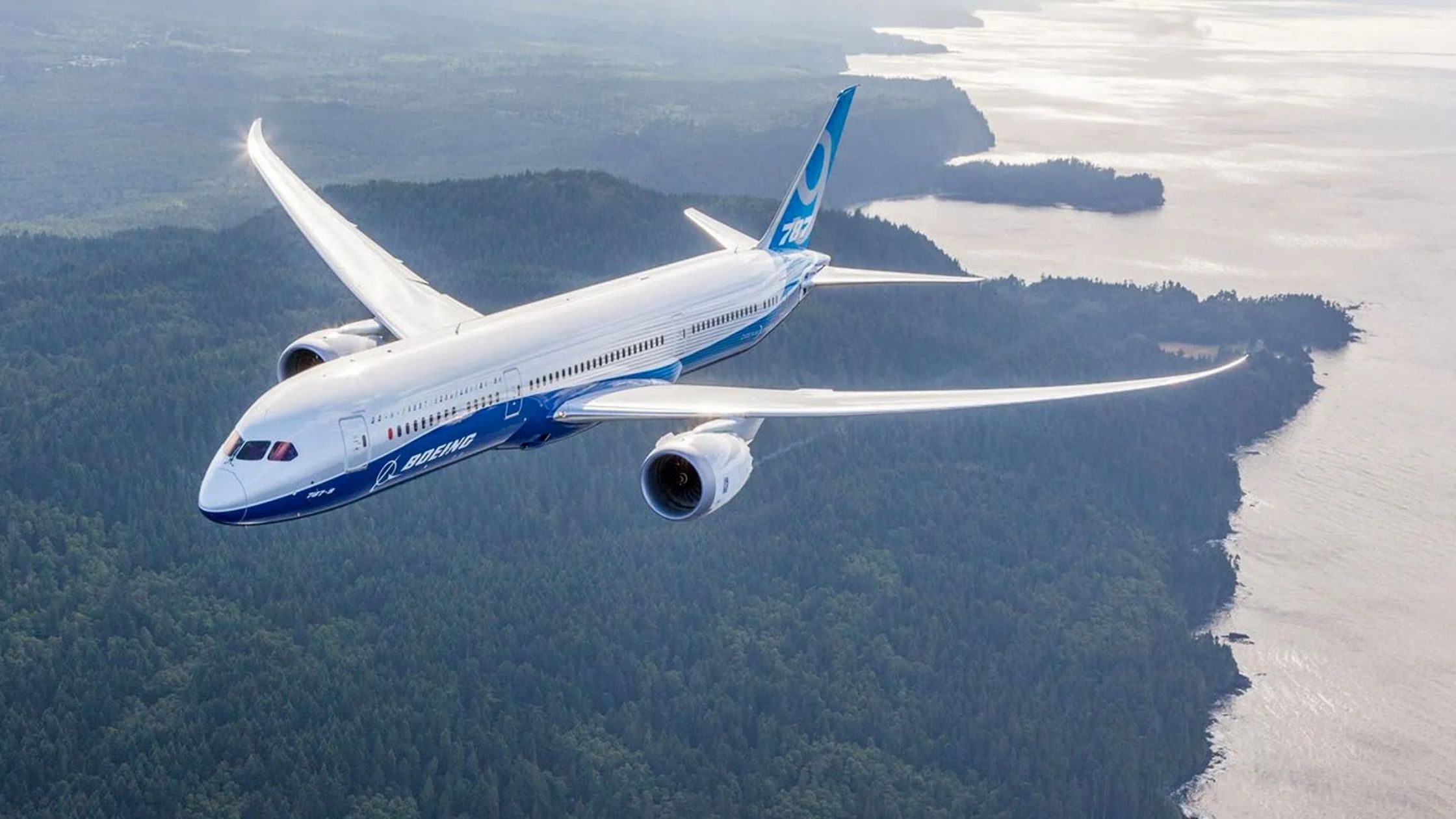
Custom private Dreamliners redefine air travel luxury, featuring bedrooms, lounges, and high-tech conference suites. Owned by billionaires and heads of state, these aircraft are airborne palaces.
11. Interchange by Willem de Kooning $300 Million

This abstract expressionist masterpiece showcases de Kooning’s energetic brushwork and vibrant color palette. It set a record as one of the most expensive paintings ever sold privately.
12. The Card Players by Paul Cézanne $250 Million

Cézanne’s masterpiece, part of a five-painting series, captures the quiet intensity of a card game. Its purchase by Qatar’s royal family underscores the nation’s investment in cultural prestige.
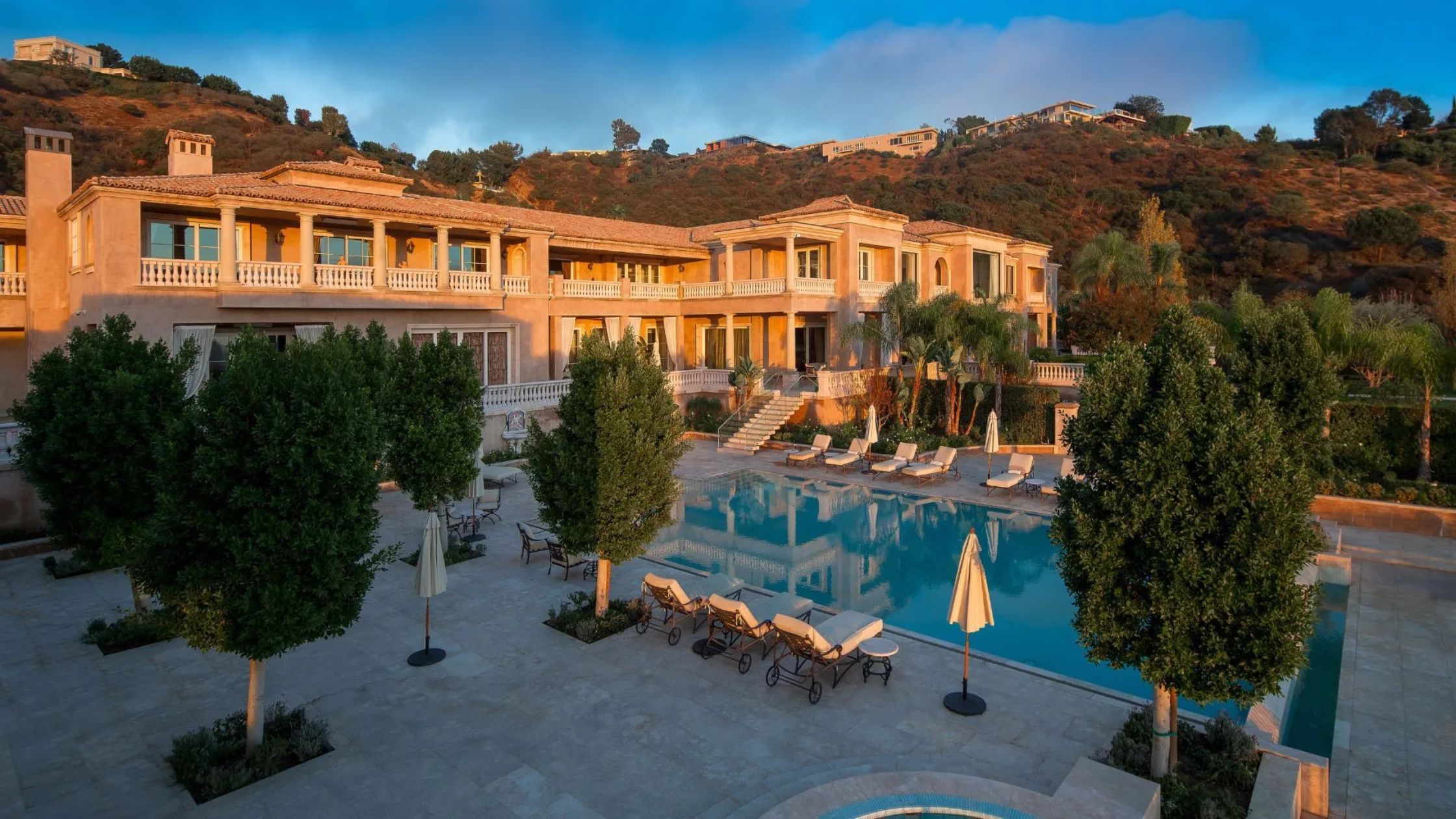
13. Record Beverly Hills Mega Mansion $165 Million
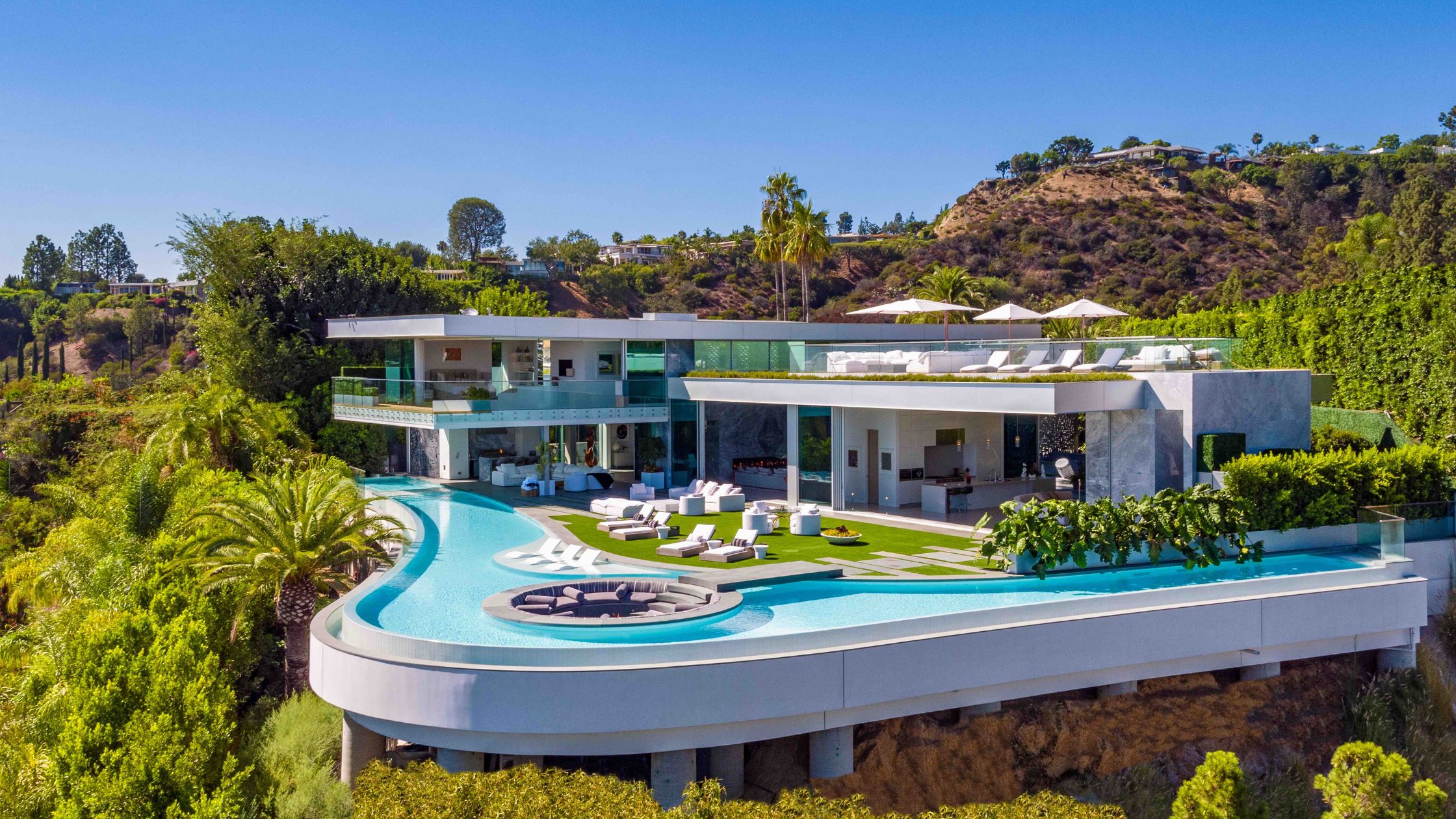
This architectural marvel represents the pinnacle of modern real estate in California’s luxury market. With sweeping city views, multiple pools, and curated interiors, it epitomizes extravagance.
14. Mercedes Benz 300 SLR Uhlenhaut Coupé $143 Million
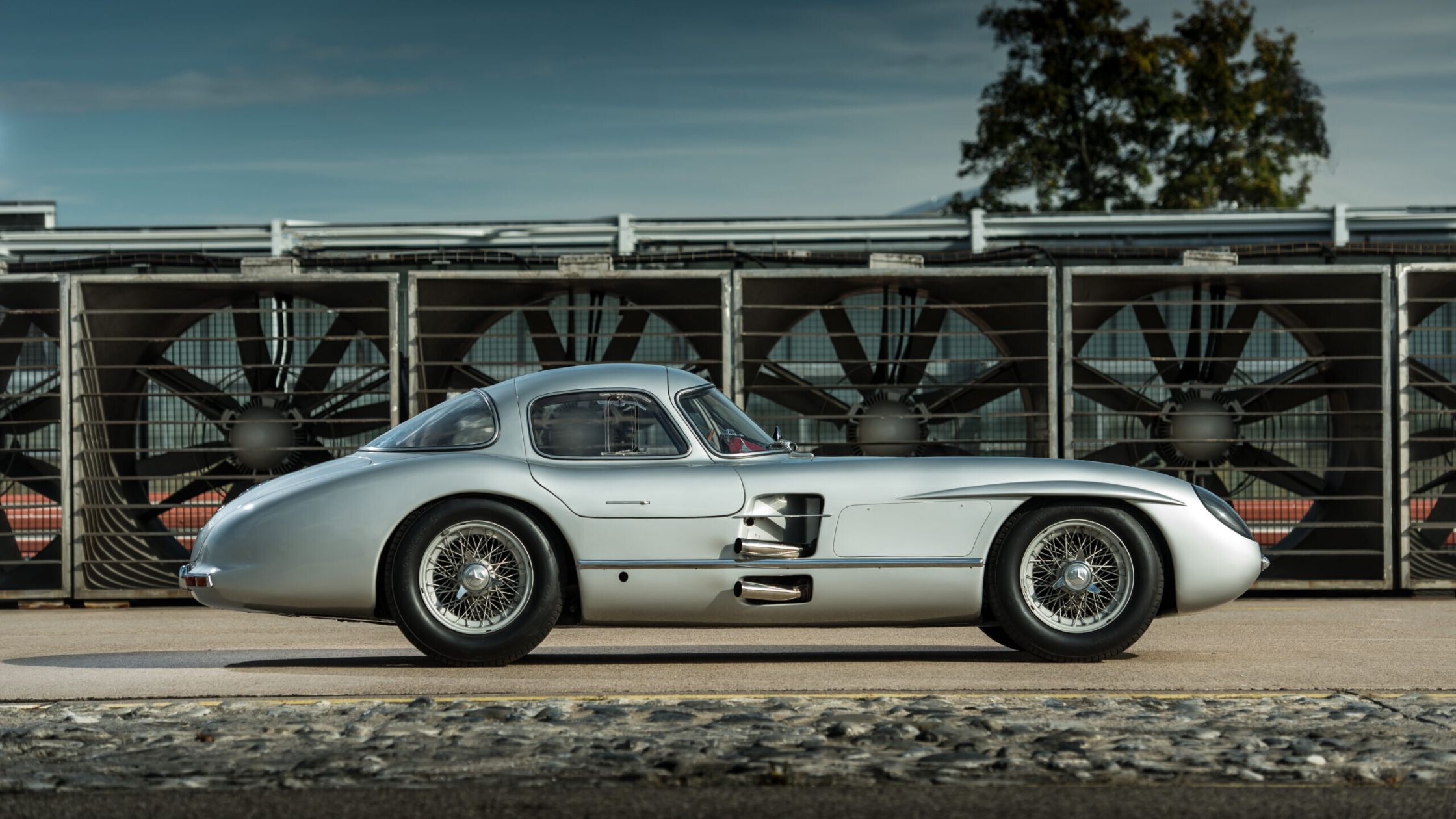
This rare 1955 Mercedes-Benz set a record as the most expensive car ever sold. Only two were built, combining exquisite design with racing pedigree and historical significance.
15. Pointing Man sculpture by Alberto Giacometti $141.3 Million
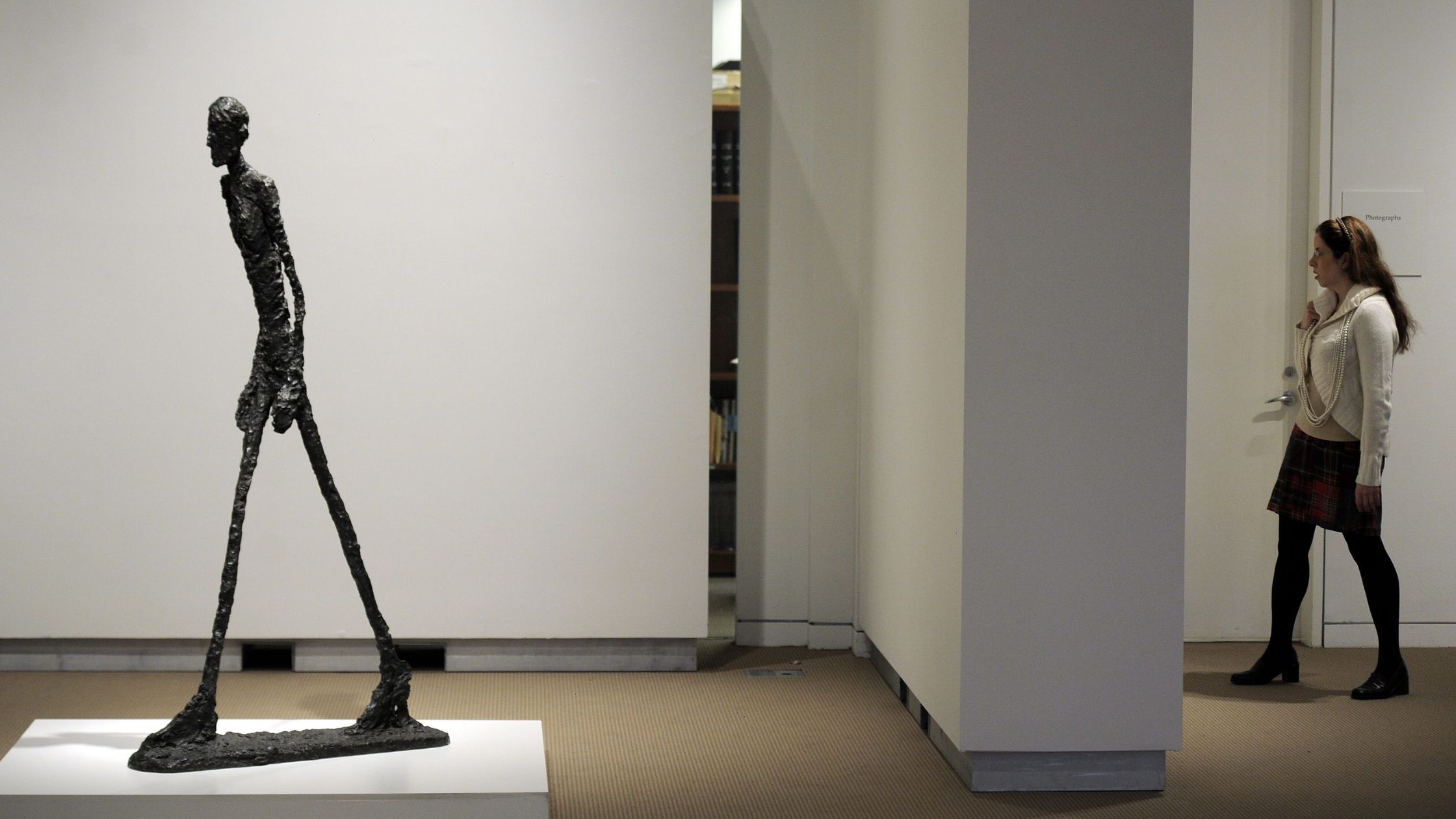
Known for his elongated, skeletal figures, Giacometti captured the fragility of human existence. Pointing Man remains one of the most recognizable sculptures of the 20th century.
16. Portrait of Adele Bloch Bauer I by Gustav Klimt $135 Million
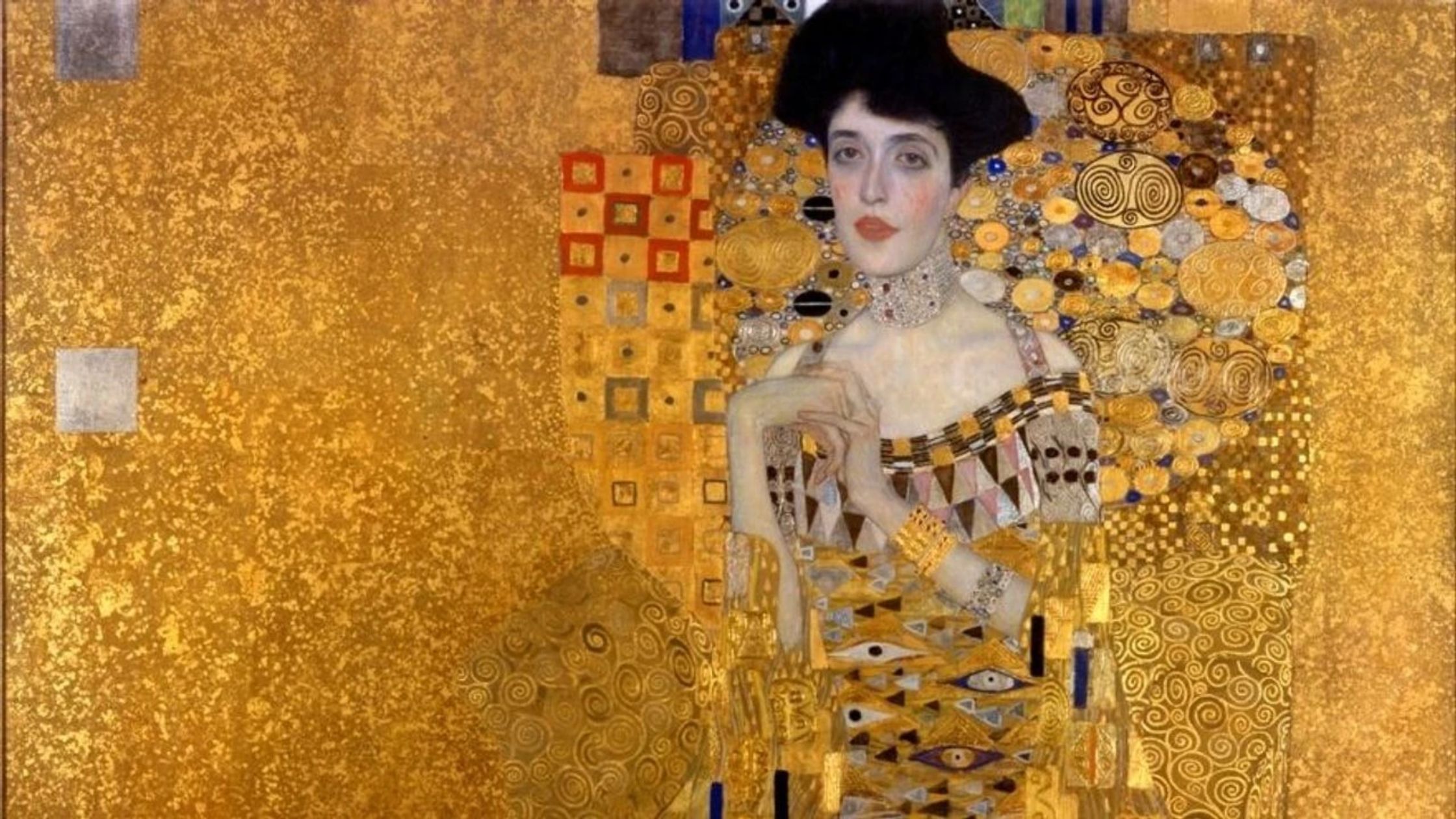
Often referred to as “The Woman in Gold,” Klimt’s golden portrait exemplifies his opulent Art Nouveau style. Its restitution to the Bloch-Bauer family after WWII added emotional weight to its value.
17. Garçon à la pipe by Pablo Picasso $104 Million
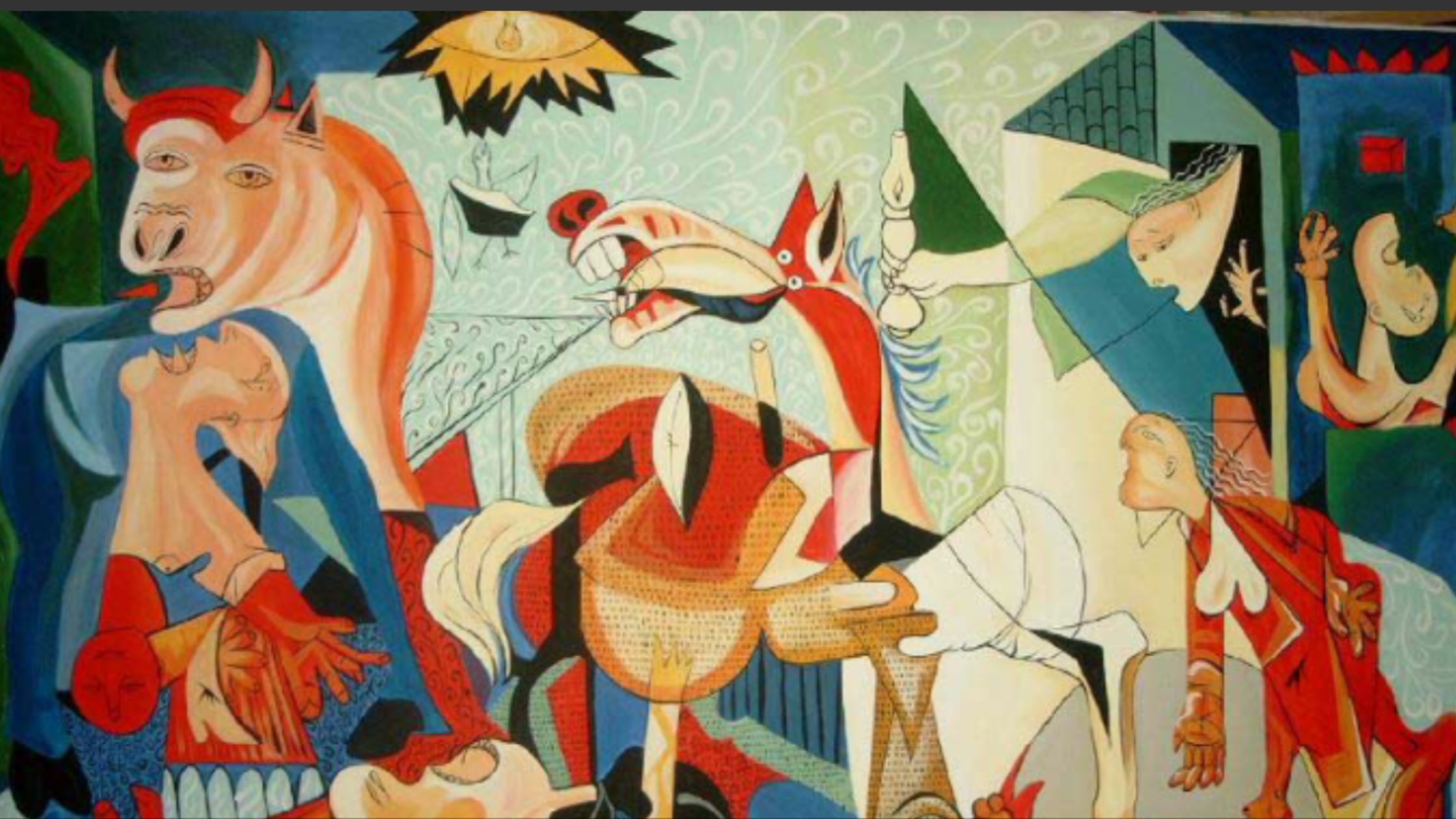
Painted during Picasso’s Rose Period, this portrait radiates youthful innocence and Parisian charm. Its record-breaking sale cemented Picasso’s dominance in the art market.
18. 1963 Ferrari 250 GTO $70 Million
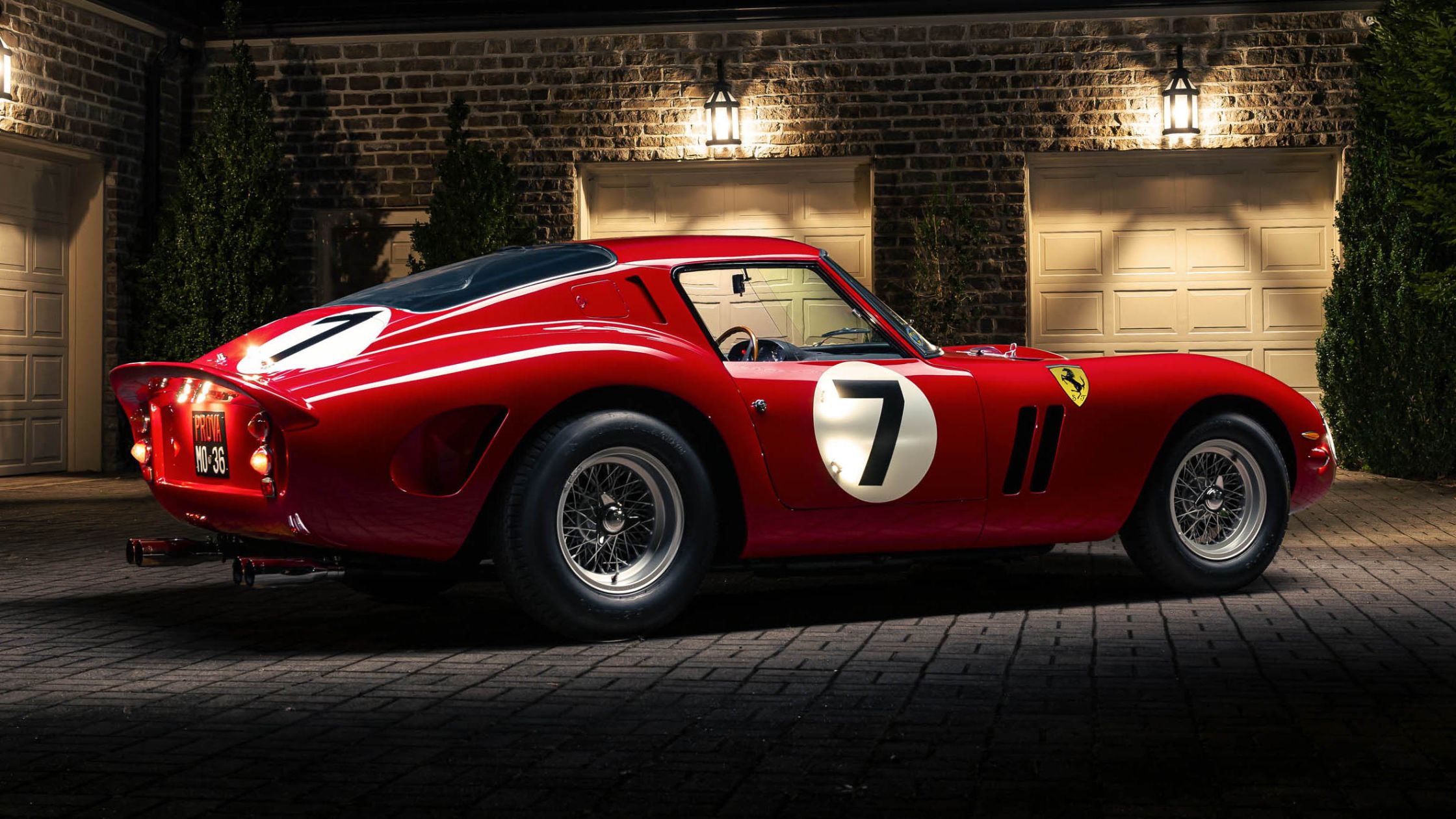
A legend among collectors, the Ferrari 250 GTO blends racing history with sculptural beauty. Only 36 were made, each carrying a unique story of speed and craftsmanship.
19. Graff Diamonds Hallucination watch $55 Million
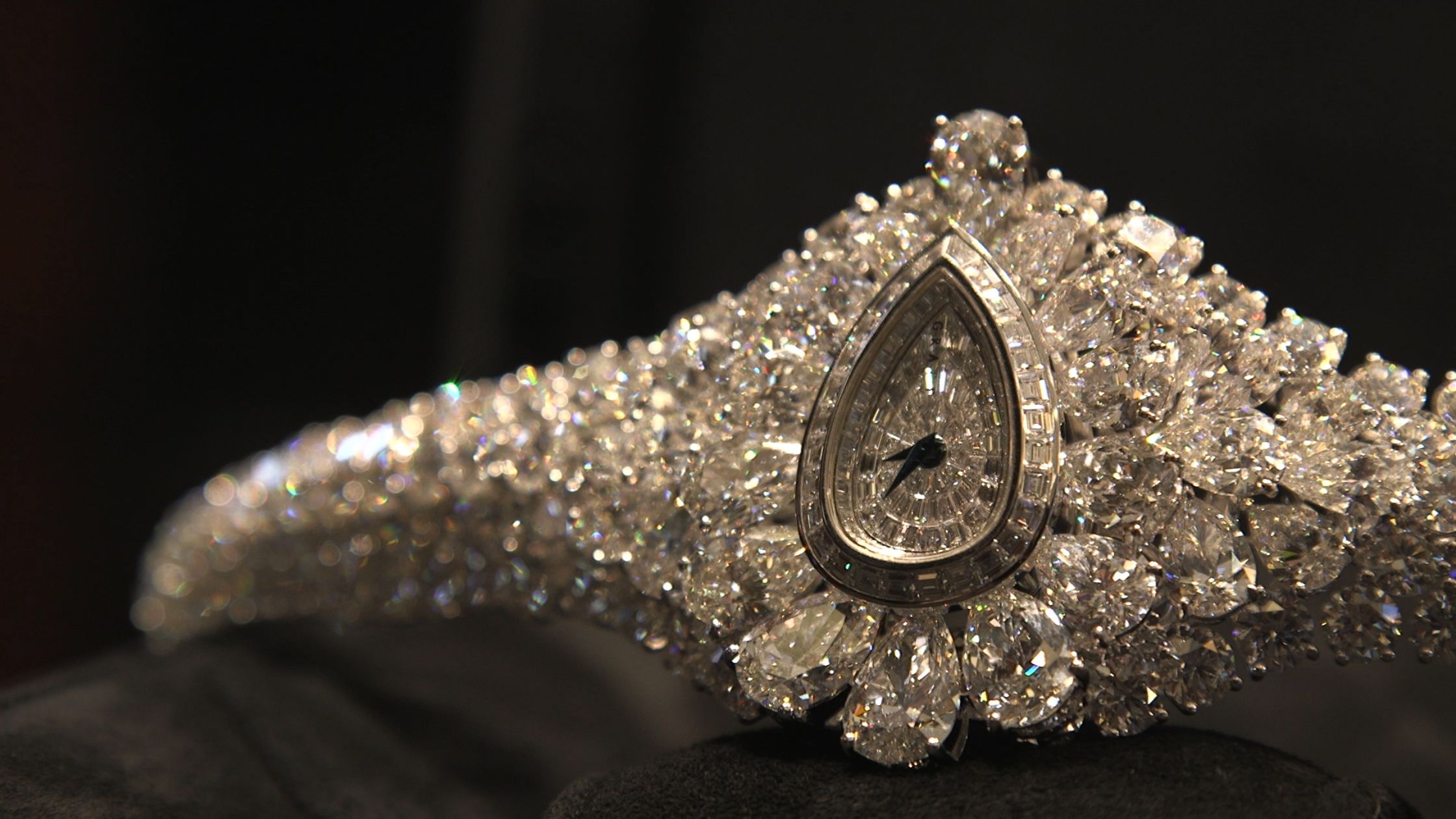
This dazzling timepiece features over 110 carats of rare colored diamonds. Designed by Laurence Graff, it’s more a wearable artwork than a functional watch.
20. L’Incomparable diamond necklace $55 Million
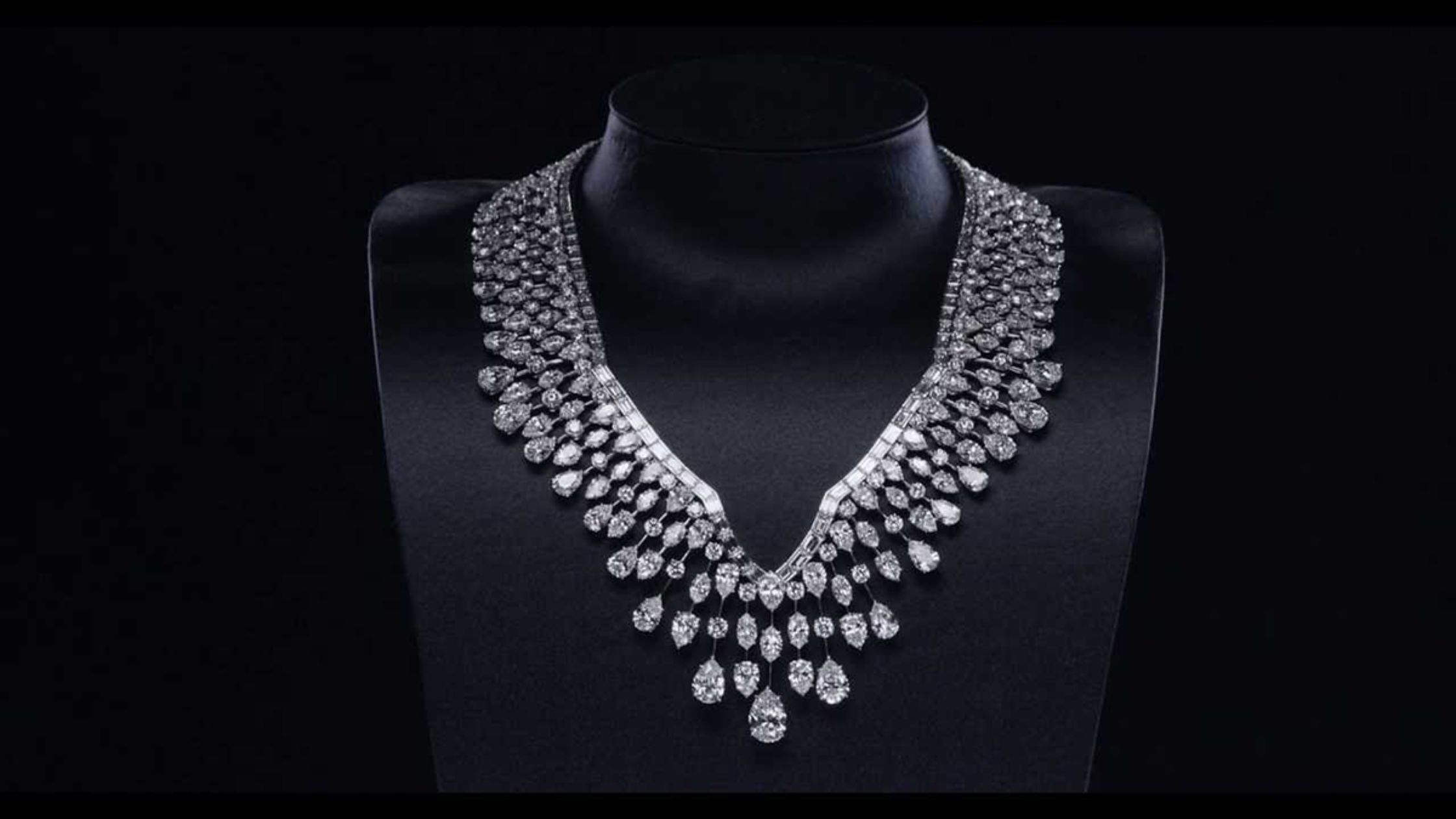
Set with a flawless 407-carat yellow diamond, this necklace holds the record as one of the world’s most valuable pieces of jewelry. Its intricate design showcases the height of haute joaillerie.
Each entry on this list represents not only a staggering price tag but also a unique story of innovation, heritage, or craftsmanship. The International Space Station remains the most expensive item in the world, a testament to global collaboration and technological achievement. Meanwhile, the History Supreme Yacht and Antilia Residence reflect the pinnacle of private luxury, while iconic artworks and rare automobiles continue to command record-breaking sums.
Category snapshots
- Space and aviation: International Space Station, Hubble Space Telescope, Air Force One, Private Boeing 787 Dreamliner
- Real estate and estates: Antilia Residence, Villa Leopolda, Record Beverly Hills mega‑mansion
- Art masterpieces: Salvator Mundi by Leonardo da Vinci, Interchange by Willem de Kooning, The Card Players by Paul Cézanne, Portrait of Adele Bloch‑Bauer I by Gustav Klimt, Garçon à la pipe by Pablo Picasso, Pointing Man sculpture by Alberto Giacometti
- Automobiles: Mercedes‑Benz 300 SLR Uhlenhaut Coupé, 1963 Ferrari 250 GTO
- High jewelry and timepieces: The Cullinan Diamond, Graff Diamonds Hallucination watch, L’Incomparable diamond necklace
- National treasures: The Crown Jewels
This mix demonstrates how value is shaped by innovation, rarity, history, and cultural significance.
Notable 2025 newcomer to watch
- Rolls‑Royce La Rose Noire Droptail roughly $30 million
- This singular coachbuilt creation, inspired by the Black Baccara rose, exemplifies the ongoing evolution of bespoke luxury in the automotive world. Its presence signals that the boundaries of exclusivity and craftsmanship continue to expand in 2025.
Want to know who’s really running the world in 2025? You’ll want to see this.
What Drives These Price Tags?
Understanding what pushes the value of the most expensive item in the world and those that follow requires looking beyond the sticker price. Several interconnected factors shape why certain objects, artworks, or collectibles command astronomical sums.
Scarcity and uniqueness are central. Items that are one-of-a-kind, such as custom-built hypercars, irreproducible gemstones, or national regalia, achieve unmatched rarity. When something cannot be replicated or replaced, its value is naturally amplified in the eyes of collectors and investors.
Cultural and historical significance also plays a major role. Objects that embody key moments in history, or represent cultural milestones, often become museum-grade treasures. These items carry narratives that resonate across generations, compounding their allure and value.
Engineering complexity and materials further drive prices. Whether it’s a space platform, a bespoke yacht, or a custom airframe, the use of advanced technology and rare materials like titanium alloys or hand-stitched leathers adds layers of cost and exclusivity.
Provenance and brand power can be decisive. The documented ownership history of an item, its association with storied makers, or its ties to legendary figures, all contribute to higher demand. Pristine records and celebrated brands often mean higher bids and greater prestige.
Condition and originality matter greatly. Collectors and institutions pay premiums for items that remain in their original state, with all parts intact and minimal restoration. Conservation quality and unaltered authenticity are frequently non-negotiable for those seeking the best.
Market dynamics round out the equation. Limited-supply auctions, private treaty sales, and the influence of global liquidity can trigger record-setting prices. The interplay between supply, demand, and timing often determines which item claims the title of the most expensive item in the world at any given moment.
New milestones in 2025
In 2025, the pursuit of rarity and prestige has reached unprecedented heights, with headlines spotlighting how innovation and bespoke luxury continue to redefine what it means to own the most expensive item in the world. The year’s developments span several categories, each pushing the boundaries of exclusivity and value.
Ultra-rare automobiles remain at the forefront of luxury collecting. Coachbuilt halo cars, such as the La Rose Noire Droptail, exemplify the zenith of modern automotive commissioning. These vehicles are crafted in limited numbers, tailored to the precise specifications of their owners, and often feature unique design elements that set new standards in craftsmanship. Meanwhile, historic racers like the 300 SLR Uhlenhaut and the 250 GTO consistently command record-breaking sums at auction, their provenance and racing pedigree making them perennial favorites among elite collectors.
Space continues to represent the ultimate frontier for high-value investment. The International Space Station (ISS) retains its status as the most expensive item in the world, a testament to decades of multinational collaboration, technological advancement, and scientific achievement. Ongoing upgrades and research initiatives ensure the ISS remains not only a symbol of human ingenuity but also a focal point for global expenditure and ambition.
Art’s enduring allure is as strong as ever. Masterpieces such as Salvator Mundi and other blue-chip canvases anchor the upper echelons of the art market, regularly fetching museum-level prices. These works serve as both cultural touchstones and robust asset classes, reinforcing art’s dual role as a store of value and a marker of taste.
Real estate continues to set new benchmarks for extravagance. Trophy estates and singular skyscraper residences illustrate how prime location, expansive footprint, and bespoke amenities can drive valuations to extraordinary levels. These properties are more than just homes, they are statements of status and ambition, often featuring amenities that rival those of luxury resorts.
The landscape of luxury in 2025 demonstrates that, whether on the road, in orbit, on canvas, or in the heart of a city, the quest for the most expensive item in the world is ever-evolving, shaped by innovation, heritage, and the enduring allure of the exceptional.
Luxury Rarity and Value in Perspective
The concept of luxury has always been shaped by more than just price tags. While the most expensive item in the world often grabs headlines, true value in the luxury market is determined by a blend of rarity, narrative, and craftsmanship. These elements are what elevate certain objects beyond simple extravagance, making them coveted symbols of status and culture.
Scarcity is a fundamental driver. Whether it’s a one-of-a-kind diamond, a limited-edition supercar, or a masterpiece painting, the fewer there are in existence, the more desirable and valuable they become. This rarity creates a sense of exclusivity that appeals to collectors and investors alike.
Yet scarcity alone is not enough. The story behind an item, its provenance, the journey it has taken, and the personalities connected to it adds a layer of intrigue and emotional resonance. Items with storied histories or connections to iconic moments or figures in history often command higher prices, as buyers are drawn to the intangible qualities that set them apart.
Superb execution is the final pillar. The meticulous attention to detail, the use of the finest materials, and the involvement of renowned artisans all contribute to an object’s allure. Whether it’s a hand-crafted watch or a custom-built yacht, flawless execution ensures that the item not only stands out visually but also endures as a testament to human creativity and skill.
When these factors converge, they create a perfect storm of desirability and value. The most expensive items in the world are not just costly, they are cultural artifacts that encapsulate the essence of luxury, making them enduring symbols of aspiration and achievement.
Quick Takeaways
- The International Space Station (ISS) stands as the most expensive item in the world, with a value exceeding $150 billion. Its cost reflects decades of multinational engineering and ongoing investment in space technology.
- High-end yachts, private jets, and advanced space tech exemplify how innovation, rare materials, and customization drive prices into the stratosphere. These assets are not just modes of travel, they are statements of engineering prowess and exclusivity.
- Art masterpieces and national treasures consistently fetch premium prices. Their value is shaped not only by rarity and provenance but also by their cultural and historical significance, often making headlines at major auctions.
- The world’s priciest cars fall into two main categories: legendary vintage auction leaders and contemporary, coachbuilt commissions. Both types command extraordinary sums, whether for their heritage or cutting-edge design.
- The rankings of the most expensive things can change rapidly. Landmark auction results, the unveiling of new custom creations, and updated valuations all have the potential to reshape the list from year to year.
From diamond-encrusted yachts to billion-dollar estates, the world’s most extravagant creations in 2025 reflect not just wealth, but the human desire to push boundaries of luxury and imagination. Whether these items symbolize status, innovation, or pure indulgence, they remind us that value is often shaped by rarity, story, and emotion. For more insights into the intersection of opulence and culture, Grey Journal continues to explore the ideas that shape our world one extraordinary detail at a time.
Frequently Asked Questions (FAQs)
1. What is the most expensive item in the world?
The International Space Station holds the title, with a valuation exceeding $150 billion. Its cost reflects decades of international collaboration, advanced technology, and ongoing maintenance.
2. Which car tops the list in 2025?
At auction, the Mercedes‑Benz 300 SLR Uhlenhaut Coupé achieved a record price of approximately $143 million. For newly built, coachbuilt vehicles, the Rolls‑Royce La Rose Noire Droptail leads at around $30 million.
3. Do these prices change?
Yes. Rankings shift over time due to auction results, private sales, market demand, and updated appraisals. The most expensive item in the world can change as new sales are recorded or valuations are revised.
4. Are these figures inflation-adjusted?
Most reported prices are nominal, reflecting the sale value at the time of transaction. Some comparisons may note inflation, but typically, lists use original sale figures.
5. Why are jewelry and watches near the bottom of the top 20?
Even with rare gems and intricate craftsmanship, jewelry and watches usually have lower total valuations than singular artworks, landmark estates, or assets like the International Space Station.