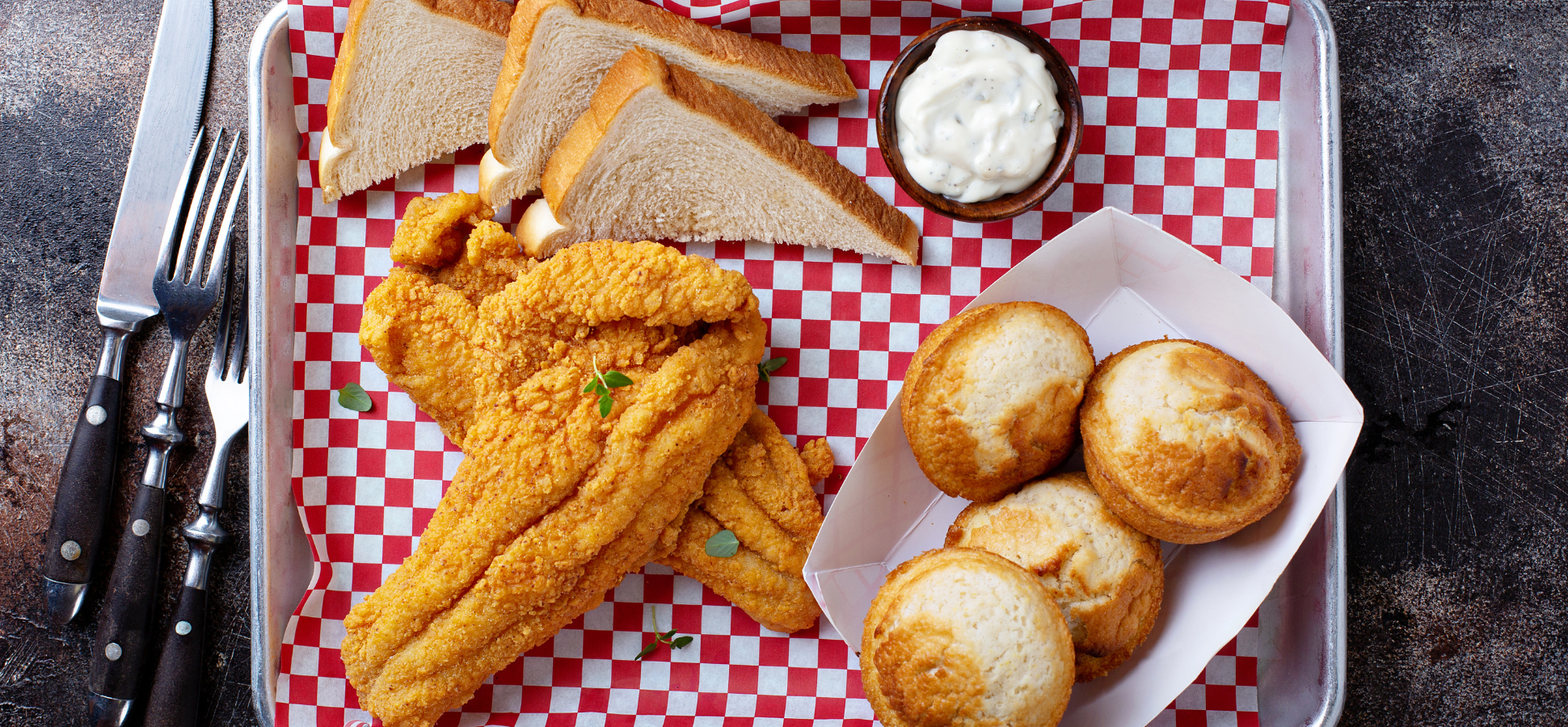
The Chesapeake Bay is facing a big, blue problem, aggressive 5ft long, 100lb catfish are taking the Bay by storm, throwing the ecosystem out of balance. To remedy the issue, the Maryland Department of Natural Resources (DNR) encourages consumers to eat them either store or restaurant bought. The DNR has partnered with state institutions such as universities, prisons, hospitals, and public schools. Maryland’s Best Agriculture has a list of grocers and restaurants that carry blue catfish from the Chesapeake Bay. This increase in blue catfish consumption not only aids the environment but with the economy as well.
Why is this an issue?
Blue catfish were introduced to the Chesapeake Bay in the 70s and are considered an invasive species. Invasive species are species of plants or animals that are non native to the area in question. Since the catfish’s introduction to the bay, the population has skyrocketed to between 700 million and 1 billion pounds. A blue catfish can grow up to 5ft long and 100lbs and has no known natural predators found in the Chesapeake Bay. The fish can consume up to 80 species in the bay and does so including juvenile crabs which is an issue in its own. Maryland’s plan is to turn the consumer to the consumed.
Maryland
The state of Maryland suggests diners begin to consume the big issue. Contrary to popular belief, blue catfish aren’t bottom feeders like other catfish. They consume prey such as blue crabs, white perch, and striped bass and they taste like what they eat. Maryland has formally declared the fish invasive. The sitting Governor, Wes Moore, has attempted to declare a federal fisheries disaster on the issue, which would have brought in more resources, but it was denied last year. In Maryland and Virginia there’s no limit on how many catfish allowed to be caught, officials just want them out. The U.S. Department of Agriculture, USDA, has recently announced funding to add more catfish processors. Maryland Lawmakers recently proposed legislation to create a two-year program that looks further into the issue and look at other potential markets for blue catfish such as pet food. Last year, the state of Maryland received a $4.5 million grant to make fishing and processing blues more accessible, a majority of the grant will go toward expanding processing.
Blue catfish can be found on menus all over the state including in prisons, food banks, the University of Maryland, and even Camden Yard (That’s the Baltimore Orioles Park!) There is a federal law in place that requires a USDA inspector on sight during processing. For other fish just the FDA, Food and Drug Administration, is required. The requirement was created to help protect catfish farms from wild exports, but it hinders the wild market. There are few USDA representatives qualified to oversee the processing of Chesapeake Bay catfish as there is only one processing facility on the Easten shore in the form of Tilghman Island Seafood located in Tilghman, Maryland. As of 2025 the USDA is offering $6 million worth of grant money to fund seafood processors. The hope here is that it’s not too late to right past wrongs, that more facilities like Tilghman Island Seafood will pop up on the eastern shore. Individual grants range from $250,000 to $1 million from the USDA.
Outside of Maryland
Maryland is not the only state dealing with this big blue issue. In 2023, a grant program allowed the sitting governor to award up to $250,000 to businesses and entities that support blue catfish processing, flash freezing, and related infrastructure projects. Chefs in D.C have also jumped in on the blue cat wagon, a hospitality team as gone so far as to fishing 800lbs of catfish for their restaurants. There’s an estimated 1 billion pounds of blues in the bay but every bit counts.
Business
On the business side of things, blue catfish are affecting the livelihoods of recreational and commercial businesses. They compete with clammers, crabbers, and other fishers. Not only are restaurants getting in on the blues but so are grocers. In 2023, 400 Whole Foods nationwide put blue catfish out for sale. Midatlantic stores have been selling blue catfish for nearly a decade now. Whole Foods keeps fillets under $10 per pound, $7 during a sale. Keeping prices low and fillets available makes blue catfish more accessible.
Final Thoughts
Blue catfish are a big issue in the Chesapeake Bay and the way we can do our part as consumers is to eat them wherever we can find them, in restaurants, grocery stores, schools, and more. The more fish that end up on plates are less fish terrorizing the bay. A billion pounds of catfish are estimated to swim in the bay we do our part we can lessen population. These fish are invasive, they’re waging war on the native life in the bay, it’s our job as consumers to put the fish in check since there’s no known natural predators that can do so for us.