Culture has always been a catalyst for change in the DIY space, with the rise of television and home improvement stores giving homeowners the power to take repairs and decorating into their own hands. This trend was enhanced further during the 1980s and 1990s when home improvement shows like This Old House provided guidance and strategies for home renovations. The digital age is no different, with modern technologies providing homeowners with instant access to tips and tricks, products, and design tools for DIY home transformations.
How Digital Technology Has Changed the DIY Space
There are several key ways tech has changed DIY:
Instant Inspiration
Sites like YouTube and Pinterest offer homeowners the ability to view home makeovers and inspirational photos to give them ideas to use in their own homes. Users can save thousands of “pins” or videos to return to whenever they’re ready. Whatever challenges they’re looking to solve, whether it’s transforming a dark room or making DIY curtains, there will undoubtedly be someone out there who has encountered and solved the same issue.
This instant access allows homeowners to develop solutions to problems, invent innovative new ways to use everyday items, and find budget-friendly ways to do common household fixes. Projects that would have been out of reach for the average homeowner in decades past now seem doable and tangible. “If he could do it, so can I!”
Information at Your Fingertips
Not only is the online space useful for gaining inspiration, but homeowners can also access DIY videos, instructables, and other tutorials to perform projects they may otherwise not have the skills to complete. There are options for true beginners all the way to more complex projects for those who have more technical skills. In previous generations, homeowners called professionals, such as handymen, to tackle repairs and updates around the home. But online information sharing has now allowed even the most technically impaired homeowners to learn new skills and take on home projects on their own.
Brandon McCormick, Landscape Design & Product Development Director of Windowbox.com, says, “The digital age has revolutionized DIY home decor and gardening by making it easier than ever for people to access both raw materials and expert guidance. Online marketplaces offer a diverse range of materials that can be conveniently purchased with a few clicks, while the wealth of tutorials available through blogs, YouTube, and other platforms empowers homeowners and gardeners to complete projects with confidence and creativity.”
Easy Access to Supplies
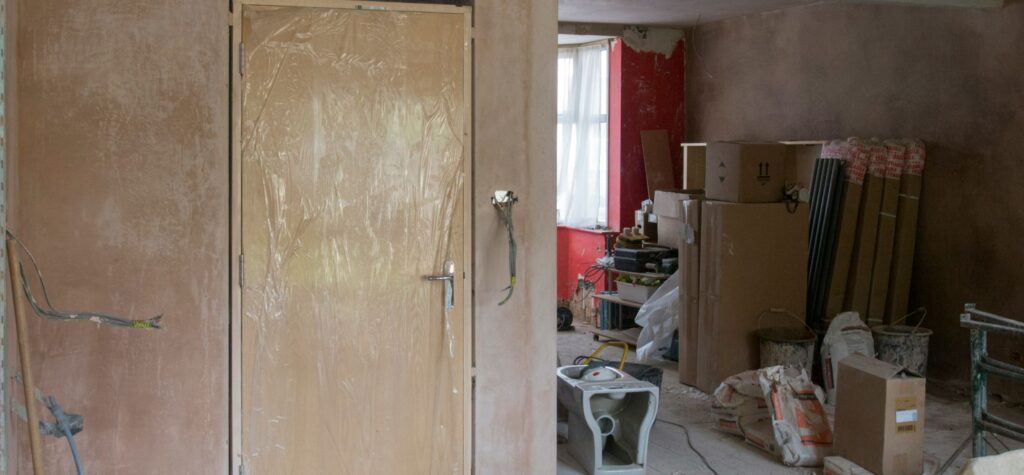
As DIY home improvement has grown in popularity, so has the number of online retailers catering to this demographic. You can not only find standard tools and building materials online, but you can also discover niche products for home and gardening updates, such as lighting, window boxes, home furnishings, chalk paint, floor coverings, and hardware. Many DIY blog posts and articles have links directly to products needed to complete projects, and online retailers specializing in home decor are available for virtually anything you can dream up.
The Rise of AI
The introduction of AI technologies has changed the DIY landscape even more than earlier technologies. Now, you can upload a photo of your space, and an AI generator will instantly add new paint colors, furniture, and decor. Some will add links to online retailers where you can purchase the items recommended. AI generators range from free to more sophisticated options that can digitally redecorate or remodel your entire home with instructions, tutorials, and product links.
How to Successfully Use Tech for DIY
While technological advances have made accessing and using DIY tools easier than ever, there are a few issues you should keep in mind before you get started.
Be Creative
Online tools have made decorating your home easier and allow for greater creativity, but it’s easy to get caught in the trap of comparison. Remember that your home is your space. While you may find numerous opinions online for what you “should” and “shouldn’t” do when updating your home, you should keep in mind that trends are ever-changing, and the most important aspect is your own joy when entering your home.
It’s also important to remember that more expensive doesn’t always mean better. If you see an idea that is out of budget, you can almost always find a budget-friendly alternative you’ll love just as much. Be patient, and avoid comparing your home to those you see online.
Develop a Plan

With so many options at your fingertips, it can get overwhelming. Come up with a theme or design that you love, and then stick with it. It’s easy to get decision fatigue when the choices are endless. Designing on paper first, or using an online design or AI tool, can help. Once you have a picture of what you want, find products that match. This can cut down on the hours of searching and second-guessing.
Know Your Limits
Sites like YouTube have given homeowners access to instructions and tips for completing tasks non-professionals wouldn’t have dreamed of doing on their own in past generations. While there are lots of tasks homeowners can tackle, it’s important to know when you have reached your personal limits. Some projects, such as painting or floral design, can be easily undone if something goes awry. Other tasks, like taking down walls or fixing your plumbing, are more critical for the safety of your home. If you have any doubts about completing a project when it involves mechanical systems such as electrical, plumbing, foundation work, load-bearing walls, or HVAC, it’s better to hire a professional than to risk your home or safety trying to do it yourself.