
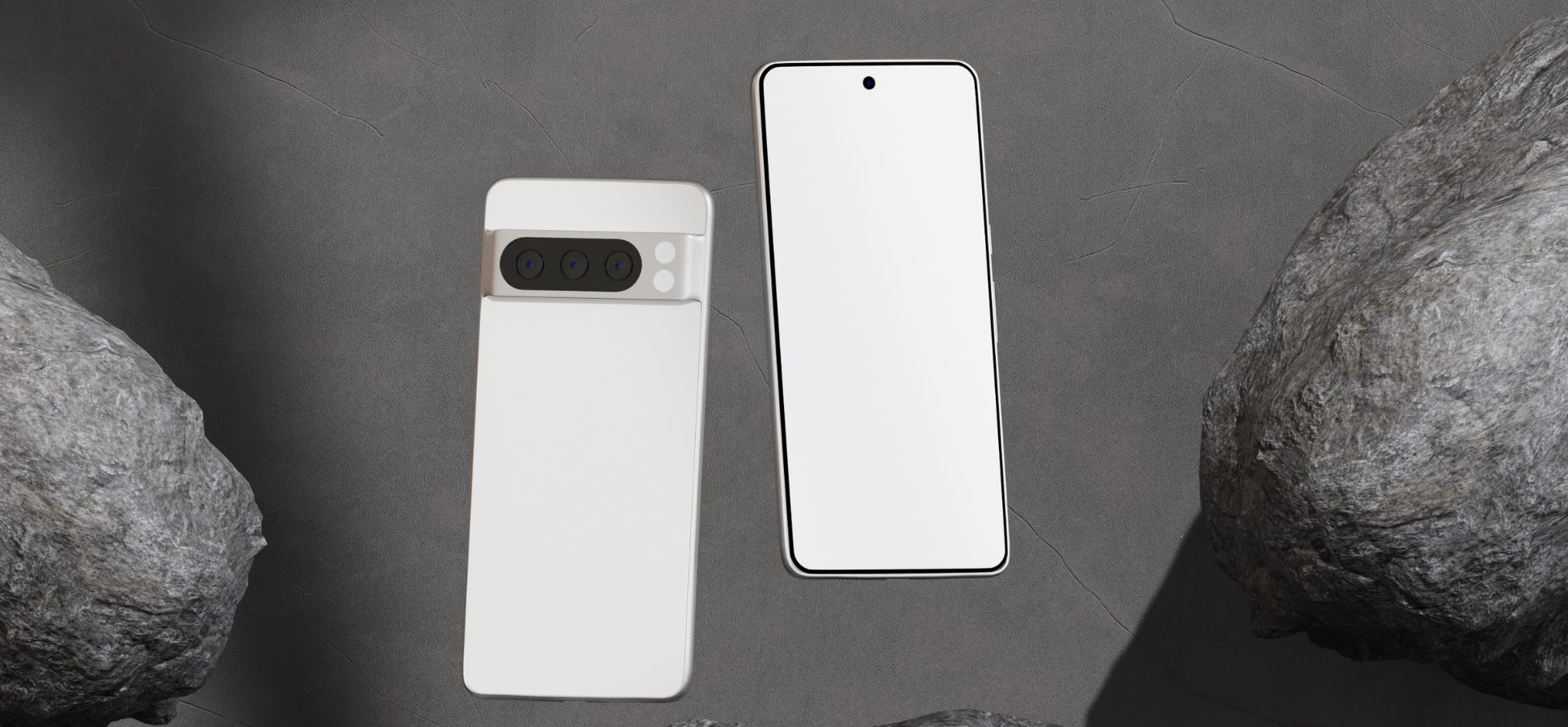
The Made by Google 2025 event showcased the latest advancements in Google’s hardware, with the Pixel 10 series taking center stage. The event, marked by commentary from Google’s head of devices and services, Rick Osterloh, highlighted the company’s commitment to integrating artificial intelligence directly into its devices. Osterloh emphasized Google’s progress in AI, noting that “Gemini is the real deal,” a statement that drew subtle comparisons with competitors in the smartphone space.
Key Announcements from the Event
- Pixel 10 Series Launch: The new Pixel 10, Pixel 10 Pro, and Pixel 10 Pro XL were officially revealed, featuring the Tensor G5 chipset and a focus on on-device AI processing. The devices maintain similar pricing to previous models, with the Pixel 10 starting at $799 and the Pixel 10 Pro XL available at $1,199 for the 256GB variant.
- Pixel Watch 4 Introduction: Google introduced the redesigned Pixel Watch 4, featuring a domed Actua 360 display, slimmer bezels, and a side-mounted charger. The display and battery are now replaceable, enhancing repairability and longevity.
- Magnetic Wireless Charging Accessories: Embracing the Qi2 wireless charging standard, Google’s new Pixel 10 series includes built-in magnets for secure attachment of chargers and accessories. The Pixelsnap Charger offers up to 25W wireless charging and compatibility with existing Qi2-certified devices.
- Pixel 10 Pro Fold: Google’s latest foldable device, the Pixel 10 Pro Fold, is the first in its category to achieve an IP68 rating for dust and water resistance. The foldable features a new gear-less hinge design for improved durability.
- Pixel Buds Updates: The Pixel Buds Pro 2 will receive AI-powered features such as Adaptive Audio and Loud Noise Protection, while the new Pixel Buds 2A offer active noise cancellation, Gemini access, and a replaceable battery.
- AI-Powered Fitbit Health Coach: Google demonstrated a forthcoming AI-powered health coach for Fitbit, designed to deliver personalized coaching and fitness regimens, leveraging insights from professional athletes like Stephen Curry, who has joined Google as a performance advisor.
AI at the Core of Google’s New Devices
The Pixel 10 series is distinguished by its deep integration of generative AI, particularly within the camera system. Features such as Pro Res Zoom utilize diffusion models to enhance digital zoom capabilities, producing clearer images even at high magnification levels. On-device AI is a central theme, with the new Tensor G5 chipset delivering significant performance gains for AI-driven tasks.
Google’s focus on practical AI applications extends to productivity features, such as automatically organizing events from emails and improving voice assistant interactions. The company’s approach aims to make AI not just a buzzword but a functional tool for everyday use.
Hardware Innovations and Ecosystem Expansion
Beyond AI, the Pixel 10 lineup introduces hardware improvements like magnetic charging and enhanced durability for foldable devices. The Pixel Watch 4’s new display technology and repairable components address common pain points for smartwatch users, while updates to the Pixel Buds series underscore Google’s commitment to audio innovation.
The integration of the Qi2 standard and compatibility with a wide range of accessories positions Google’s devices as flexible options for business owners and tech enthusiasts seeking seamless connectivity and convenience.
Implications for Business Owners and Startups
For US business owners and startup founders, Google’s latest hardware represents an opportunity to leverage advanced AI features for productivity, communication, and health management. The emphasis on repairability and accessory compatibility may also appeal to organizations focused on sustainability and cost efficiency. As Google continues to push the boundaries of AI integration, the Pixel 10 series could set new standards for what users expect from their mobile devices.


