In 2025, artificial intelligence has taken a bold leap forward — from chatbots and recommendation engines to fully autonomous digital replicas of real people. These AI-powered “clones,” also known as digital doppelgängers, are trending across social media, entertainment, and even business sectors, blurring the lines between human and machine in ways we’ve never seen before.
What Are AI Clones?
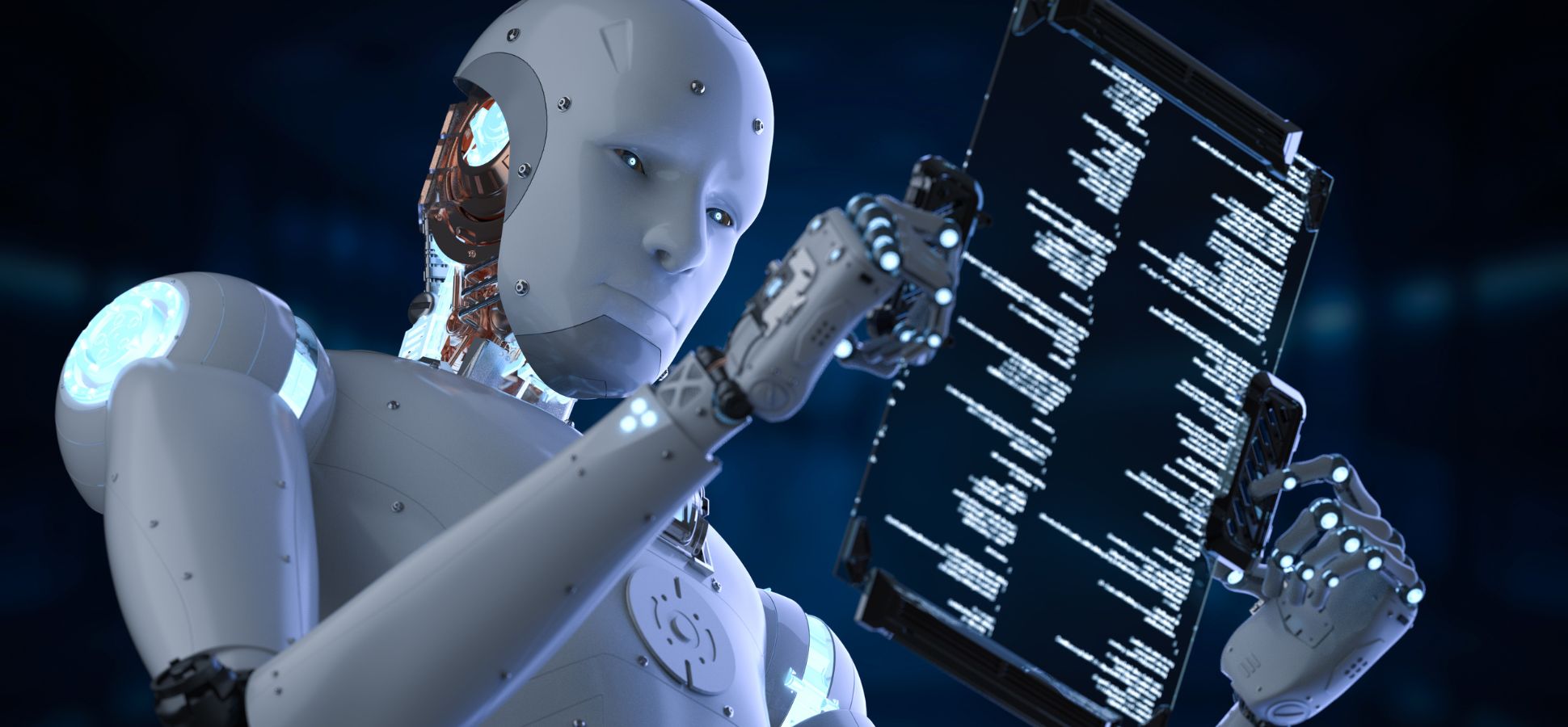
AI clones are hyper-realistic digital replicas of individuals — celebrities, influencers, or even everyday users — powered by deep learning models that replicate a person’s voice, mannerisms, and facial expressions. Companies like SynthMind AI, MetaHuman Lab, and Replikate are leading the charge, offering services where people can “train” a digital version of themselves to act, speak, or perform in their stead.
Imagine a virtual assistant that not only schedules your appointments but looks and sounds exactly like you. Or a musician who releases a new album, entirely created and performed by their AI version, while they’re vacationing in Bali.
Why Is This Trending Now?
Three major developments have made AI clones explode in popularity this year:
- Mainstream Adoption by Celebrities: Keanu Reeves and Billie Eilish recently revealed AI versions of themselves that appear in virtual concerts and promotional content, sparking curiosity and debate.
- Creator Economy Expansion: Influencers are using AI clones to manage brand deals, create 24/7 live streams, or engage with fans on multiple platforms at once — multiplying their reach without burnout.
- New Monetization Opportunities: Platforms like “Clonr” allow users to license their AI selves for marketing, acting gigs, or personal coaching, unlocking passive income potential.
The Ethical Dilemma
As with all tech revolutions, there’s controversy. Deepfake misuse, identity theft, and consent issues have sparked backlash. Who owns your digital likeness? What happens when your AI version does something you wouldn’t approve of? Several countries are now pushing for strict regulations under the “Digital Personhood Act,” which could become the GDPR of AI cloning.
Future Implications
The rise of digital doppelgängers could reshape everything from remote work and online education to dating and mental health support. Imagine therapy sessions led by a calm, AI-trained version of your future self — or job interviews conducted by your AI clone with perfect confidence and communication.
But one thing’s clear: as AI gets better at being us, we’ll need to decide what truly makes us human.
Final Thought
The AI clone trend is no longer science fiction — it’s a social, economic, and ethical reality. Whether it’s empowering or unsettling, this is one tech trend that’s forcing everyone to rethink identity in the digital age.