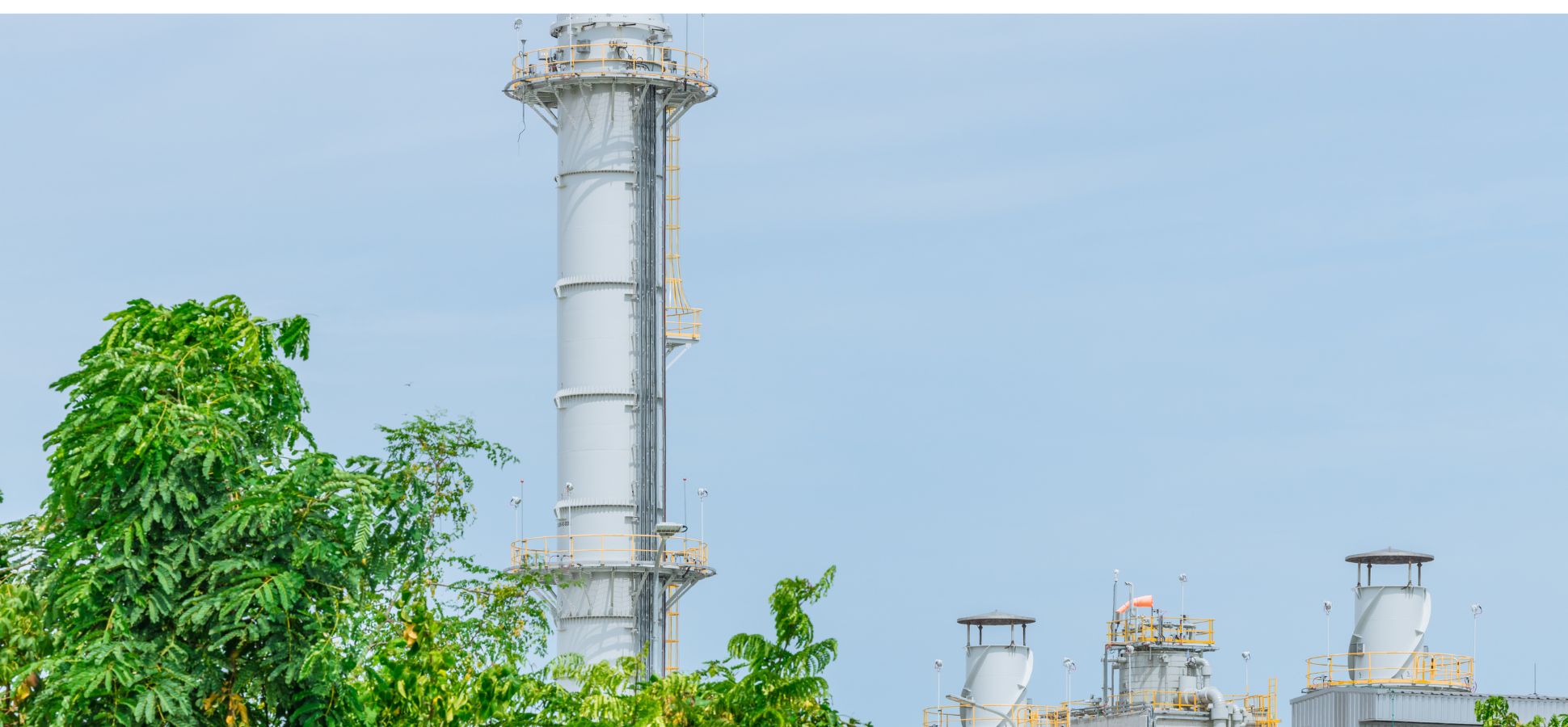
People from all around the globe are becoming more environmentally-conscious by the day. As a result, adopting sustainable business practices has been trending for the last handful of years. As public opinion on climate issues continues to follow this trend, businesses and governments have been following suit with adopting low-carbon practices.
Many customers find sustainable, renewable practices appealing and more and more people are expressing their opinions and influence through who and what they’re spending their money on. Appealing to these climate-conscious interests is a great way to secure more customers for your business.
Now, before you install a 300-ft wind turbine next to the dumpsters behind your business and throw out your energy bills, there are a couple things to consider. First, not every business has a large enough carbon footprint to warrant dramatic energy transitions. Second, while you can save money in the long run, switches like these can be short-term logistical and financial nightmares.
Let’s break down the pros and cons of adopting sustainable, low-carbon business strategies.
Benefits of Low-Carbon Strategy:
REDUCED OVERHEAD
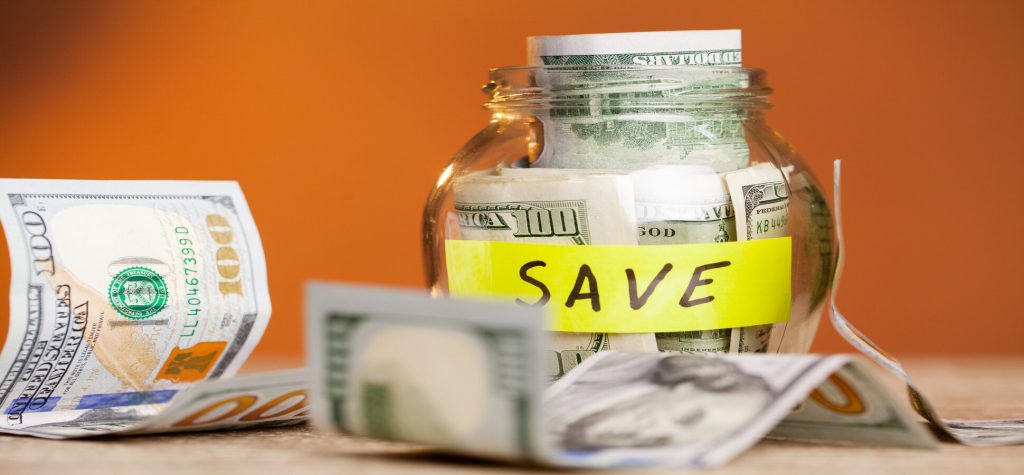
Energy sources like solar panels lower the operating expenses of your business’s energy bills. Using them long enough and they pay for themselves, effectively giving you ‘free’ energy after enough time has passed. Who doesn’t want to reduce their reliance on money-hungry utility companies?
Energy-efficient windows are effective at not letting the heat escape from your office space, reducing your heating costs. Multi-pane windows can reduce cooling costs as well, preventing insane heat transfer. All these mean less money spent on maintaining elements of your business and more money staying in your pocket.
REDUCED WASTE
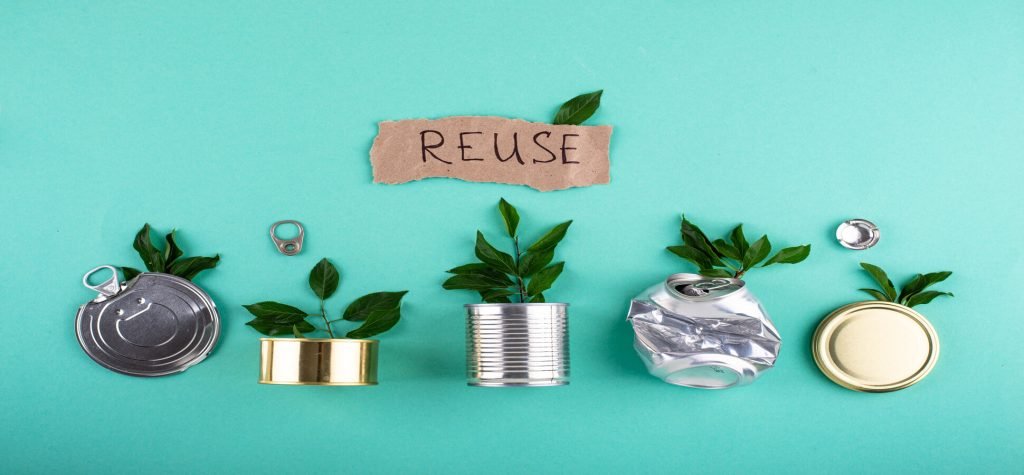
Eliminating sources of waste for your business can save money as well. While commercial waste disposal costs aren’t ludicrous, saving a couple hundred bucks can be quite impactful for a small business. Think of all the different products and services your business utilizes, and explore alternatives that don’t use as much waste. Your own product or service may produce unnecessary waste, eliminating that for yourself and customers will be rewarding.
POSITIVE IMAGE
Your business making that transition to sustainable and low-carbon practices shows others that not only are you flexible and environmentally-conscious but competent as well. Not everyone is capable of making a shift like this, so you pulling it off sets an example for other companies and builds public trust.
SPONSORSHIP OPPORTUNITIES
There are many groups and initiatives whose ambition is to increase the proliferation of sustainable, low-carbon strategies amongst businesses. They are willing to invest in your business in exchange for you implementing said strategies. Enjoy the increased engagement and promotion of your brand’s new image!
Low-Carbon Transition Risks:
TRANSITION COSTS
The initial switch costs a chunk of change for your business. In the short-term, you can expect to feel the costs of energy-efficient products like solar panels or multi-pane windows. You won’t experience benefits like reduced energy costs immediately after the transition. On the bright side, some areas offer credit for installing clean energy products.
TRANSITION PAINS

I believe we all know the pain of a paper straw. Why would anyone enjoy sipping their drink through a rolled up newspaper? Unfortunately, not all environmentally-friendly technologies have evolved enough to be considered worth adopting for many businesses. Consider what has been a success for other companies similar to your own before hopping on the tree-hugging bandwagon.
TIME
The efficacy of a low-carbon, sustainable shift is measured in years, not months or weeks. Not every enterprise can risk dramatic shifts for the sake of appealing to the public or avoiding mass extinction via global greenhouse gassing. Consider what changes your business can actually handle before doing anything drastic.
How Do I Make the Low-Carbon Transition?
Now this is no How-To article, this is just a documentation of the benefits and drawbacks of a sustainable business. However, I am nothing if not helpful when I’m forced to be, so I’ll provide some examples for you to get the gist of what I’m talking about. Here are a couple elementary ways to test the waters for becoming a low-carbon, sustainable business:
- Reduce your business’s plastic usage across the board. Microplastic contamination has been causing some well-deserved scares across age groups, especially amongst the younger generations. From plastic cutting boards in your restaurants to the plastic wrappers your office supplies come in, there’s more to cut out than you think. Make sure to be as loud as possible and advertise your anti-plastic switch.
- Optimize energy usage for your business. Opt for low-consumption lighting, maximize the utility of your indoor and outdoor spaces to reduce need for cooling and heating. Properly placed energy-efficient windows can save you up to 30% of your office’s heat.
Try these practices out and see how manageable they are for your company to implement. If you experience success in the form of increased customer volume, reduced costs, or favorable public opinion, consider following up with some even bigger changes.
How do you feel about adopting sustainable practices? Share your thoughts in the comment section below!