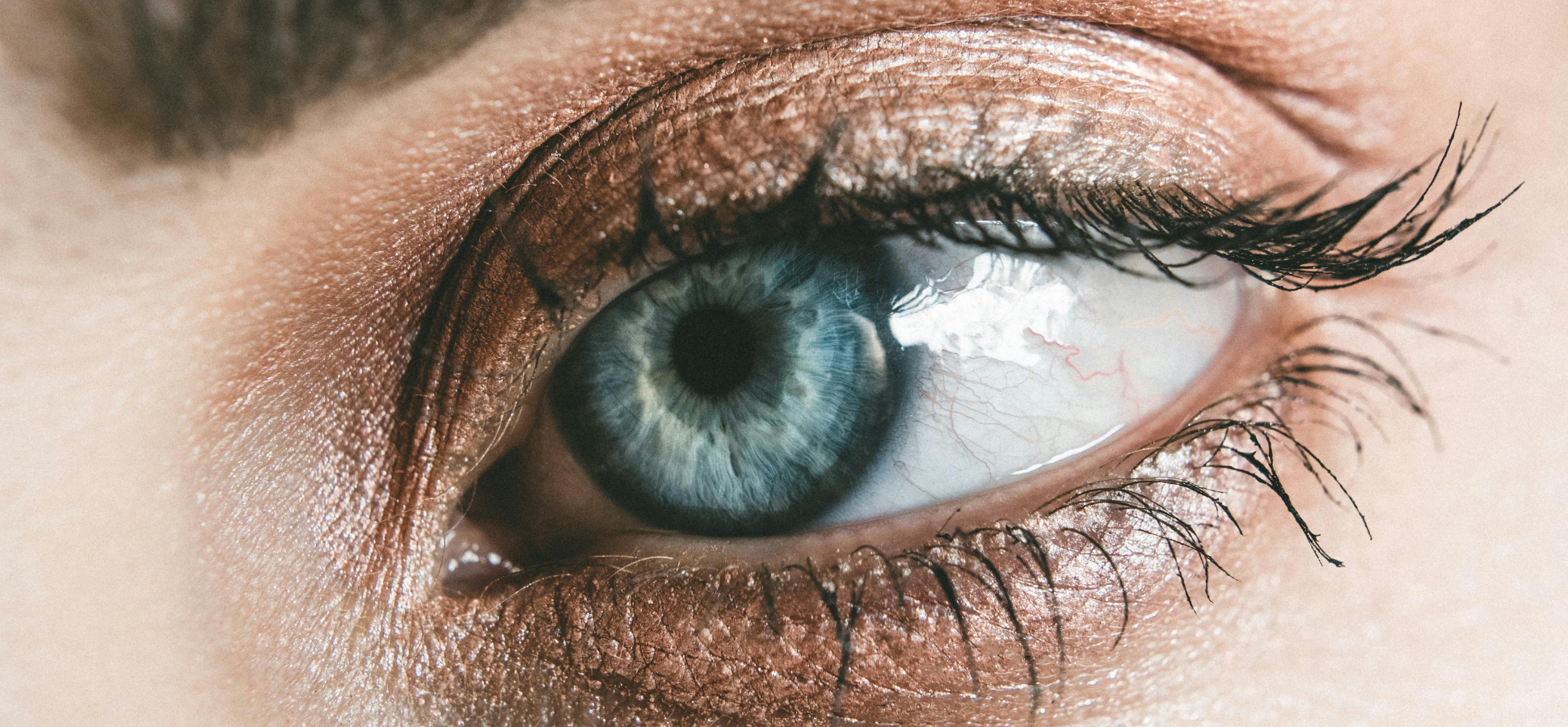
According to a study published in the journal Eye, 1.1 billion people globally are experiencing the consequences of vision loss, mainly due to a lack of access to eye care services. This number is projected to rise to 1.8 billion by 2050 if no significant investments in eye health systems are made to address the growing demand for vision care.
Meanwhile, the World Health Organization says that at least 2.2 billion people worldwide have a near or distant vision impairment, and at least one billion of these cases could have been prevented or are yet to be addressed.
With concerns over eye health starting to take center stage globally, the need to prioritize vision has become more important than ever. Here’s a look at the growing eye health issues worldwide and what you can do to maintain your ocular health:
Growing Eye Health Concerns
Myopia, or nearsightedness, is among the most prevalent eye conditions globally. It occurs when the eyeball becomes elongated, which prevents the light entering the eye from bending correctly. This condition can be associated with excessive digital device use or near-vision work. It’s also a leading cause of vision impairment and blindness, according to the World Economic Forum. In 2020, it was estimated that around 2.6 billion people had shortsightedness, with numbers anticipated to rise to 3.4 billion by 2030. Another study published in the Ophthalmology Journal predicts that half of the global population will be nearsighted by 2050.
Another common eye problem is cataracts, which occur when the eye’s lens becomes too cloudy, leading to blurred vision and often requiring treatment from a cataract surgeon in Singapore. Cataracts are a leading cause of vision loss, accounting for 50% of blindness worldwide, according to the National Institutes of Health. Although most cataracts develop with age, other factors, like excessive UV exposure, can damage lens proteins and contribute to the disease. Studies show that the global disability-adjusted life years, a measure of overall disease burden, caused by cataracts rose by 91.2% from 1990 to 2019, signaling an increasing trend.
Meanwhile, glaucoma, which occurs when too much pressure in the eye damages the optic nerve, is another eye issue linked to age and increased sunlight exposure. It is the second leading cause of blindness globally, affecting an estimated 57.7 million people.
Given the growing prevalence of eye issues worldwide, prioritizing vision health has never been more critical. A Johnson & Johnson Vision global survey found that 80% of adults consider eye exams important. However, only 46% of the respondents get an eye test annually, indicating that more needs to be done to foster eye-healthy habits and preserve vision health.
Eye-healthy Practices
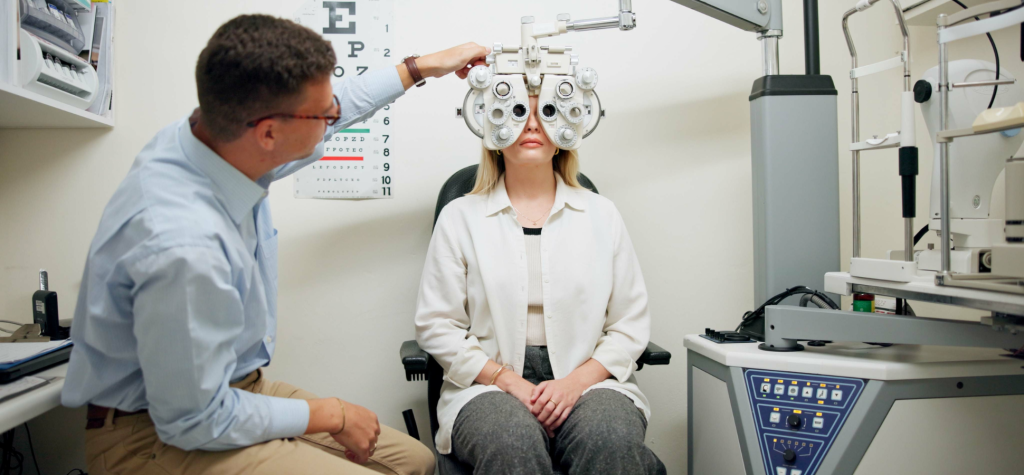
While policy changes and more comprehensive and effective eye care services are needed around the globe, individual habits can go a long way in managing eye health. Comprehensive eye exams and eye specialist in Singapore, for instance, can help assess your vision health and detect early signs of ocular issues like myopia and cataracts, allowing you to prevent them from progressing. These eye tests can cover standard eye exam procedures as well as more in-depth check-ups that include tools such as an Ultra Wide Digital Retinal Scan and 3D Optical Coherence Tomography (OCT) exam for detecting serious vision problems. Retailers now allow customers to book an eye appointment at their nearest clinic online, enabling easier and better access to vision care. Experts recommend getting an eye test every one to two years, depending on specific circumstances.
Sunglasses are also crucial in blocking UV rays that can cause vision problems. However, experts warn that incorrectly wearing sunglasses can lead to sun damage, highlighting the need for sunglasses that have the proper fit and meet safety standards. These sunglasses can play an essential role in preventing eye diseases that stem from UV overexposure, such as cataracts and cornea and conjunctiva damage. Using artificial tears is also essential in treating dry eye disease, a condition also on the rise due to increased digital device usage.
However, users should be extra careful when checking the quality of eye drops, as some recalled products may cause bacterial contamination. Major retailer Walmart conducted a voluntary recall of certain artificial tears brands in 2023 to comply with FDA recommendations.
The rising cases of ocular conditions worldwide have become a serious source of concern. Eye-healthy practices and early interventions are necessary to preserve the vision health of the global population.