
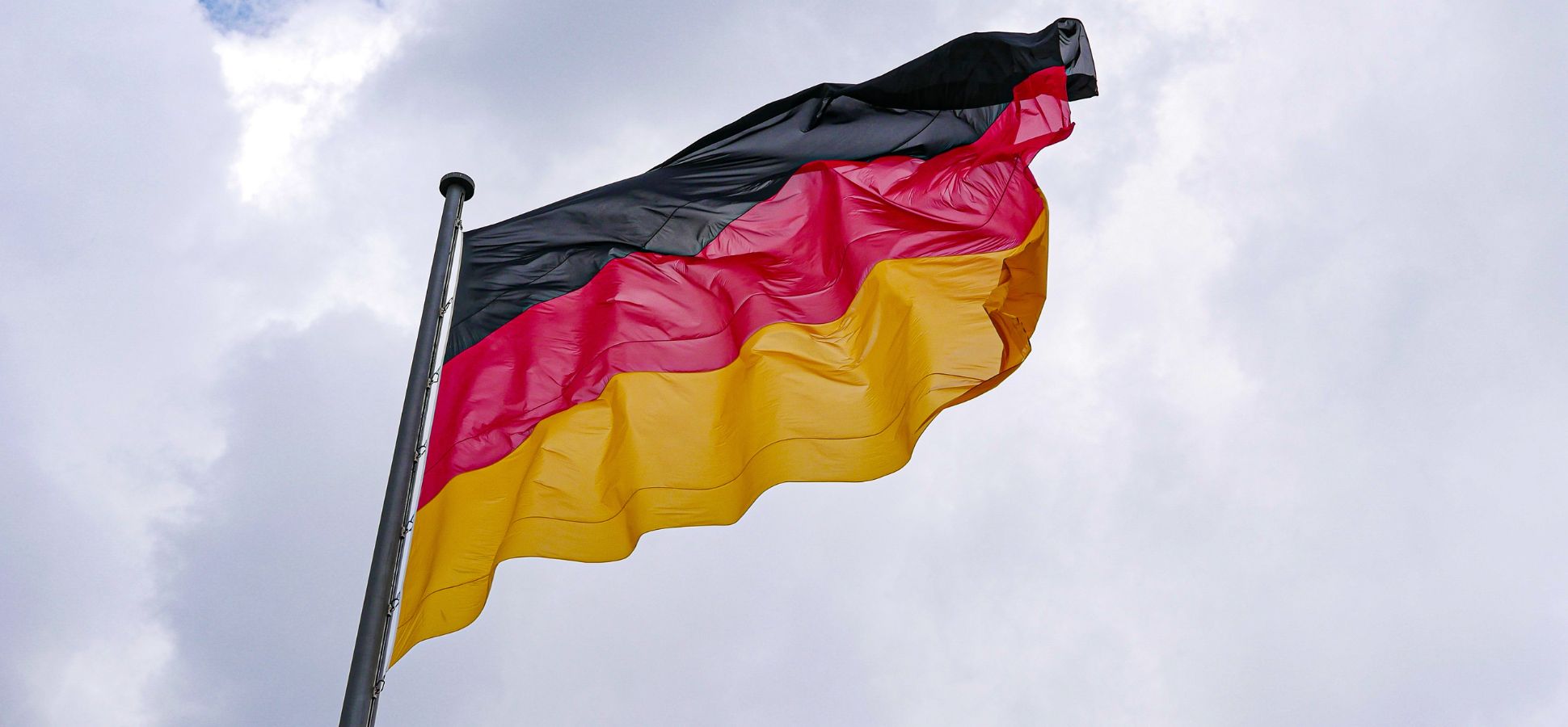
At the close of 2024, Europe’s economy showed no growth, with the 20-nation eurozone experiencing stagnant gross domestic product (GDP) figures. Germany, the eurozone’s largest economy, faced its second consecutive year of declining output, with GDP shrinking by 0.2% in the final quarter of 2024. This marks a significant downturn from the 0.4% growth observed in the previous quarter. The outlook for 2025 has also been revised downward, with Germany’s growth forecast reduced from 1.1% to 0.3%.
Germany’s Economic Struggles
Germany’s economic downturn is attributed to a combination of factors, including the loss of affordable energy supplies from Russia and ongoing bureaucratic inefficiencies. The country’s economic challenges have been exacerbated by political gridlock in Berlin, where months of internal disputes over economic strategies have left the government struggling to implement reforms. This has contributed to a broader sense of uncertainty, particularly regarding government spending, taxation, and regulatory policies.
Political Instability Adds to Uncertainty
In addition to economic difficulties, both Germany and France are dealing with political instability that further complicates the economic outlook. Germany’s political turmoil, largely stemming from the breakdown of Chancellor Olaf Scholz’s governing coalition, may stabilize following national elections scheduled for February 23. In France, political deadlock is expected to delay the country’s recovery efforts, with the next election not scheduled until at least July. This ongoing uncertainty casts doubt on the implementation of necessary budgetary reforms.
International Relations and Global Pressures
Europe’s export-driven economy faces further challenges due to evolving global dynamics, particularly the recent shift in U.S. administration. The proposed increase in import tariffs by the U.S. government adds another layer of complexity for European businesses, while the slow adoption of electric vehicles in Germany has put pressure on the country’s supply chains. Despite these hurdles, the European Central Bank is expected to lower interest rates in a bid to stimulate growth, though this may stoke inflation concerns, particularly as energy prices continue to rise.
Cautious Consumer Behavior
Consumer sentiment across Europe remains subdued, with many households wary of rising inflation expectations. The EU’s economic sentiment index highlights a growing unease among consumers, who are cautious about their spending habits following the inflation peak of 10.6% in October 2022. Economists note that this cautious approach to consumption could further delay the region’s recovery, especially as families prioritize saving over spending amidst an uncertain economic future.
A Complex Path to Recovery
As Europe grapples with stagnation, political instability, and global economic pressures, the road to recovery remains fraught with challenges. The interplay between domestic policies, international relations, and consumer behavior will shape the continent’s economic future, with both risks and opportunities ahead.


