
When you think about great leadership, one thing becomes clear: exceptional communication is the foundation. Leaders who inspire, connect, and empower their teams often use a set of communication skills that elevate them above the rest. Let’s explore these secrets, starting from the last and working our way to the first.
7. They Inspire Through Storytelling

Stories are powerful tools that connect emotionally and drive action. Exceptional leaders use storytelling to illustrate their vision, reinforce values, and celebrate successes.
Oprah Winfrey, the media mogul, is known for her ability to inspire through stories. Whether on her talk show or during interviews, Oprah connects deeply with audiences by sharing personal anecdotes and highlighting others’ experiences.
Share personal experiences or stories about team wins to motivate and inspire your group.
6. They Lead with Empathy

Empathy is the cornerstone of effective leadership communication. Great leaders take the time to understand their team members’ perspectives and emotions, responding with care and compassion.
Jacinda Ardern, former Prime Minister of New Zealand, demonstrated empathetic leadership during the Christchurch mosque shootings. Her heartfelt communication and willingness to listen set a global example of compassionate leadership.
When delivering feedback, start by acknowledging the individual’s effort and contributions. This softens the impact of any critique.
5. They Simplify the Complex

The ability to distill complex ideas into simple, digestible concepts is a hallmark of exceptional leaders. They avoid jargon and focus on clarity, ensuring everyone understands the vision and next steps.
Richard Branson, founder of Virgin Group, champions simplicity. He famously stated, “Complexity is your enemy. Any fool can make something complicated. It is hard to make something simple.” Branson’s knack for breaking down ideas has been key to his success.
Use analogies and stories to explain complicated ideas. People remember stories far better than statistics.
4. They Encourage Open Dialogue

Top-tier leaders create an environment where open and honest communication thrives. They make it safe for people to share ideas, even if those ideas challenge the status quo.
Satya Nadella, CEO of Microsoft, transformed the company’s culture by fostering open dialogue. Employees under his leadership felt empowered to share ideas and take risks, resulting in a surge of innovation.
Regularly ask open-ended questions like, “What’s one thing we could do better as a team?” to spark meaningful discussions.
3. They Master the Art of Nonverbal Communication

Words matter, but nonverbal cues can make or break a leader’s message. Great leaders consciously use their facial expressions, gestures, and posture to reinforce trust and confidence.
Steve Jobs, co-founder of Apple, was a master of nonverbal communication. His iconic product launches captivated audiences through deliberate movements, confident posture, and perfectly timed pauses.
Record yourself speaking and review your body language. Are you projecting confidence and approachability?
2. They Tailor Their Message to Their Audience
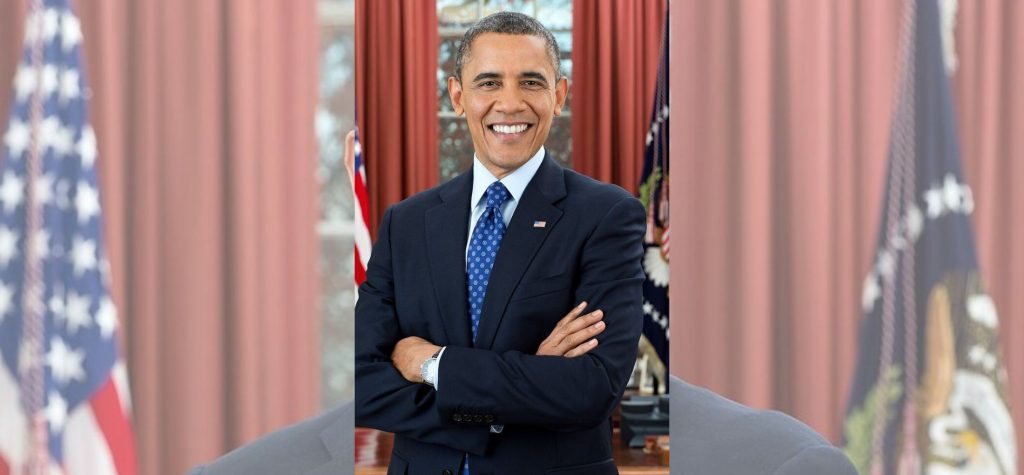
Exceptional leaders know their audience and adjust their communication style to fit. Whether addressing a group of executives or motivating employees, they resonate by aligning their tone, language, and delivery with the listener’s needs.
Barack Obama, former U.S. President, excelled at tailoring his speeches. He used relatable anecdotes with the public and data-driven arguments with policymakers, ensuring his message resonated with diverse groups.
Pro Tip: Before speaking, ask yourself, “What does my audience care about most?” and frame your message accordingly.
1. They Listen More Than They Speak

The most effective leaders prioritize listening. They actively seek out their team’s ideas, concerns, and feedback, building trust and ensuring everyone feels heard.
Warren Buffett, one of the world’s most successful investors, is celebrated for his listening skills. He emphasizes the importance of understanding others’ perspectives and encourages his team to share ideas freely.
Practice reflective listening. Paraphrase what you hear to ensure understanding, and watch your conversations transform.
Communication Is Your Superpower
Leadership isn’t just about making decisions—it’s about building relationships and inspiring trust. These seven communication secrets, proven by iconic leaders, can elevate your leadership game. By starting with these habits, you’ll not only connect with your team but also create a culture of collaboration and success.
Which of these secrets will you practice first?