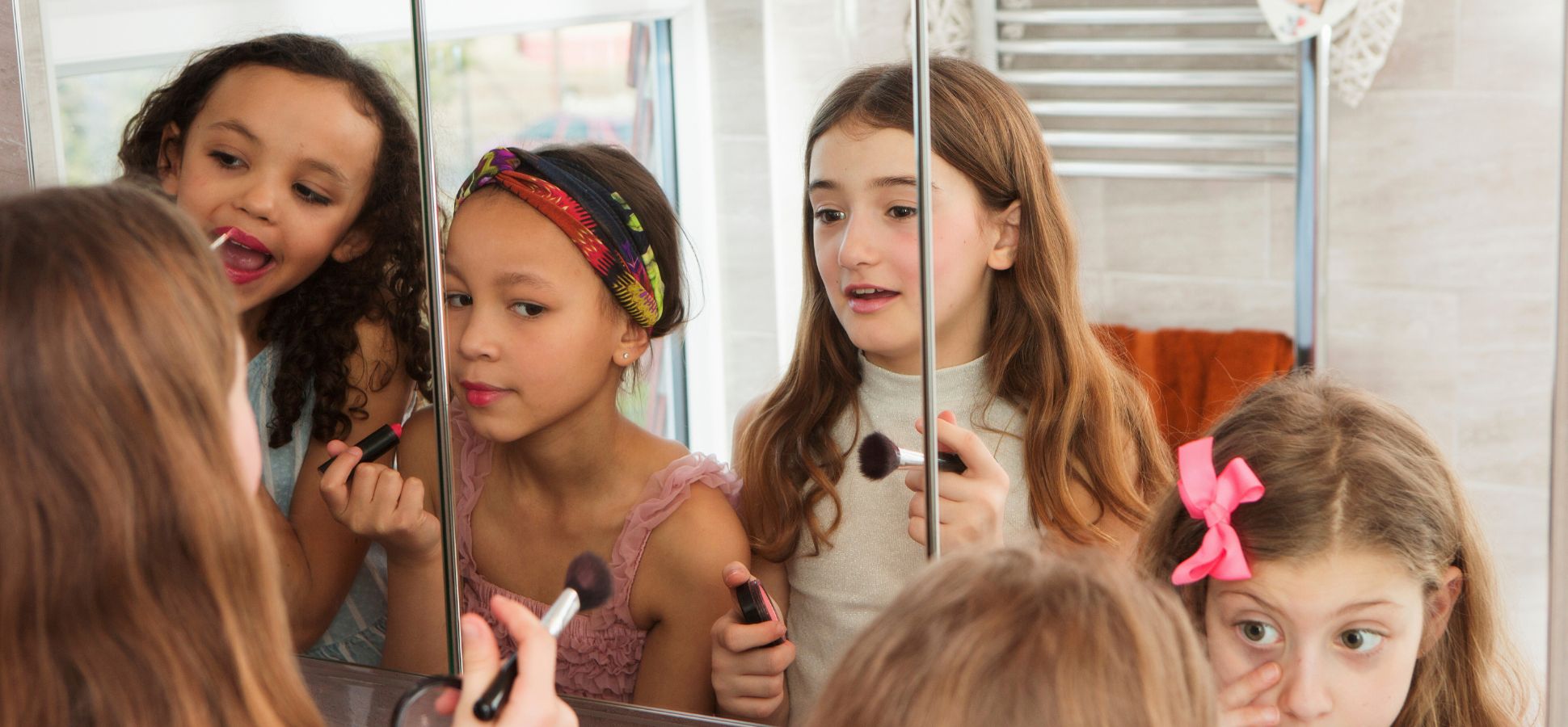
As social media’s influence grows, a troubling trend is emerging among young girls: the premature use of anti-aging skincare products. Take Scarlett Goddard Strahan, for example, who at just 11 years old, is already deeply involved in an adult-like skincare routine. She’s not alone—across the U.S., many preteens are drawn to the beauty ideals pushed by influencers on platforms like TikTok and YouTube. These young girls, eager to achieve a flawless complexion, are turning to products designed for adults, often with harsh ingredients that their sensitive skin can’t handle. The consequences? Dermatologists warn that using such products can lead to serious skin damage, including rashes and chemical burns.
The Mental Toll of Chasing Beauty Ideals
But the impact isn’t just skin-deep. The pressure to meet these unrealistic beauty standards is also taking a toll on young girls’ mental health. Experts warn that constantly striving for perfection can harm self-esteem and body image, potentially triggering anxiety, depression, and even eating disorders. The endless stream of “perfect” images on social media only amplifies feelings of sadness and inadequacy, with data showing a strong link between time spent on these platforms and negative mental health outcomes.
Social Media’s Role in Shaping Skincare Habits
The obsession with skincare among young girls is rooted in a digital world overflowing with filtered images and persuasive marketing. As these idealized versions of beauty flood their screens, young girls face immense pressure to live up to standards that are, quite frankly, impossible to achieve. Kris Perry, executive director of Children and Screens, highlights how this relentless pressure is leaving lasting scars on girls’ self-esteem and sense of worth.
The Beauty Industry’s Unchecked Influence
The beauty industry isn’t just noticing this trend; it’s profiting from it. Kids under 14 are now driving significant sales, with families spending more on skincare than the average American household. Despite knowing that many of these products aren’t safe for children, the industry has yet to impose meaningful restrictions, allowing young users to access potentially harmful skincare without adequate guidance.
The Push for Regulation
In response to these concerns, some lawmakers are pushing for regulations to restrict the sale of anti-aging skincare to kids under 13. Although a recent bill aimed at this issue didn’t pass, advocates aren’t giving up. They’re calling for the beauty industry to take responsibility and protect young consumers from harmful ingredients. The European Union’s regulations limiting retinol in over-the-counter products offer a possible model for similar protections in the U.S.
Parental Vigilance on the Rise
As awareness of these risks grows, more parents are taking steps to protect their children. Many are seeking expert advice and simplifying their kids’ skincare routines to just the basics, like mild cleansers and sunscreen. This shift reflects a growing recognition that health and well-being should come before the societal pressures to look a certain way. Parents are beginning to push back against the toxic beauty standards that are increasingly targeting their children.