
An infected or rotting tooth is treated with a root canal, a type of dental surgery. Restoring the tooth’s functionality and stopping further infection entails extracting the injured pulp from the tooth and replacing it with a biocompatible material. More than 15 million root canals are done every year, emphasizing how common it is.

Many warning signs could indicate the necessity of a root canal. If you’re facing tooth discomfort or extreme sensitivity, you might avoid tooth extraction by getting dental care immediately. Understanding what could point towards getting a root canal is critical to seeking dental help when necessary.
Tooth Pain
One of the most significant signs that you may need a root canal is persistent tooth pain. The pain may be severe and throbbing and can be exacerbated by biting or chewing. You may feel a continuous ache or sharp pain that does not go away with over-the-counter pain relievers.
The intensity of the pain may fluctuate, but if it lingers for an extended period or wakes you up at night, it could be a strong indicator of an infected tooth that requires a root canal.
Extreme Teeth Sensitivity

Another warning indicator that you may need a root canal is heightened sensitivity to hot or cold temperatures. If you have sharp, shooting pain when consuming hot or cold foods or beverages, it could result from nerve damage or infection within the tooth.
This sensitivity may persist even after the hot or cold stimulus is removed. While tooth sensitivity can have various causes, it is essential to consult a dentist to determine if a root canal is necessary if it is severe and persistent.
Tenderness and Swelling
Inflamed or infected dental pulp can lead to swelling and tenderness in the surrounding gum tissue. If you notice swelling or a pimple-like bump on the gum near the affected tooth, it may indicate an abscess, a pocket of pus resulting from an infection.
The area may feel tender to the touch and cause discomfort or pain. Swelling and tenderness indicate that you may require a root canal to address the underlying infection and prevent it from spreading further.
Tooth Discoloration
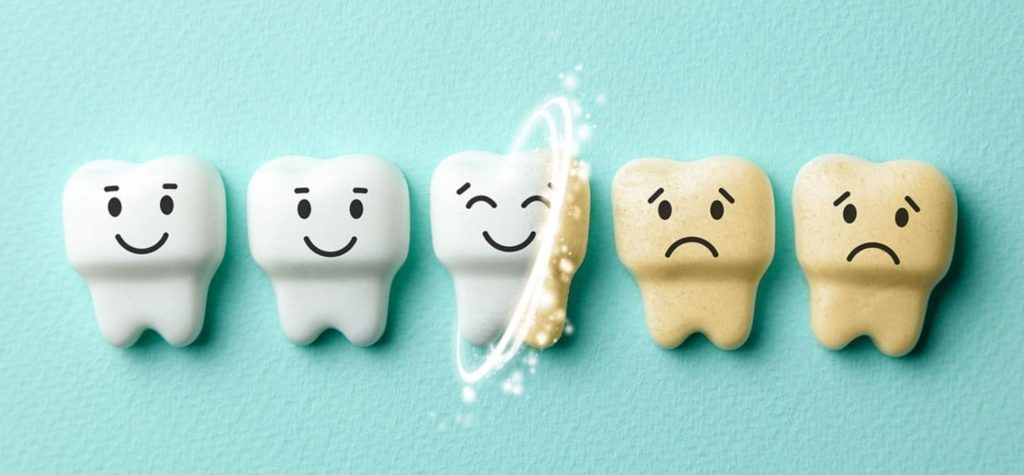
A tooth that has been through significant decay or trauma can appear discolored compared to the surrounding teeth. The discoloration may range from a darkening or graying of the tooth to yellow or black spots in some areas.
Discoloration happens because the damaged pulp inside the tooth affects the blood supply, leading to changes in tooth color. If you observe a profound change in the color of one or more teeth, it is critical to seek dental attention immediately, as it may be a sign that a root canal is needed. Schedule a consultation where you can ask your orthodontist questions and where they have a chance to provide recommendations based on your teeth condition.
Receding Gums
The gums in the afflicted area may become irritated, inflamed, or red. It can also make you conscious of your smile.
You should see a dentist immediately if you see any changes in your gum tissue, especially around a particular tooth, to find out what is causing them and whether a root canal is required.
Persistent Bad Breath

An infected tooth can produce persistent bad breath or an unpleasant taste in your mouth. This occurs when the infection spreads to the surrounding gum tissue or forms an abscess, releasing foul-smelling bacteria or pus.
If you have good oral hygiene habits but still experience persistent bad breath or taste, it may indicate an infected tooth that requires a root canal to eliminate the source of the infection.
Loose Teeth
In some cases, an infected tooth may cause surrounding teeth to become loose or shift out of their normal position. The infection can affect the tooth’s supporting structures, including the bone and ligaments, leading to instability in the affected area.
Suppose you notice any changes in the alignment or stability of your teeth. In that case, it is crucial to consult a dentist to determine the underlying cause and receive appropriate treatment, which may include a root canal.
Going for a Root Canal
Recognizing the signs indicating the need for a root canal is crucial for maintaining oral health. Persistent tooth pain, sensitivity to temperature, swelling, discoloration of the tooth, gum tenderness, persistent bad breath or taste, and loose or shifting teeth indicate that you may require a root canal. If you experience any of these symptoms, scheduling an appointment with a dentist as soon as possible is essential.
A thorough dental examination and appropriate diagnostic tests will help determine the exact cause of your symptoms and allow for timely treatment. You may be recommended to get a dental crown or a similar alternative after the root canal. Remember, seeking early intervention for a root canal can save your tooth and restore your oral health, preventing more invasive and costly dental procedures.