The Atlantic menhaden is a small but mighty silver fish whose numbers are slowly dwindling from the Chesapeake Bay. Reduction fishing is a practice which fishes in larger quantities with the intention to sell to factories that produce fish oil or fish meal. The fish oil industry has a market value of $10.4 billion as of 2025 and forecasted to be worth $24.6 billion as of 2035. Fish oil is used in over-the-counter diet supplementary pills as a substitute for eating oily fish. Fish oil is rich in omega 3 fatty acids which is alleged to aid in multiple physical and mental conditions. Fish meal is an industry with a $46.62 billion market as of 2025 and is predicted to reach $71.71 billion by 2035.
Omega Protein
A company called Omega Protein processes 250 million Menhaden a year at the last reduction fishing plant in the United States located in Reedville, Virginia. Omega Protein and Chesapeake Bay enthusiasts have been up in arms for decades over the issue of overfishing. While only a ⅓ of menhaden comes from the Chesapeake Bay, the fish are the largest per pound removed from the bay. Omega Protein argues that 200 Reedville locals would lose their jobs if they shut down operations. Menhaden are not fish for human consumption but are a good source of fat for bay inhabitants.

Indicating Ospreys
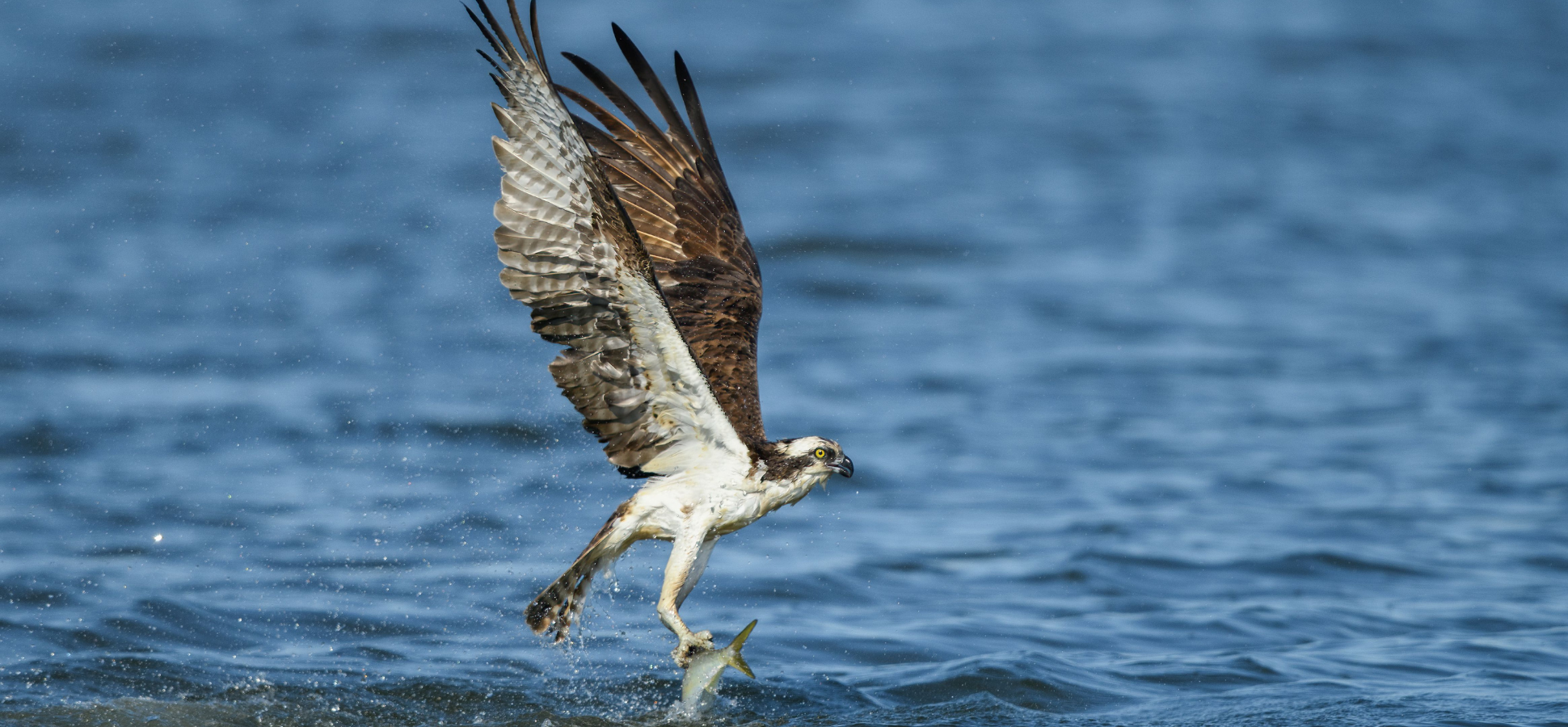
Menhaden are a high source of fat for aquatic and non-aquatic consumers alike, including ospreys. In lower, saltier parts of the bay, ospreys rely heavily on menhaden. Ospreys are a keystone species meaning that their population has a high impact on the ecosystem around them. Ospreys also serve as an indicator species, or a species whose population increase or decrease reflect the health of the ecosystem. A 2024 study conducted by the Center of Conservation Biology at William and Mary states that Chesapeake Bay ospreys face poor breeding performance due to starvation. “… past research showed compelling evidence that the devastating numbers were linked to a lack of availability of menhaden, the ospreys’ main food source in the lower Chesapeake.” The Osprey population in no menhaden areas is at a decline of 90%. The bottom line here is that baby ospreys are perishing in their nests due to human greed as adult females are unable to lay eggs due to malnutrition. Fishing is okay. Overfishing and denying the science that proves it is not.
Balance Over Extremes Saves the Bay
I personally do not believe we should go cold turkey on the issue. Conservation is not a black or white issue. The grey area in the middle is where we should compromise. Omega Protein needs to either cut down on fishing or relocate east. Menhaden are found in waters from Nova Scotia to northern Florida. The Chesapeake Bay is NOT the only place to fish for menhaden. I am sympathetic toward the locals of Reedville, Virginia, I would hate for them to lose their jobs but the higher ups at Omega Protein NEED to read the room and listen to the science provided before the Chesapeake Bay ecosystem collapses. While there is no direct science on the number of menhaden and their decline, there is research available on a widely used indicator species that shows that ospreys in saltier parts of the Bay need menhaden for chicks to not only survive but thrive.
Once all menhaden are successfully fished out of the bay what will Omega Protein do? Yes, they can always relocate but they are fishing in the bay for a reason; it is more accessible to them, it is closer to their Reedville plant than other waters between Nova Scotia and Northern Florida. Using Omega Protein’s business model as an example, denying science and being the center of a decades long debate is not the best for business. While only a third of menhaden Omega Protein catch is from the Chesapeake Bay, we should conserve a natural resource that benefits people and animals alike to keep people employed and meet our own wants as well as keeping the ecosystem intact. We can find a healthy balance to keep menhaden in the bay while also profiting from their many uses.
Takeaway
If there’s anything we can take away from Omega Protein’s practices, it’s to listen to nature. Nature knows what is best for itself and its inhabitants. Humans can survive without menhaden, but ospreys can’t. Humans can live without fish oil and fish meal; we do not rely on menhaden as a food source like ospreys do, we should keep them in the Chesapeake Bay for generations of humans, ospreys, and other wildlife to come.