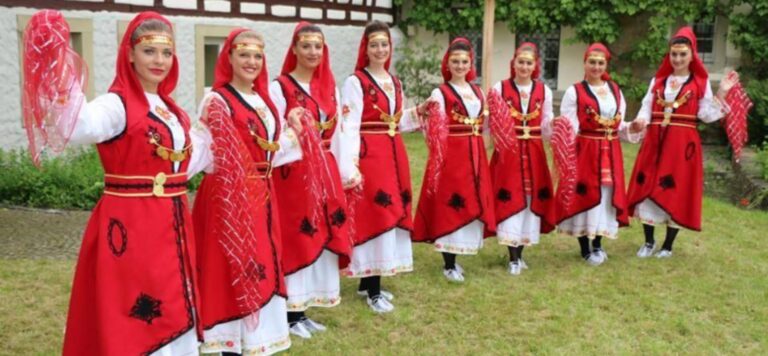
When we think of Oktoberfest, the first thing that comes to mind is a lively party with beer, music, and traditional costumes. However, Oktoberfest is much more than just a party. It is a cultural celebration deeply rooted in German traditions and heritage. In this article, we will explore the rich history, traditions, and significance of Oktoberfest, shedding light on why it is more than just a festive gathering.
The Origins of Oktoberfest

Oktoberfest originated in Munich, Germany, over two centuries ago. The very first Oktoberfest was held in 1810 to celebrate the wedding of Crown Prince Ludwig of Bavaria to Princess Therese von Sachsen-Hildburghausen. The festivities lasted for several days and included horse races, parades, and various forms of entertainment. The event was such a success that it became an annual tradition.
The Celebration of Bavarian Culture
Oktoberfest is deeply rooted in Bavarian culture. Bavaria, a region in southern Germany, is known for its rich traditions, including music, dance, and cuisine. During Oktoberfest, visitors have the opportunity to experience authentic Bavarian culture firsthand. Traditional music, such as oompah bands, fills the air as people gather in the beer tents to enjoy lively performances. Traditional Bavarian dishes, including pretzels, sausages, and sauerkraut, are also prominently featured, allowing visitors to savour the flavours of the region.
The Importance of Beer
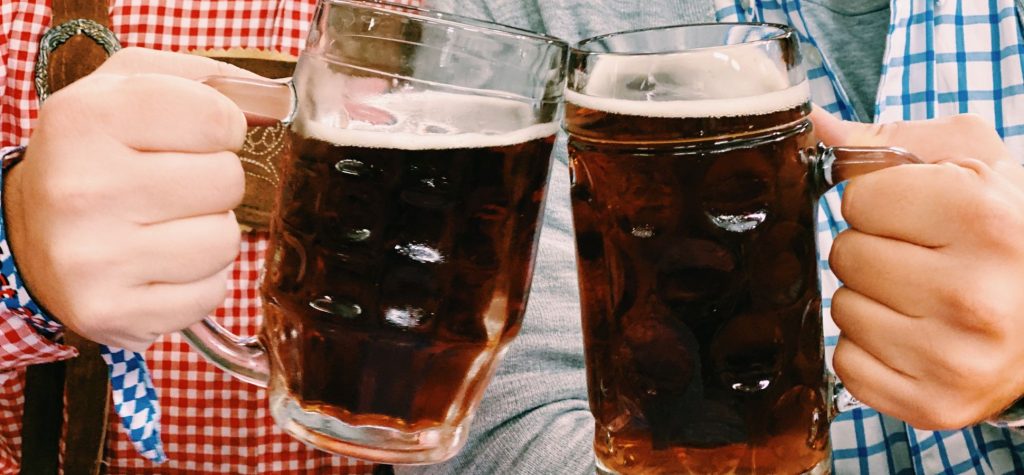
Beer is undeniably a central aspect of Oktoberfest. The festival showcases a wide variety of German beers, brewed according to strict purity laws dating back to the 16th century. These laws, known as the Reinheitsgebot, ensure that beer is made using only four main ingredients: water, malt, hops, and yeast. Oktoberfest offers visitors the chance to taste traditional German brews, such as Märzen and Festbier, which are brewed specifically for the festival. However, it’s important to note that Oktoberfest is not solely focused on alcohol consumption. It is about celebrating the art of brewing and the cultural significance of beer in Germany.
Traditional Attire: Dirndls and Lederhosen
Another captivating aspect of Oktoberfest is the traditional attire worn by many festival-goers. Women often wear dirndls, which are colourful dresses with aprons, while men opt for lederhosen, leather shorts often paired with suspenders and checked shirts. These garments have historical roots and are still commonly worn in Bavaria for special occasions. During Oktoberfest, seeing the vibrant array of dirndls and lederhosen adds to the festive atmosphere and gives participants a chance to embrace the traditional dress of the region.
Community and Togetherness

Oktoberfest is not only a celebration of German culture but also a time for communities to come together. Locals and tourists alike gather in the beer tents, where long communal tables foster a sense of camaraderie and conviviality. Strangers become friends as they clink their beer steins together and join in on traditional songs and dances. Oktoberfest exemplifies the spirit of community and togetherness, reminding us of the importance of shared celebrations and joyful connections.
Global Influence
While Oktoberfest originated in Munich, its influence has spread far beyond the borders of Germany. Today, Oktoberfest celebrations take place in various countries around the world, attracting millions of visitors each year. These events often strive to recreate the authentic Bavarian experience, complete with traditional music, food, and, of course, beer. The global reach of Oktoberfest underscores its significance as a cultural celebration that transcends national boundaries.
Oktoberfest is not just a party; it is a cultural celebration deeply rooted in German traditions and heritage. Originating in Munich over two centuries ago, Oktoberfest showcases the rich Bavarian culture through music, dance, cuisine, and traditional attire. The festival emphasizes the significance of beer, brewed according to strict purity laws, while also promoting community and togetherness. Beyond its local roots, Oktoberfest has gained global influence, with celebrations taking place in various countries around the world. It serves as a reminder of the importance of cultural heritage and the joy of celebrating it with others.