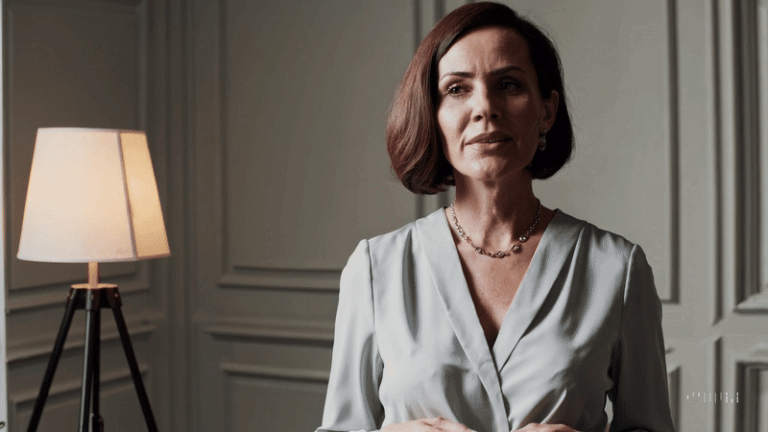
On a Saturday afternoon in Düsseldorf, a fourth‑grade child asks her mother what besa means. The mother pauses the TV, turns down the conversation in German, and explains that «besa» means a promise of honor—something deeply Albanian. After the explanation, the child heads back to play while the TV (Kanale shqip) quietly continues in the background. That moment captures a larger question facing Albanian‑language communities abroad: Is the language still being used in everyday life—or slowly being turned off?
Generational Shifts in Usage
Research into Albanian communities abroad highlights both retention and loss. A study of Albanians in Arizona (Language Shift and Language Maintenance in the Albanian Diaspora of Arizona, U.S., by Linda Mëniku & Héctor Campos) found that though older first‑generation immigrants often use Albanian at home, younger second‑generation speakers increasingly default to English or the host language. Another report (Migration and Language Education in Southern Europe, 2021) notes that maintaining Albanian language skills in the diaspora depends heavily on family practices, schooling support, and access to Albanian‑language media.
These findings suggest that the language is neither fully disappearing nor completely secure—it exists in a transitional state. In many households, the choice of language shifts depending on context: German with school friends, Albanian with grandparents, and English with technology.
What Puts the Language at Risk?
Several everyday realities pose challenges to Albanians at home:
- Dominant Host‑Language Pressure: Children attend schools in German, French, English, or Italian. They spend many hours immersed in those languages, leaving less time for Albanian.
- Family Communication Patterns: If parents and children switch to the host language at home for convenience (for example, around homework or TV shows), Albanian use decreases.
- Media and Cultural Gaps: Without Albanian‑language content easily available with a shqip TV app, younger generations may find fewer opportunities to hear informal, modern Albanian dialogue among peers, youth culture, or slang.
- Lack of Structured Heritage Education: Though some diaspora communities offer language classes, many families find them difficult to sustain because of cost, transport, or interest levels.
These factors don’t guarantee language loss, but they raise the risk that Albanian becomes the “heritage language” that only appears at family dinners, rather than the everyday language of home life.
What Supports Language Stability?
On the positive side, several practices help keep Albanian alive in diaspora homes:
- Families who speak Albanian during routine activities—preparing meals like flija, cooking ballokume, or watching Albanian‑language television—maintain regular exposure.
- Easy access to Albanian‑language television in the living room, via Smart TV or other devices, gives children informal exposure to the language. Platforms that allow rewind, time‑shift, or viewing on different screens help fit that exposure into busy lives.
- When children ask about Albanian words (like “besa”) or grandparents correct a phrase, those moments reinforce language value and connect generations.
- Diaspora families who pair Albanian‑language TV with heritage language books, cultural programs, and community events see stronger retention.
In the broader context, diaspora language policy supports this. The policy brief by GERMIN, called National and Cultural Identity of the Albanian Diaspora emphasized the role of language, media, and technology in preserving Albanian identity abroad.
Media’s Role: The Everyday Exposure Factor
Media access matters. For families abroad, a common barrier is simply not finding informal Albanian‑language content that fits into their schedules. That’s where modern platforms matter. Services that provide Albanian‑language television with features such as live recording, playback, time‑shift, kids’ shows, and cultural content make a difference.
Platforms like TVALB offer over 250 Albanian‑language channels and support multiple devices. They are designed specifically for diaspora households, providing legal, reliable access to content that helps maintain the Albanian language and culture across generations.
Signs of Progress and Gaps That Remain
There are encouraging signs. Some communities report youth using Albanian more confidently in social settings when media and family reinforce it. On the other hand, data from studies like The influence of cultural and language knowledge on positive attitudes among Second‑generation Albanian Diaspora” (2023) show a clear drop in Albanian use by second‑generation children unless intentional effort is made.
The gap is not just in vocabulary, it’s in everyday idioms, regional expressions, jokes, and cultural reference points. When TV shows mirroring familiar contexts are missing, younger speakers may switch to the host language for nuance and comfort. Without tools that support Albanian as a living language, it risks becoming reserved for “heritage only” occasions.
Conclusion
The survival of the Albanian language at home in diaspora families isn’t guaranteed—but it is very possible. It depends less on grand gestures and more on small, repeated habits: a cartoon after homework in Albanian, a rewinded interview with grandparents, the word “besa” used in context, the plate of unbaked ‘ballokume’ passed around. As families live across borders, balancing two or three languages, the support of culturally and technically relevant media makes a practical difference. When language becomes part of everyday routines, generation by generation, it stays alive.