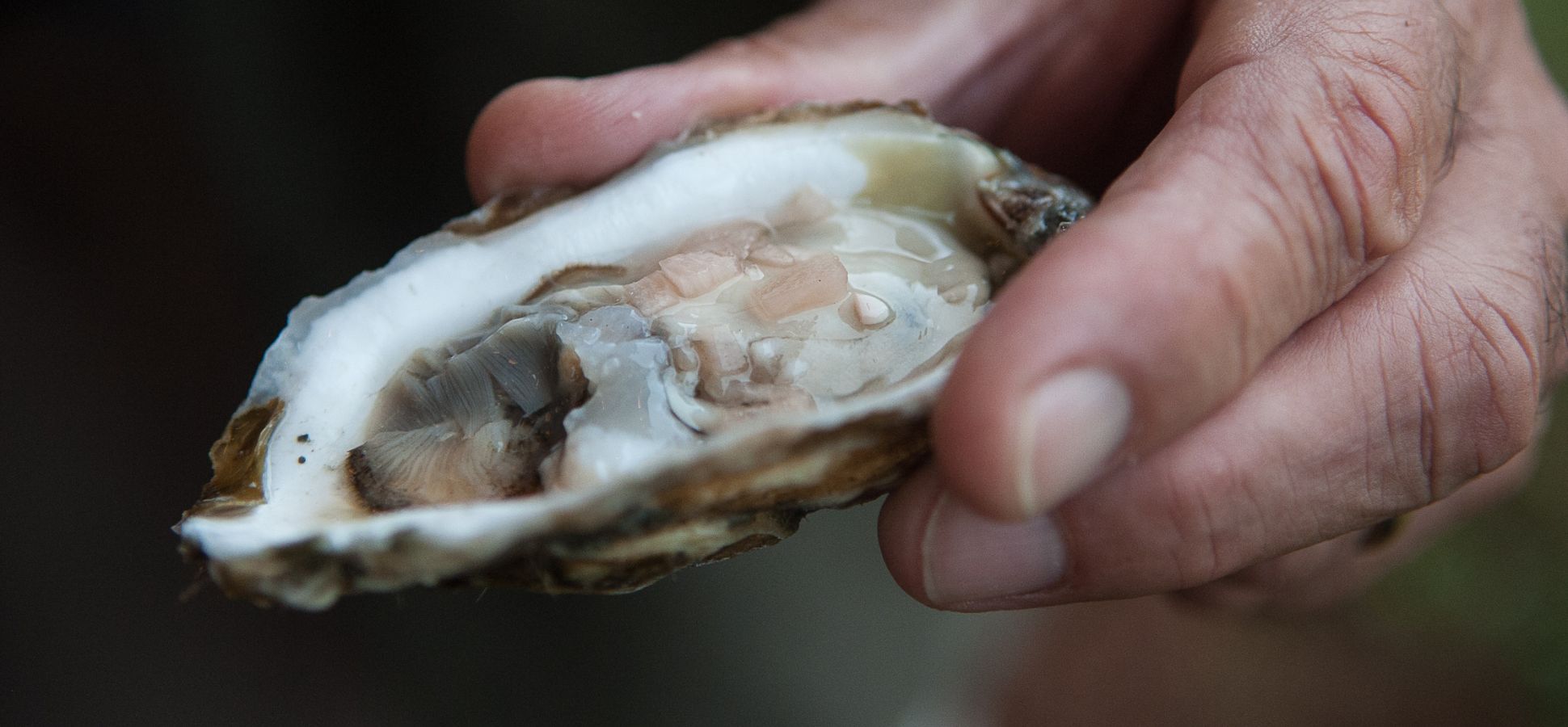
Oysters are a Chesapeake Bay staple for humans and animals alike. Both consider oysters a delicacy, animals call them home, and humans call them income. For waterfront areas, oyster harvesting makes jobs for locals and profit for sellers. One of the major regions for oysters in the U.S. is the Chesapeake Bay in Maryland. In the 1600s, the bay was full to the brim with oyster reefs that stuck out of the water. In the 1800s, dredges were in use. By the 1850s, over 1.5 million bushels of oysters were harvested from the Bay each year. During the turn of the 20th century, the Bay’s oyster fishery was one of the most important in the United States.
As of 2020, oyster aquaculture operations in Maryland contributed an average of $9 million per year to the state’s economy. The numbers have dwindled in past years due to overharvesting and habitat loss; however, oyster farming has helpedbring oysters back to the area. The practice allows farmers to have oysters year round that grow faster while also fighting climate disruption and water pollution. Oyster gardening also raises oysters in a controlled environment but in cages or floats with the intent to replenish natural oyster reefs once they have reached maturity. Many programs including the Chesapeake Bay oyster gardening program allow volunteers to grow oysters from their docks to aid in oyster conservation.
Shell Recycling
Oysters start out as larvae called spat, spat attach to other oyster shells and stay there for the rest of their lives, growing on top of preexisting oysters. Oyster harvesting not only rids us of adult individuals but also a place for new oysters to grow. This is where oyster shell recycling comes in. In 2024 I participated in a Chesapeake Bay Foundation event where volunteers carried 40 – 50 pound buckets of empty oyster shells collected from local restaurants. There were 40 bushels of oysters which comes to approximately 28,000 individuals. 10 spat can attach to one oyster shell meaning we transferred 280,000 baby oysters homes that day. These shells were collected through the Virginia shell recycling program.
Another organization that provides these services is the Oyster Recovery Partnership that offers more than 70 shell collection sites throughout Maryland, DC, and Virginia. Other states that provide such collection centers include Louisiana, North Carolina, and Florida.
Supply and Demand
To live sustainably is not to abstain completely, but to change models of business so that everyone benefits from it. There is a way to keep buying and selling oysters so everyone benefits from the balance. No one is asking seafood enthusiasts to quit cold turkey, it is only asked that we be mindful of our ‘trash’, one man’s trash is 10 spats’ home after all. To keep prices low we need to keep the supply high, oysters are filter feeders who take in water, eat the microscopic materials they sucked in, and release clean water that benefits themselves as well as the ecosystem. Clean oysters are happy oysters that reproduce and thrive. To keep oysters affordable, we need to spend time in conservation.
J&W Seafood, a grower, packer and shipper of Chesapeake Bay oysters have a spat on shell program that introduces oyster larvae to already shucked shells and places them in their oyster beds. In the last year, US oyster prices have gone from $88.83 to $68.00. The price drop can be attributed to demand, around holidays and the recent influx of vegetarian and pescatarian diets causing oyster harvesters to hike up the prices to meet consumer needs. On the supply side of things the shortage of oysters and high demand cause oyster processors to pay up to $70 a sack while wholesale prices increase by up to 40%.
Wrap up
The bottom line here is that conservation and supply and demand go hand in hand. It’s not either or, oysters are for everyone, we as humans have a certain responsibility to wildlife to use our intelligence for good. If we take oysters without replacing their shells, animals will lose their habitats and food source and humans that live along the coast will lose valuable income and jobs. Economies such as Maryland’s would suffer both locally and statewide. Demand keeps the money flowing. The higher the demand, the higher the price, The higher the supply, the lower the price. To keep oysters available to both the business and ecological environment, we as consumers and business owners must find a good balance between taking from the environment and replenishing what was taken.