In the world of cancer treatment, where traditional therapies like chemotherapy and radiation have long been the norm, there’s a new and rather unexpected contender gaining attention: methylene blue. This synthetic dye, historically known for its use in various medical applications, is being heralded by some experts as a potential breakthrough in the battle against cancer. But can this humble blue dye really cure one of the world’s most deadly diseases? Let’s explore the science behind the buzz, what prominent doctors are saying, and what the future might hold.
What is Methylene Blue?
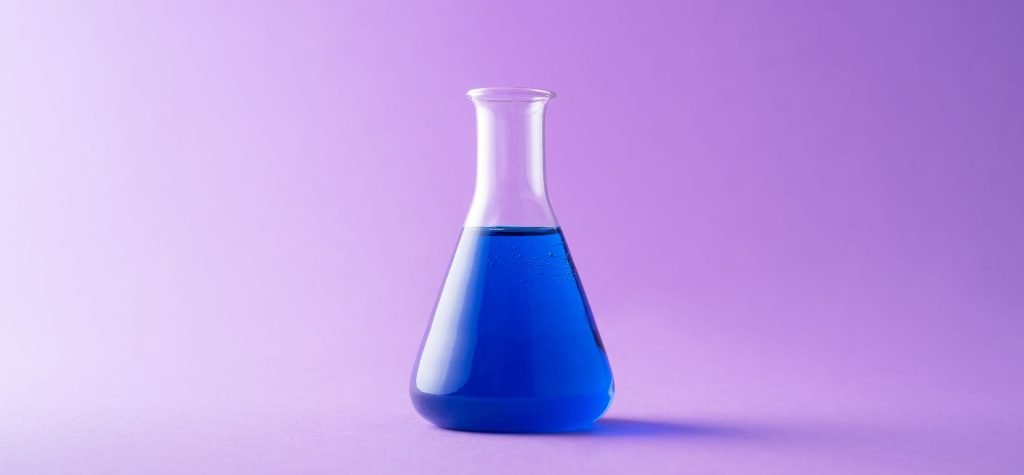
Methylene blue, a compound first synthesized in 1876, is best known for its use as a dye in industries ranging from textiles to microbiology. It’s also used in medicine for treating conditions like methemoglobinemia, a disorder that reduces the oxygen-carrying capacity of blood. But recent studies are shining a light on its potential in the fight against cancer, where it may play a surprising role in therapies like photodynamic therapy (PDT).
In PDT, a photosensitive agent is introduced into the body, which is then activated by light to target and destroy cancer cells. Methylene blue has shown promise in this area, as it can absorb light and produce reactive oxygen species that damage and kill tumor cells. But this is just the beginning. Some doctors believe methylene blue could be the key to revolutionizing cancer treatment.
The Science Behind Methylene Blue and Cancer Treatment
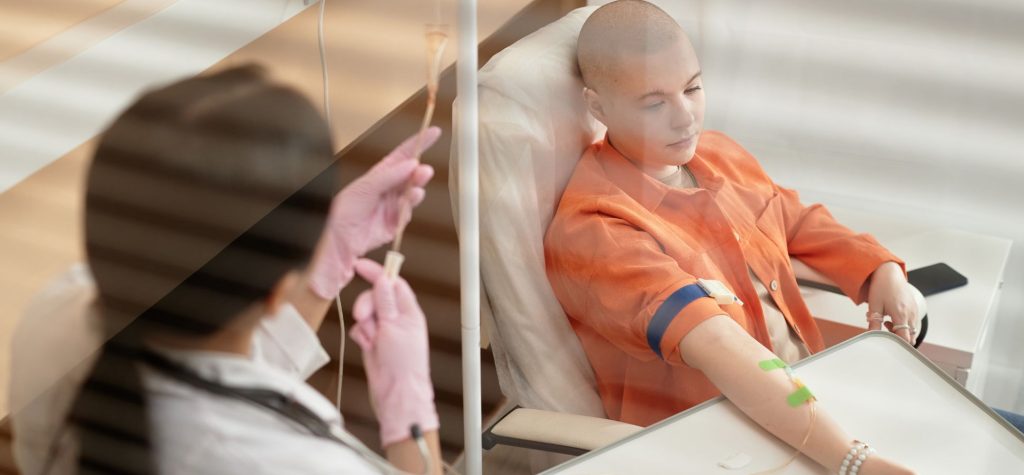
Research into methylene blue’s anti-cancer properties is still in the early stages, but the results so far are intriguing. In lab studies, methylene blue has demonstrated the ability to inhibit the growth of cancer cells, particularly in models of prostate, breast, and liver cancer. The compound’s dual action as a dye and photosensitizer could make it a powerful ally in precision medicine, where targeted therapies are designed to minimize damage to healthy tissue.
Dr. Miriam A. Knoll, a renowned oncologist at the Memorial Sloan Kettering Cancer Center, believes that methylene blue’s potential lies in its selectivity: “Methylene blue has the ability to target specific cancer cells with minimal impact on surrounding healthy tissue,” she explains. “In combination with light, it can focus its treatment where it’s needed most, potentially offering a much-needed alternative to the widespread side effects of conventional treatments.”
A Growing Field of Interest
In recent years, there has been growing interest in methylene blue’s potential in treating solid tumors, a type of cancer that forms in organs or tissues rather than the blood. Dr. Michael J. Wong, a researcher at the Johns Hopkins School of Medicine, emphasizes the need for more research: “While preliminary studies on methylene blue’s use in cancer treatment are promising, we need rigorous clinical trials to fully understand its efficacy and safety. But the early data certainly opens up exciting possibilities.”
In some animal models, researchers have shown that methylene blue can significantly shrink tumors when used in conjunction with light therapy. This method, known as photodynamic therapy, is still an emerging field, but scientists like Dr. Wong believe that we are on the verge of something groundbreaking. “If these results can be replicated in human trials, methylene blue could become a cornerstone in our toolkit for fighting cancer,” he adds.
What Prominent Doctors Are Saying

Some of the most respected names in oncology are cautiously optimistic about the potential of methylene blue. Dr. William Li, a renowned researcher and author of Eat to Beat Disease, acknowledges the significance of this new line of investigation: “We are constantly on the lookout for innovative treatments that target cancer in new and effective ways. Methylene blue could be one such treatment—especially when combined with cutting-edge technologies like PDT.”
Dr. Antonio Giordano, a leading oncologist and researcher at the Sbarro Health Research Organization, has also weighed in, noting that “the unique properties of methylene blue—its ability to act as both a therapeutic agent and a light-activated molecule—could make it a powerful addition to the arsenal of cancer treatments.”
While methylene blue is not yet an established cancer cure, these experts agree that it holds significant potential as part of a multifaceted treatment strategy.
Is Methylene Blue the Future of Cancer Treatment?
Despite the promising early results, it’s important to remember that methylene blue is still far from being a proven cancer cure. Clinical trials are ongoing, and while some initial findings are promising, it will take years before we can definitively say whether this blue dye will transform cancer treatment as we know it.
However, the excitement surrounding methylene blue reflects a larger trend in the oncology world: the push toward more personalized and precise treatments. In a field where new breakthroughs are constantly being pursued, methylene blue stands as a symbol of hope—a potential game-changer in the fight against cancer.
As we continue to explore innovative treatments, it’s essential to remain cautious yet hopeful. Methylene blue might not be the miracle cure we’ve all been waiting for, but it could very well be a key part of the puzzle. If ongoing research continues to show promise, we could see this blue dye playing a major role in reshaping the future of cancer care.
The notion of methylene blue as a potential cure for cancer is exciting, but it’s still in the realm of scientific exploration. With endorsements from leading doctors and researchers, the possibility of this compound becoming a treatment option is tantalizing. The field of cancer treatment is constantly evolving, and methylene blue represents one of the most unexpected yet intriguing avenues of discovery.
As we continue to advance our understanding of cancer and treatments, one thing is clear: hope is on the horizon. Whether or not methylene blue becomes a key to curing cancer remains to be seen, but its potential certainly warrants continued attention.