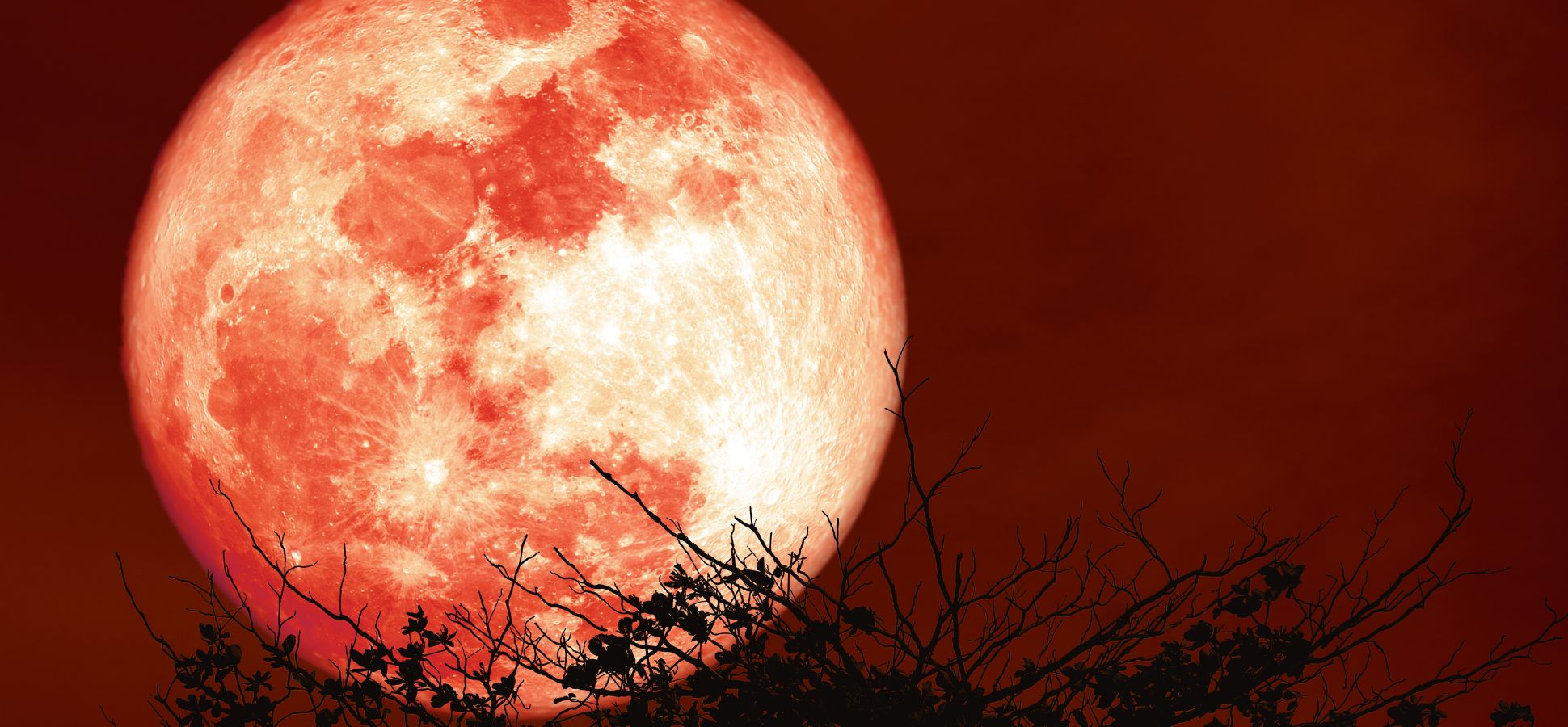
The night sky in August 2025 offers a unique spectacle for entrepreneurs and innovators seeking inspiration beyond the boardroom. On Saturday, August 9, the full moon—known as the Sturgeon Moon—will reach peak illumination at 3:55 a.m. ET. This celestial event invites business leaders to pause and reflect, drawing parallels between the moon’s enduring presence and the resilience required in today’s fast-paced markets.
Origins of the Sturgeon Moon
The Sturgeon Moon’s name originates from the abundance of giant lake sturgeon historically found in the Great Lakes and Lake Champlain during August. Native American tribes relied on these fish as a vital food source, a tradition later echoed by colonial and European settlers. Over time, the Old Farmer’s Almanac popularized this nickname, embedding it in American culture.
Lake Sturgeon: A Story of Conservation
While once threatened by overfishing and environmental challenges, lake sturgeon populations have seen renewed hope thanks to conservation efforts. Initiatives such as habitat restoration and stocking programs have improved their numbers. In 2024, the U.S. Fish and Wildlife Service determined that lake sturgeons did not require listing under the Endangered Species Act. These freshwater fish, found from the Hudson Bay to the Mississippi River, are remarkable for their longevity—males can live up to 55 years, while females have reached 150 years. Their impressive size, sometimes exceeding six feet and 200 pounds, underscores their historical significance.
Best Viewing Times for the August Full Moon
For those eager to witness the Sturgeon Moon, timing is key. The moon will appear full on both Friday night and early Saturday morning, offering flexibility for busy professionals. Observing this event can serve as a reminder of the importance of timing and adaptability in business strategy.
Impact on the Perseid Meteor Shower
This year, the brilliance of the Sturgeon Moon coincides with the annual Perseid meteor shower, which runs from July 14 to September 1. The peak of the meteor shower occurs on August 12 and 13, but the bright moonlight may obscure some of the fainter meteors. According to NASA, those seeking optimal meteor viewing might consider waiting for the Geminids meteor shower in December, when lunar interference will be minimal.
- Sturgeon Moon peak: August 9, 2025, at 3:55 a.m. ET
- Perseid meteor shower peak: August 12-13, 2025
- Geminids meteor shower: December 2025
Celestial Events and Business Perspective
For startup founders and business owners, the interplay between the Sturgeon Moon and the Perseid meteor shower offers a metaphor for navigating competing priorities. Just as the moon’s brightness can overshadow meteors, market forces and external factors can impact business visibility. Embracing adaptability and timing, much like astronomers do, can provide valuable lessons in leadership and strategy.