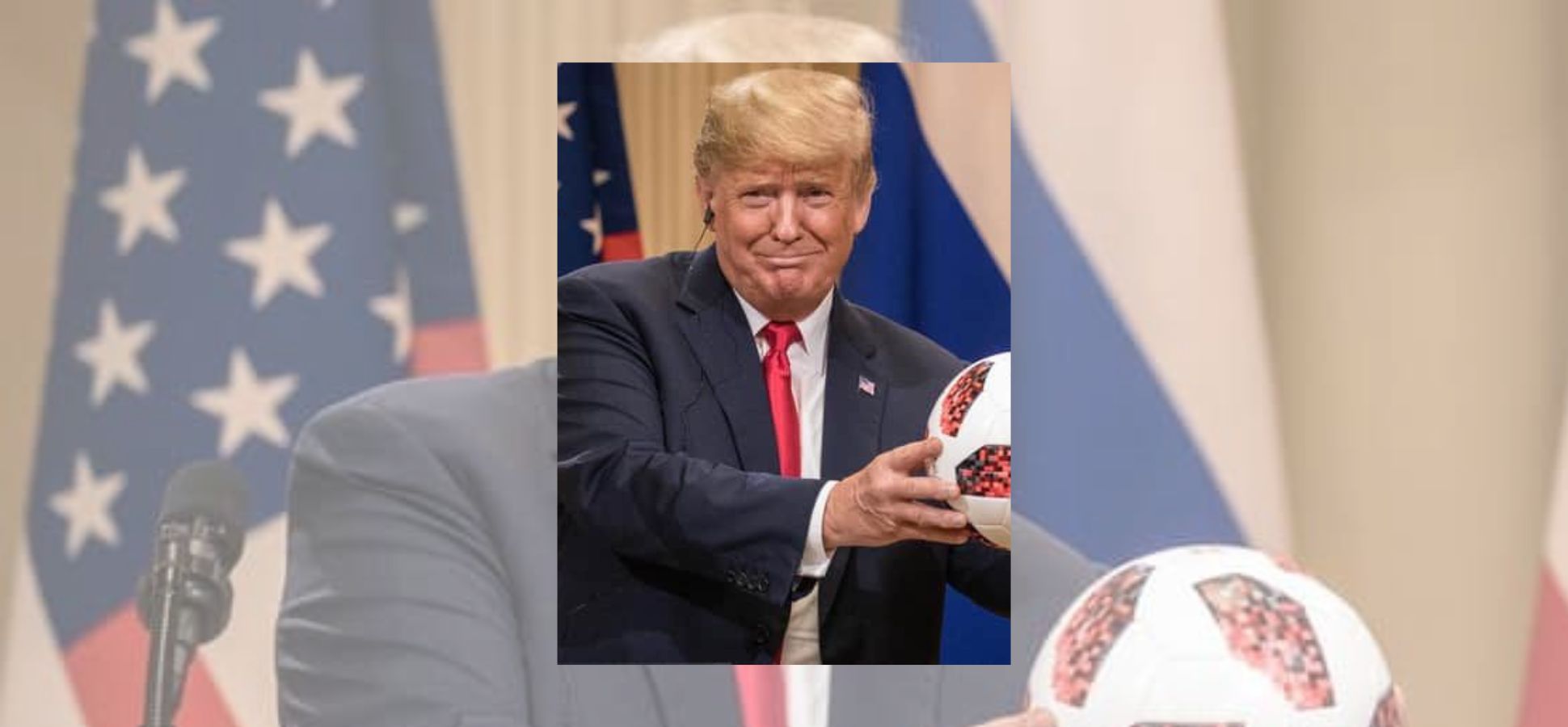
Donald Trump has unveiled an ambitious agenda for potential future leadership, showcasing a mix of traditional conservative policies with a more populist twist. His strategy outlines significant shifts in tax, regulation, and cultural issues, alongside a redefined approach to international relations. As the upcoming election approaches, media outlets worldwide are gearing up for accurate reporting on U.S. election results. Trump’s proposals indicate his intention to roll back federal civil rights initiatives while seeking to expand presidential powers.
Immigration Policies
Trump’s immigration reform plan promises what he terms “the largest mass deportation program in history,” utilizing the National Guard and enforcing stricter measures through local law enforcement. His approach suggests rigorous screening for new entrants and a move to end birthright citizenship, although details on how these policies will be implemented remain unclear. Additionally, Trump aims to limit overall immigration and revive earlier initiatives like “Remain in Mexico.”
Abortion Regulation
On the topic of abortion, Trump supports the Supreme Court’s recent ruling allowing states to regulate the issue but does not prioritize further federal bans. The GOP platform has shifted away from advocating for a national ban, indicating a potential change in how conservative movements will approach abortion legislation moving forward.
Tax and Economic Policies
Trump’s tax policies aim to benefit corporations and wealthy individuals through proposals to lower the corporate tax rate and reverse recent tax increases imposed by the current administration. While he seeks to introduce new tax exemptions for working- and middle-class Americans, there are concerns that loopholes may still advantage high-income earners by reclassifying income types.
Trade and International Relations
His trade policies express skepticism towards global markets, advocating for tariffs on foreign goods and emphasizing domestic production, particularly in the pharmaceuticals sector. Trump has also indicated plans to restrict foreign investments in critical infrastructure.
Social Policies
Trump’s proposed changes to social issues include dismantling diversity and inclusion initiatives within federal institutions and introducing legislation regarding gender identity in sports. He further pledges to cut educational funding from institutions that promote what he opposes, such as Critical Race Theory and various ideological curricula.
Regulatory Reform
Trump envisions significant regulatory cuts, arguing that these will stimulate the economy by reducing household utility bills and accelerating housing development. His administration would likely streamline the dismissal of federal employees, reducing the government’s regulatory capacity, and challenge Congress’s authority over budget control.
Education Overhaul
Targeting the federal Department of Education, Trump plans to eliminate the agency but aims to guide K-12 education through financial incentives and pressure. His strategy includes reshaping the higher education accreditation process and imposing fees on large university endowments, with proceeds redirected to create a non-political online educational institution.
Healthcare and Social Programs
While Trump vows to protect Social Security and Medicare, his tax proposals raise concerns about the funding of these essential programs. He remains committed to repealing the Affordable Care Act without offering a replacement plan, focusing instead on health issues pertinent to his campaign allies.
Climate and Energy Policies
Trump’s climate policy favors traditional energy sources, promising to eliminate incentives for electric vehicles and roll back climate regulations. His stance emphasizes fossil fuel development, prioritizing immediate economic benefits over environmental considerations.
Military and Foreign Policy
Characterized by isolationism, Trump’s foreign policy advocates for increased military spending while criticizing NATO leadership. He proposes a strategy that emphasizes U.S. military strength to achieve peace and has shown support for engaging with international leaders often deemed authoritarian.