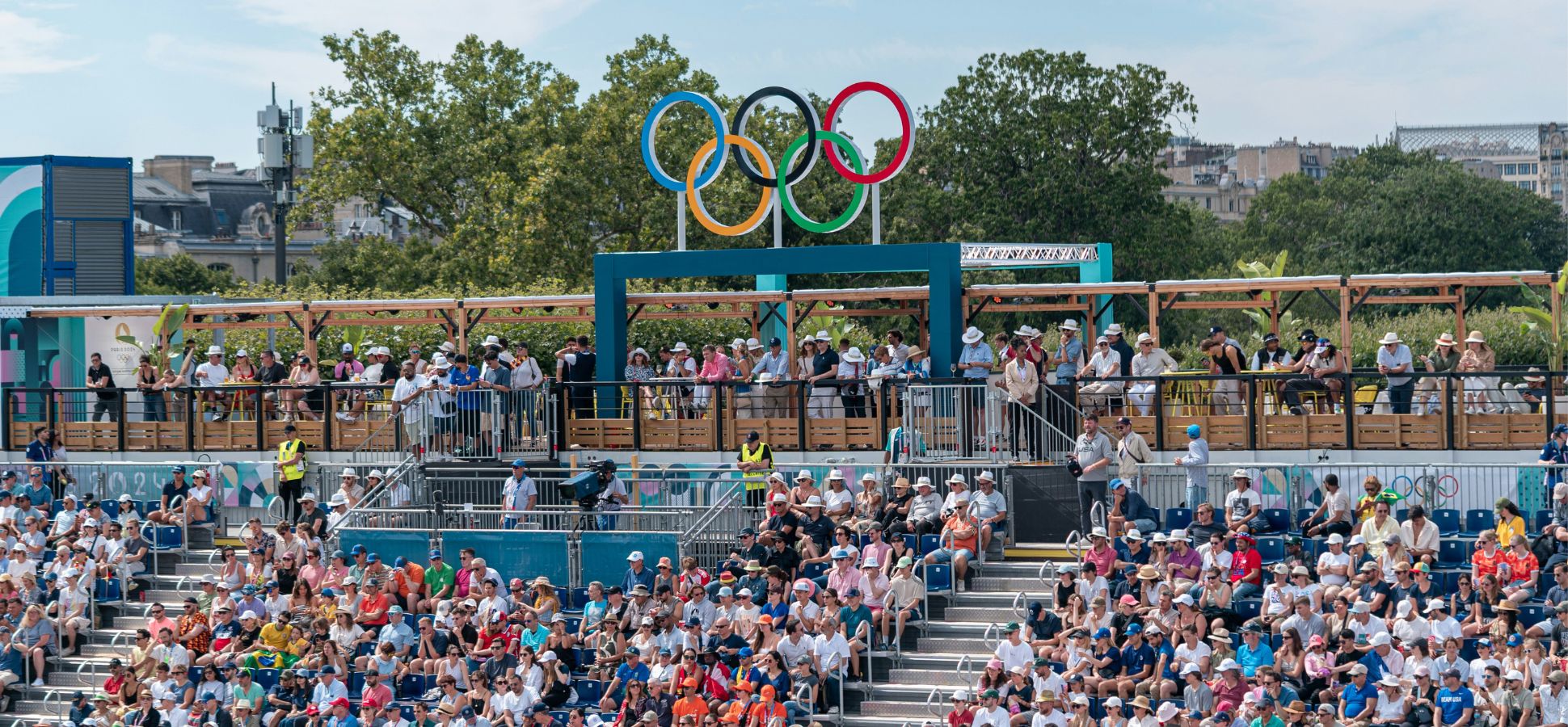
As the flames of the Olympic torch fade in Paris, all eyes turn to Los Angeles, the host city for the 2028 Summer Olympics. In an ambitious move, LA has promised to host a “car-free” Games—an eyebrow-raising commitment for a city synonymous with car culture. While LA has made strides in public transit, this pledge presents significant challenges, especially given the city’s deep-rooted reliance on automobiles.
A Brief History of LA’s Transportation System Los Angeles wasn’t always car-centric. In the early 1900s, visionary railroad tycoon Henry Huntington developed a vast trolley system, connecting residents in outlying areas to the downtown core. By the 1930s, LA boasted over 1,000 miles of electric streetcar routes. However, as the popularity of automobiles grew, streetcars became obsolete. After World War II, LA’s streetcar network crumbled, replaced by buses running on gasoline as highways expanded and cars became king.
Corporate Influence and the Decline of Public Transit The decline of LA’s electric streetcar system sparked controversy, with many accusing automotive and oil industries of deliberately hastening the switch to a car-centric culture. As public transit options dwindled, congestion worsened, transforming LA’s infamous traffic into a daily ordeal. Some drivers even resorted to living in their cars during marathon commutes.
Planning for a Car-Free 2028 Olympics To accommodate the influx of over 15,000 athletes and a million spectators, LA is ramping up its public transit infrastructure ahead of the 2028 Games. The city is revitalizing its light rail and subway lines, some of which trace the routes of the old streetcars. Key improvements include connecting airport terminals to rail services, dedicating more traffic lanes to buses, and expanding bike lanes to promote alternative travel methods.
The Post-Olympic Reality While the car-free Olympics goal is bold, many experts are skeptical about its long-term impact on LA’s car-dependent culture. The Olympic Games offer a unique opportunity to temporarily reshape the city’s transportation dynamics, but the real test will be whether these changes persist once the spotlight dims. As Casey Wasserman of the LA 2028 organizing committee acknowledges, the Games may spark temporary change—but ingrained habits could return once the event ends.