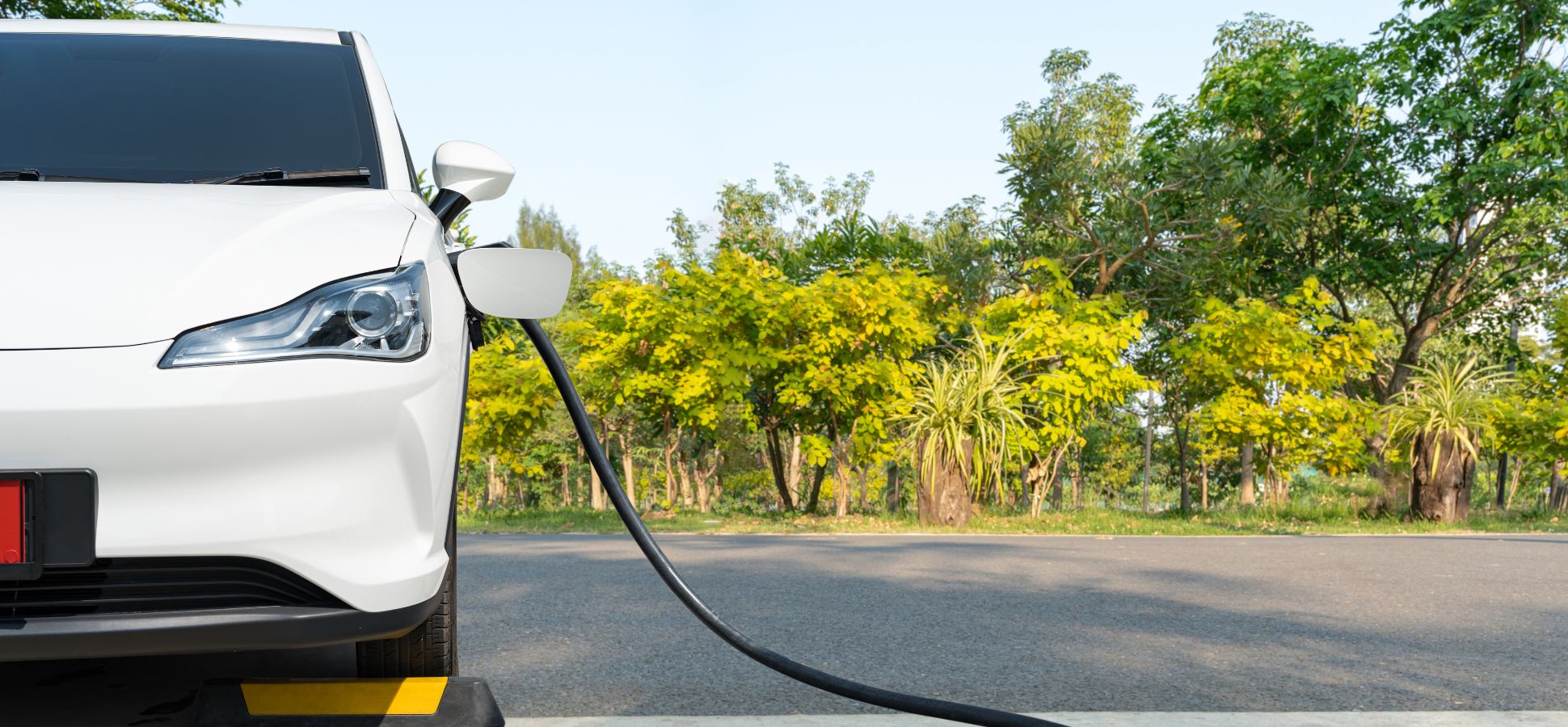
The battery is central to the evolution of electric vehicles, influencing range, charging speed, and longevity. Volkswagen Group stands out as one of the few global automakers to bring battery technology development and manufacturing in-house, aiming to secure a leadership position in the electric mobility market.
Building a Global Battery Industry with European Roots
Recognizing that batteries represent a significant portion of a vehicle’s value, Volkswagen has established PowerCo, a dedicated subsidiary focused on battery innovation. PowerCo is developing a robust supply chain anchored in Europe, with new cell factories planned in Salzgitter, Valencia, and St. Thomas, Canada. This strategic move strengthens Volkswagen’s independence and sets the stage for a new generation of batteries designed to be safer, more affordable, and more sustainable.
The Unified Cell: Standardizing Battery Innovation
At the heart of Volkswagen’s battery strategy is the unified cell, an innovative battery format developed by PowerCo. Set to be implemented in over 80% of Volkswagen Group’s battery electric vehicles by 2030, the unified cell offers several key advantages:
- Reduced complexity in both development and production
- Maximum flexibility and scalability across vehicle segments
- Cost efficiencies that enable affordable electric mobility, even for entry-level models
Through initiatives like the CELL MADE video series, PowerCo experts share insights on the unified cell’s energy density, fast-charging capabilities, service life, and safety features.
Solid-State Batteries: The Next Leap Forward
Volkswagen is also investing in solid-state battery technology, which promises to dramatically increase energy density, charging speed, and safety. In partnership with QuantumScape, PowerCo is working to bring solid-state batteries to market. Recent tests show these batteries can retain 95% of their capacity after 1,000 charging cycles, translating to over 500,000 kilometers of range with minimal degradation.
Expanding Charging Infrastructure and Ecosystems
Accessible and reliable charging infrastructure is essential for widespread EV adoption. Volkswagen is rapidly expanding its charging network, now offering 850,000 charging points across Europe, including 150,000 fast-charging stations. The company is also developing comprehensive charging ecosystems, featuring home wallboxes, flexible tariffs, and public fast-charging solutions. Innovations like bidirectional charging and vehicle-to-grid integration are positioning Volkswagen vehicles as mobile power banks, enhancing grid resilience and energy management.
Stationary Energy Storage and the Future of Mobility
As demand for large-scale energy storage grows, Volkswagen’s subsidiary Elli is leading the way in planning, building, and operating stationary storage systems. These efforts support the transition to an electromobile society and extend Volkswagen’s value chain beyond automotive manufacturing into the broader energy market. Elli’s solutions are designed to make electric living smarter, more convenient, and environmentally friendly—whether at home, on the road, or in renewable energy generation.
Looking Ahead: Innovation and Industry Leadership
Volkswagen’s commitment to battery technology, from unified cells to solid-state advancements and charging infrastructure, reflects a strategic vision for the future of electric mobility. As the company prepares for major industry events like IAA Mobility 2025, it continues to drive innovation that will shape the next generation of electric vehicles and support a sustainable energy ecosystem.