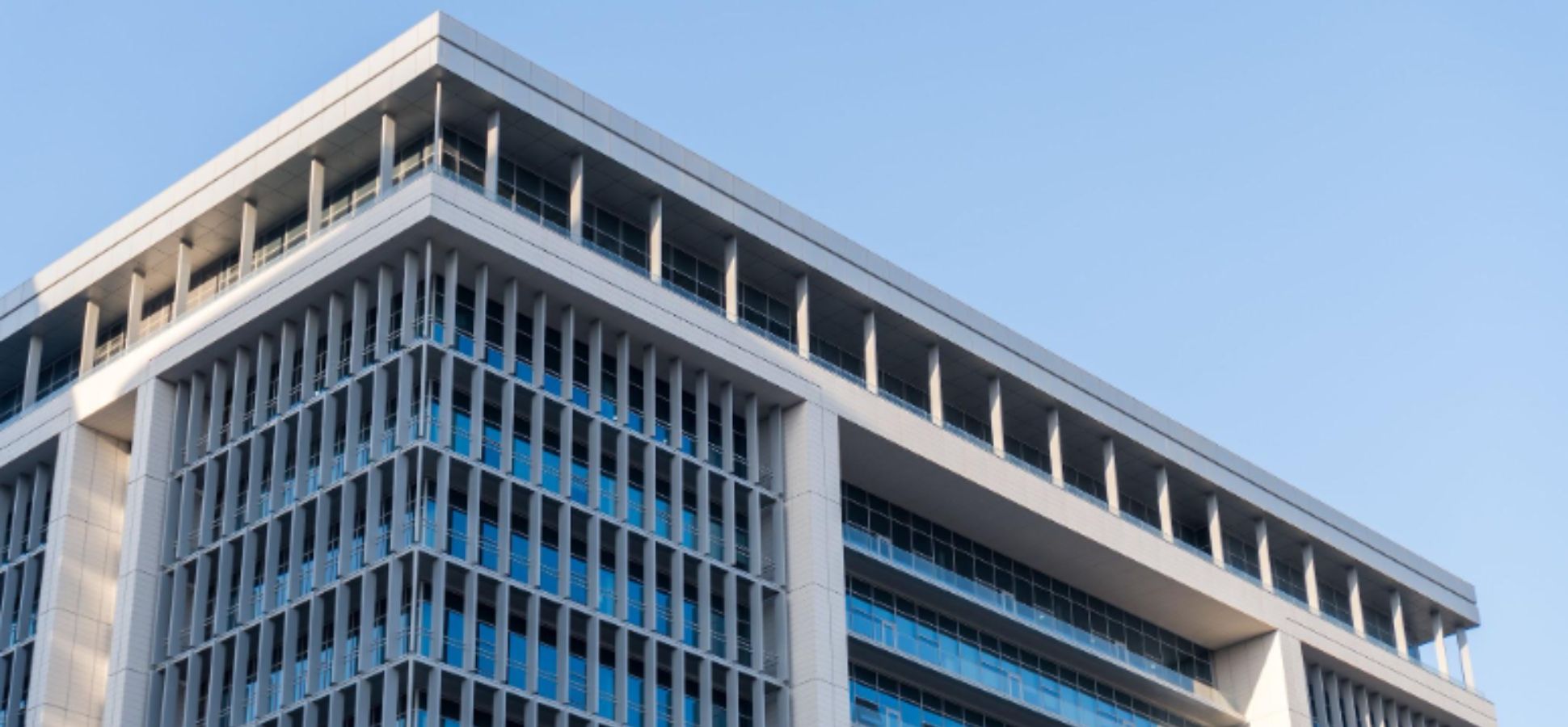
Strategic reserve allocations and proactive structural upgrades allow enterprise property managers to safeguard asset value against rising building overhead.
Enterprise property managers and corporate facility leaders face a continuous balancing act between immediate operational spending and long-term valuation stability. Shifting away from standard emergency patching cycles gives your leadership team the power to protect real estate equity through deliberate capital reserve management.
Allocating targeted funding toward structural upkeep ensures your physical assets retain market appeal while defending your portfolio against regional environmental degradation. Implementing this strategic approach helps your organization establish steady budget forecasts, optimize property lifecycle performance, and secure dependable long-term yields.
How do regional planning and phased construction protect cash flow?
Managing major capital improvements across large commercial portfolios requires practical regional scheduling to keep cash flow stable. Enterprise asset managers often balance property updates by staging structural work over multi-year operational cycles. Coordinating project timelines based on local climate conditions and regional contractor availability helps lower labor costs and prevents internal operational bottlenecks.
Executing phased construction schedules allows your business to allocate capital predictably without exhausting active cash reserves. Structuring major updates across distinct financial quarters helps portfolio leaders maintain steady dividend payments and protect operational liquidity. Staging updates strategically keeps individual properties functional throughout the renovation process, preventing lost lease revenue.
Executing a roof replacement for Pennsylvania businesses during mild transitional seasons helps property leaders secure competitive contractor rates while preventing unexpected winter weather disruptions. Aligning property investments with regional vendor availability gives corporate managers stronger pricing leverage across every development phase.
What steps ensure smooth phased construction execution?
- Audit portfolio priority: Rank facility assets by envelope age, diagnostic moisture maps, and current tenant lease durations.
- Standardize material specs: Select uniform roofing membrane systems across regional properties to lower bulk procurement costs.
- Sequence seasonal work: Schedule structural envelope tear-offs during dry seasons to avoid water damage during construction.
- Align operational capital: Coordinate structural construction timelines with internal financial reporting quarters to maintain liquid cash reserves.
Why move from reactive patching to strategic capital reserves?
Managing large-scale commercial real estate requires moving past piecemeal fixes that only address visible symptoms. Patching immediate defects keeps facilities operational in the short term, but ignoring underlying system wear leads to severe structural issues down the line. Enterprise operators who switch to strategic reserve allocations gain full visibility over upcoming structural expenditures, preventing sudden capital drains that harm overall asset liquidity.
Planned capital reserve funding allows property leaders to time major overhauls during favorable market conditions. Setting funds aside on a fixed operational timeline gives your organization the leverage needed to negotiate better pricing with regional contractors and suppliers. This forward-looking financial model replaces unpredictable, stress-inducing maintenance bills with predictable annual expenditures, keeping cash flow steady across every quarter.
How does deferred maintenance compound total facility costs?
Delaying necessary envelope upkeep triggers an accelerating cycle of hidden structural expenses. Minor water intrusion or small surface shifts often go unnoticed, but water entering internal assemblies quietly weakens structural decking, damages insulation, and corrodes supporting fasteners. Addressing these issues years after they first appear forces facility managers to pay exponentially higher remediation costs compared to early intervention.
Neglected physical infrastructure burdens your operating balance sheet through hidden efficiency leaks. Saturated thermal insulation loses its effectiveness quickly, driving up monthly HVAC power consumption and placing excess mechanical strain on heating and cooling hardware. Addressing small envelope compromises before they spread protects both your operating margins and the integrity of your core building structures.
What severe stresses do winter freeze-thaw cycles create?
Regional weather patterns present distinct mechanical challenges for industrial low-slope roof assemblies across cold-weather regions. Repeated freeze-thaw cycles force absorbed moisture to expand within microscopic surface fractures, widening tiny fissures into major structural gaps over several seasons. Heavy winter snow accumulations compound this physical strain by holding standing moisture directly against low-slope membranes for extended periods.
According to guidance from the Federal Emergency Management Agency, continuous freeze-thaw sequences combined with heavy snow buildup exert extreme structural stress on flat and low-slope roofing layers, causing rapid premature structural deterioration. Heavy ice dams form along drainage perimeters, blocking natural runoff and forcing standing meltwater into structural joins. Checking drainage systems before cold weather hits helps protect your low-slope assets from sudden structural failure.
How do you conduct lifecycle assessments to guide capital decisions?
Determining whether an aging roof assembly requires localized restoration or a total tear-off depends on clear diagnostic data. Comprehensive lifecycle assessments begin with non-destructive moisture surveys and physical core sampling, giving your facilities team an accurate map of subsurface water migration. Gathering this diagnostic evidence helps property managers make well-informed capital decisions rather than relying on quick visual estimates.
Technical guidelines published by the National Roofing Contractors Association highlight that systematic moisture surveys and physical core sampling during lifecycle assessments allow facility managers to accurately separate targeted restorative recoveries from full roof replacements. Identifying dry, intact insulation underneath a worn surface layer allows your organization to apply protective restorative coatings, extending system service life by decades while skipping the cost of a full teardown.

Investing in timely structural renewals and keeping thorough digital records protects your enterprise against premature equity loss. Proactive envelope management ensures your facilities remain safe, energy-efficient, and attractive to high-value corporate tenants. Prioritizing structured capital allocations over temporary surface fixes secures long-term asset value and keeps your business financially resilient across changing real estate cycles.