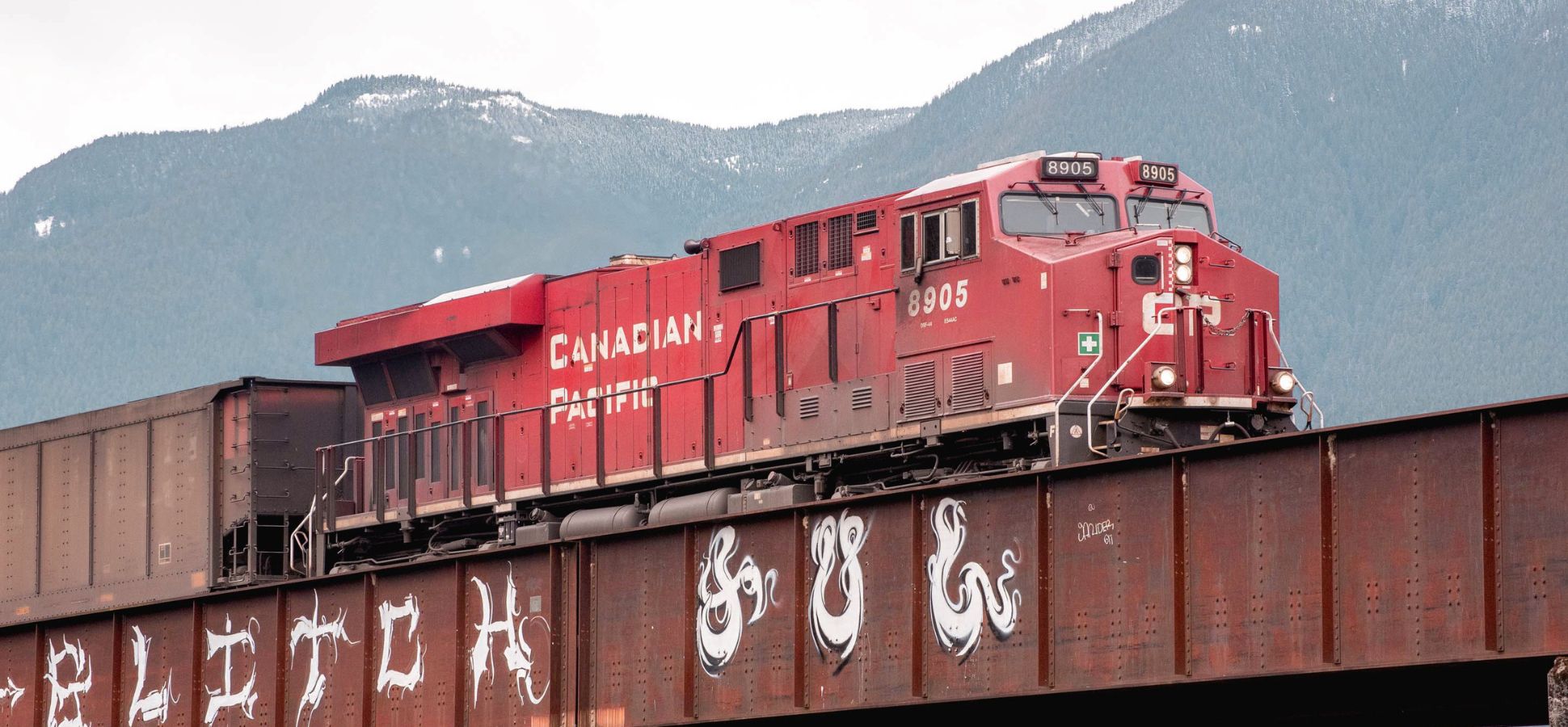
Freight trains across Canada are gearing up to resume operations as the federal government stepped in to address a labor dispute between the country’s largest railroads and the workers’ union. The dispute arose from stalled contract negotiations, which escalated to a point that required government intervention to avoid economic disruption. In response, the Canadian government mandated arbitration. Canadian National Railway (CN) quickly lifted its lockout, while CPKC (Canadian Pacific Kansas City) has yet to announce when theirs will conclude. The union, representing over 10,000 workers, voiced frustration with the government’s decision, accusing the railroads of leveraging the situation to force intervention.
Government Steps in to Protect the Economy
Labour Minister Steven MacKinnon announced the arbitration order, emphasizing the need to avert disruptions that could severely impact freight operations across Canada and the U.S. The lockouts were triggered after negotiations failed to yield a new contract, with business groups urging the government to step in. MacKinnon stressed the urgency of preventing further damage, noting that prolonged disruptions could destabilize supply chains and commuter services, posing a significant threat to the economy.
Union Criticism and Corporate Defense
The Teamsters Canada Rail Conference expressed disappointment in the government’s swift intervention, viewing it as undermining the workers’ right to negotiate. On the other hand, railroad executives supported the government’s decision, highlighting the need to protect the broader national interest, particularly given the economic significance of rail transportation. Industries reliant on rail services for the movement of essential goods, such as automotive manufacturing and chemicals, have echoed these concerns, as the disruption could cost billions in economic impact across Canada and the U.S.
Supply Chain Strain and Potential Fallout
With freight worth more than $1 billion Canadian a day stalled, businesses are bracing for potential supply chain disruptions. Although some companies have adapted to recent challenges, the risk of prolonged stoppages looms large, threatening severe consequences across various sectors. The interconnectedness of the railroads and the economy has many industries, especially those using just-in-time delivery models, on edge.
Navigating Prolonged Disruption and Future Agreements
While previous rail disputes have been resolved within days, this conflict is complicated by differing positions on work schedules and fatigue management. Despite competitive wages, the union is pushing to retain existing protections that address fatigue among rail workers. As the arbitration process moves forward, both sides face the challenge of balancing worker safety and satisfaction with economic stability. The outcome of these proceedings will be critical in shaping the future of Canada’s rail industry and its role in the North American economy.