
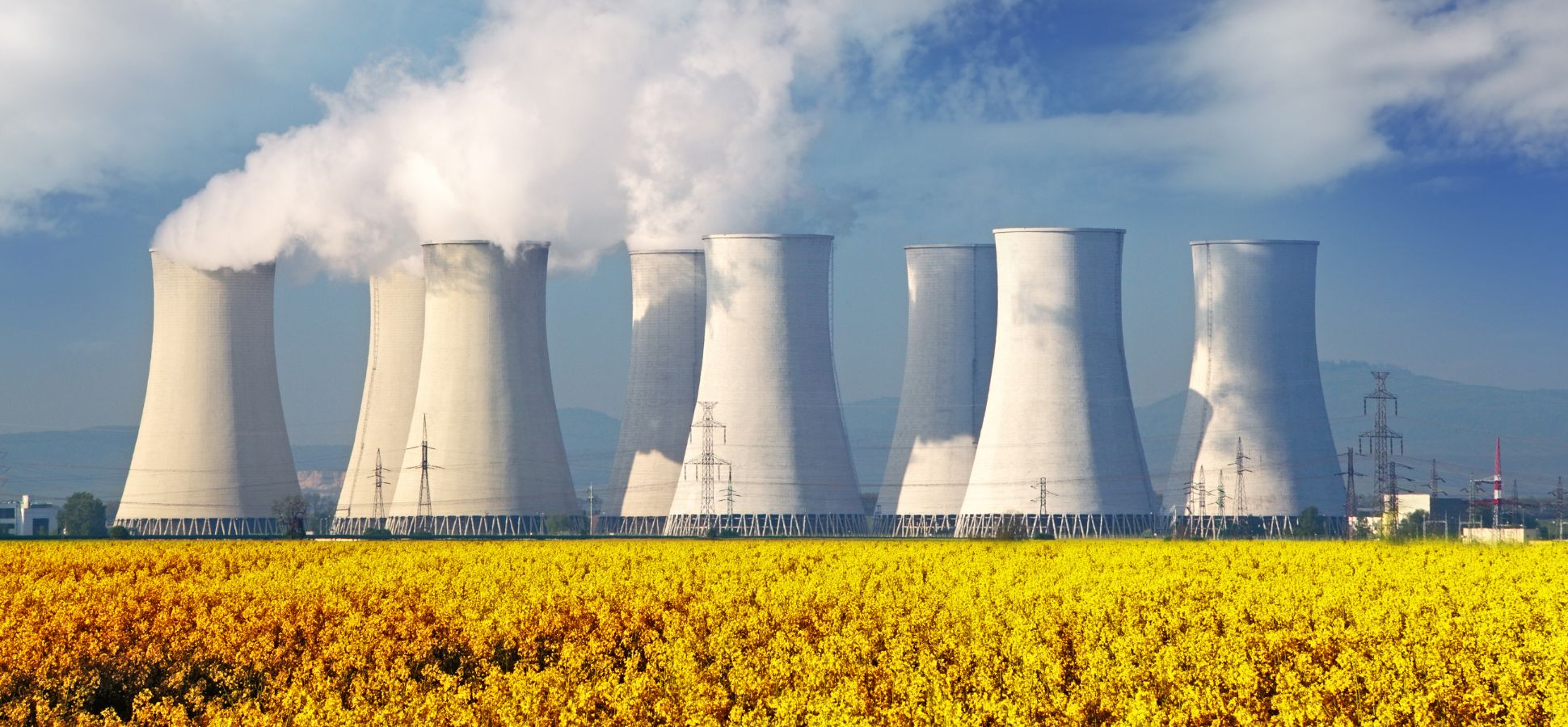
Meta is taking a bold step in the energy sector by partnering with Constellation to extend the life of the Clinton Clean Energy Center, an aging nuclear power plant in Illinois. This collaboration is designed to secure the plant’s operations for the next 20 years, supporting Meta’s growing energy needs while aiming to reduce its carbon footprint.
The Clinton Clean Energy Center, originally licensed in 1987, faced possible closure due to years of financial losses. A state tax credit for carbon-free energy kept it running until 2027, but its long-term future remained uncertain. Meta’s agreement with Constellation now provides financial security beyond that date, allowing the plant to invest in upgrades that will boost its energy output by 30 megawatts, raising its total capacity to 1,121MW.
Nuclear Energy and Big Tech: A Growing Trend
This partnership is part of a broader movement among major tech companies to secure cleaner energy sources for their expanding data centers and artificial intelligence (AI) operations. Meta, along with industry peers like Google and Microsoft, is seeking reliable, carbon-free electricity to power AI-driven growth. These companies have seen their carbon emissions rise in recent years as their energy demands increase, despite public commitments to sustainability.
“Meta is purchasing an undisclosed amount of clean energy attributes to match a portion of its electricity use,” according to the company. These attributes, often referred to as certificates, represent the environmental benefits of generating carbon-free energy. The extra revenue from these certificates is intended to incentivize the development of more clean energy projects, though the real-world impact of such programs is sometimes debated among experts.
Impact on Local Economy and Energy Grid
Keeping the Clinton plant operational is expected to preserve 1,100 local jobs and generate enough electricity to power 800,000 homes. For context, the first offshore wind farm in the United States, located off Rhode Island, has a capacity of 30MW—just a fraction of the Clinton plant’s output. The Clinton facility’s continued operation highlights the role nuclear energy can play in stabilizing the power grid and supporting local economies.
Constellation has applied to renew the plant’s license through 2047, and there are discussions about developing advanced nuclear reactor technology at the site. This aligns with Meta’s broader strategy to support next-generation nuclear projects, with the company seeking proposals for new reactors that could add 1,000 to 4,000MW of generation capacity in the U.S. by the early 2030s.
Challenges and Opportunities for Clean Energy
Despite these advances, the path to net-zero emissions is complex. Meta’s latest sustainability report reveals that its carbon footprint has grown since 2019, largely due to increased focus on AI. The company faces scrutiny over plans to build its largest data center in Louisiana, where the local utility has proposed constructing three new gas plants to support the facility. This tension between meeting AI energy needs and reducing environmental impact is reshaping the conversation around nuclear power in the United States.
Microsoft has also entered the nuclear space, announcing a deal with Constellation to potentially bring the shuttered Three Mile Island reactor back online. Amazon and Google are investing in next-generation nuclear technology as well, signaling a shift in how Big Tech approaches energy procurement.
The Future of Nuclear Power in Tech
Meta’s investment in nuclear energy represents a strategic move to secure reliable, low-carbon power for its operations. As the demand for data and AI continues to surge, partnerships like this could play a crucial role in balancing economic growth with environmental responsibility. The evolving relationship between technology companies and the nuclear industry may well shape the future of clean energy in the United States.


