Computer science has become a vital field in the enormous technological landscape, revolutionizing how we live and interact with the rest of the world. Computer Science assignment help is a valuable resource for students navigating the diverse concepts and complexities of this evolving field. With expert guidance, students can better understand the journey of computer science, from Turing machines to artificial intelligence, and receive assistance in tackling their assignments effectively. Embracing such support can enhance learning outcomes and empower students to excel in their computer science studies. This article examines the intriguing history of computer science, highlighting significant turning points and innovations that have influenced its development from the earliest Turing machines to the astounding advances in artificial intelligence.
The Origins of Computer Science
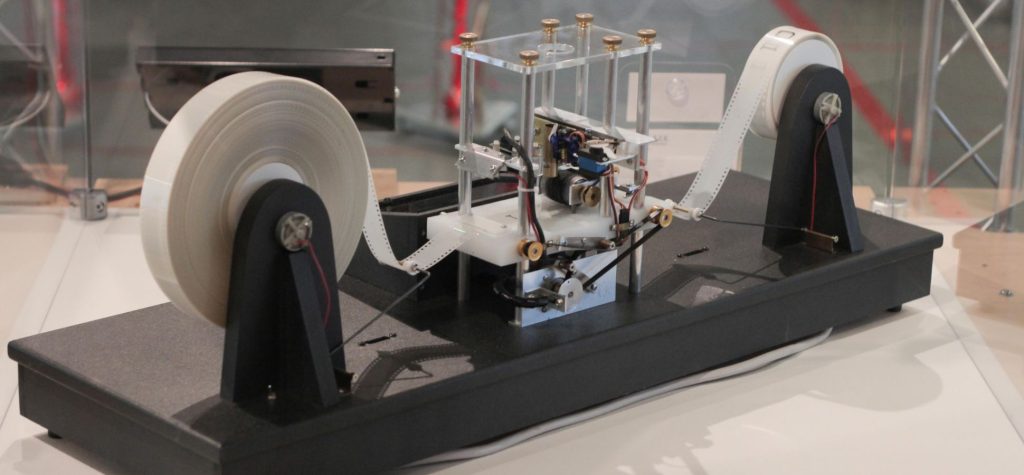
Alan Turing, a mathematician and logician, was a pioneer in the field that would later become computer science. Turing introduced the idea of a hypothetical computer that might carry out commands and resolve challenging issues in the 1930s. The Turing machine is a mathematical model that served as the basis for contemporary computing equipment.
The Birth of Electronic Computers
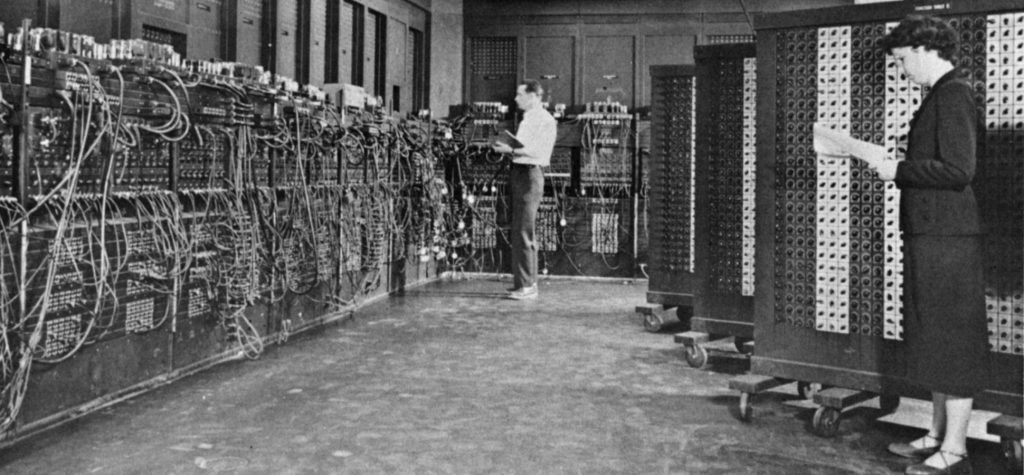
The development of electronic computers in the middle of the 20th century marked a significant advancement in the field of computer science. These devices, like the ENIAC and UNIVAC, signalled the shift from conceptual models to actual computing hardware. Electronic computers’ quick calculation speed stimulated interest in discovering new computational capabilities.
The Programming Era

As the use of computers increased, so did the demand for effective instructions to manage their conduct. Programming languages were created as a result, allowing people to communicate with computers. A new era of programming was made possible by the introduction of languages like Fortran, COBOL, and C, enabling the development of increasingly complex software and applications.
The Rise of Personal Computers
The availability of computing power underwent a revolution in the 1970s with the advent of personal computers. Computers are now widely accessible to the general public thanks to businesses like Apple and Microsoft that brought them into homes and workplaces. Because of this accessibility, there has been a surge in invention and creativity as people and organisations use computing to boost productivity and address problems in daily life.
Networking and the Internet
The introduction of the internet marked a momentous leap in computer science during the 1990s. A new era of collaboration and communication was ushered in by the capacity to connect computers and share information over great distances. The internet changed various industries, opened up fresh opportunities for trade and leisure, and gave rise to the idea of a linked world.
The Era of Big Data
Big data, a term for enormous quantities of organised and unstructured data that exceed the capability of conventional data processing technologies, is a result of the exponential growth of digital information. To gain useful insights from this sea of data, computer scientists created cutting-edge methods like data mining and machine learning. Big data analysis has aided developments in a number of industries, including marketing, banking, and healthcare.
Artificial Intelligence and Machine Learning

The height of computer science is represented by artificial intelligence (AI). Artificial intelligence (AI) systems can see, reason, and learn, somewhat like human intellect. Computers can learn from data and gradually improve their performance over time thanks to machine learning, a subset of artificial intelligence.
AI is now present in many facets of our lives, from self-driving cars and intelligent recommendation systems to virtual assistants like Siri and Alexa. Its uses cut across all sectors of the economy, revolutionizing areas like healthcare, finance, and transportation.
From the theoretical ideas behind Turing machines to the amazing developments in artificial intelligence (AI), computer science has travelled a fascinating path. It all began with Alan Turing’s forward-thinking work, which introduced the notion of a hypothetical machine capable of carrying out commands. These theoretical models were made real with the development of electronic computers, opening the door for the programming era and the creation of programming languages. Personal computers made computing power available to the general public, and the development of the internet connected computers worldwide, revolutionising communication and teamwork. Big data has given rise to cutting-edge methods like data mining and machine learning, which allow us to mine massive amounts of information for insightful information. Last but not least, artificial intelligence (AI) and machine learning have advanced computer science to new heights, with uses ranging from self-driving cars to virtual assistants. Our contemporary environment is still changing as a result of computer science’s development, which is fostering innovation and opening up countless opportunities.