Many homes all over the world find it difficult to imagine life without streaming subscription services. With millions of people using platforms like Netflix, Amazon Prime, and Hulu to access their favorite movies and TV shows, streaming has become an essential part of modern entertainment. However, such pleasures have their own price. As streaming becomes more popular, concerns about privacy and security are also increasing. So, what’s the dark side of streaming? Can we protect our privacy?
The Risks of Streaming

Streaming services provide a variety of content options and are convenient and simple to use. Nevertheless, using these platforms can put your security and privacy at risk. Some of the most significant risks associated with streaming include the following:
Data Collection
Streaming services collect a vast amount of data about their users, including their viewing habits, search history, and personal information. This information can be used for targeted advertising or sold to third-party companies.
Security Vulnerabilities
Hackers can exploit security vulnerabilities in streaming services to gain access to users’ personal information or take control of their devices.
Geo-Restrictions
Many streaming services are only available in certain regions due to licensing restrictions. Users attempting to access these services outside the allowed regions may be blocked or face legal consequences.
ISP Tracking
Internet Service Providers (ISPs) can track users’ online activities, including their streaming habits. This data can be sold to third-party companies or used to restrict access to certain websites.
Government Surveillance
In some countries, the government monitors citizens’ online activities, including their streaming habits. This surveillance can infringe on users’ privacy and limit their freedom of expression.
How to Protect Your Privacy and Security

Fortunately, there are steps you can take to protect your privacy and security while using streaming services. Here are some tips to help you stay safe:
Use a VPN
A Virtual Private Network (VPN) is a powerful tool that can help protect your privacy and security while streaming. A VPN with Roku or other streaming services encrypts your internet traffic and routes it through a remote server, making it difficult for anyone to track your online activities. Additionally, using a VPN can help you bypass geo-restrictions and access streaming services that are not available in your region.
Many VPN services are available, but it’s essential to choose a reputable provider that offers fast speeds, a no-logs policy, and reliable performance.
Be Cautious When Sharing Personal Information
When signing up for a streaming service, be cautious about the personal information you share. Only provide the minimum amount of information required to create an account, and avoid sharing sensitive information like your social security number or credit card details unless it’s necessary.
Keep Your Devices Updated
Hackers often exploit software and hardware security vulnerabilities to access users’ personal information. To protect your privacy and security, ensure your streaming devices, including your Roku, are always updated with the latest software and security patches.
Use Two-Factor Authentication
Two-factor authentication adds an extra layer of security to your streaming accounts. With two-factor authentication enabled, you’ll need to provide a second piece of information, such as a code sent to your phone, to access your account. This makes it more difficult for hackers to access your account even if they have your password.
Monitor Your Accounts
Regularly monitoring your streaming accounts can help you spot any suspicious activity quickly. Check your viewing history and ensure no unauthorized purchases or account changes exist. If you notice anything unusual, change your password immediately and contact the streaming service’s support team.
Avoid Using Public Wi-Fi
Public Wi-Fi networks can be convenient but are also a significant security risk. Hackers can intercept data transmitted over public Wi-Fi networks, including usernames, passwords, and personal information. To protect your privacy and security, avoid using public Wi-Fi networks when streaming content. Instead, use a secure, private internet connection like your home Wi-Fi or a mobile hotspot.
Use Anti-Virus and Anti-Malware Software
Anti-virus and anti-malware software can help protect your devices from malicious software and attacks. Ensure you have up-to-date anti-virus and anti-malware software installed on all your streaming devices.
Be Aware of Scams
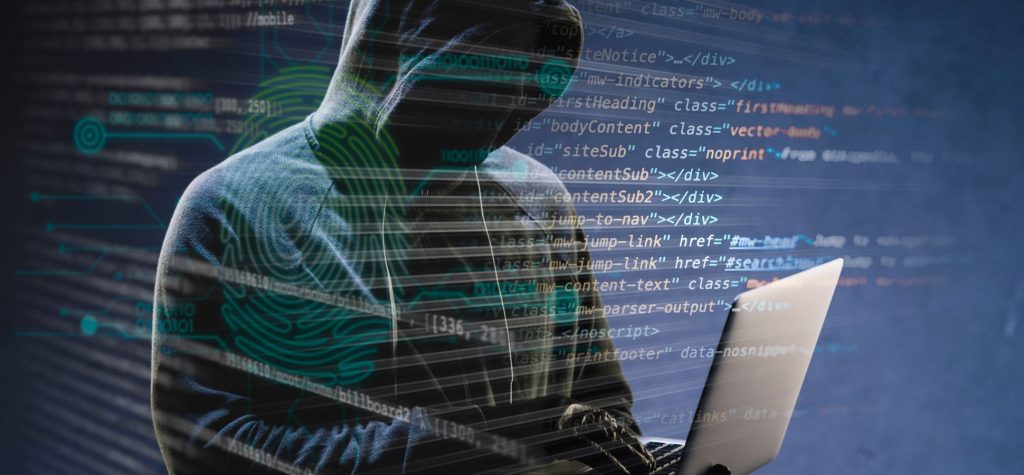
Hackers often use scams to gain access to users’ personal information. Be wary of emails or messages asking you to provide personal information or click on a link. These messages may be phishing attempts designed to steal your information. If you receive a suspicious message, delete it immediately and contact the streaming service’s support team.
We’d love to hear from you! What are your thoughts on the dark side of streaming and the privacy concerns it brings? Have you implemented any effective protection methods to safeguard your data while enjoying your favorite shows? Share your insights and experiences in the comments below, and let’s start a conversation about privacy in the age of streaming!