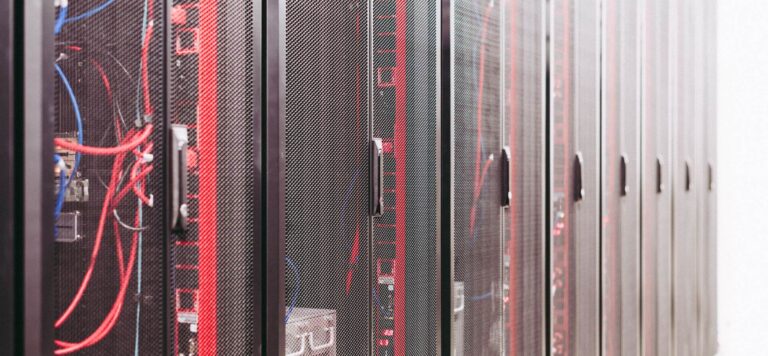
Logistics is the planning and execution of efficient transportation and storage of goods from origin to consumption. Due to the manual nature of mass-producing parts and the need for two-way communication, logistics is often considered one of the most complex steps of custom manufacturing. Logistics technology aims to reduce human error, improve communication, and increase safety and security. Ultimately, the goal is to increase efficiency while reducing production costs.
Leveraging Technology In The Logistics Process
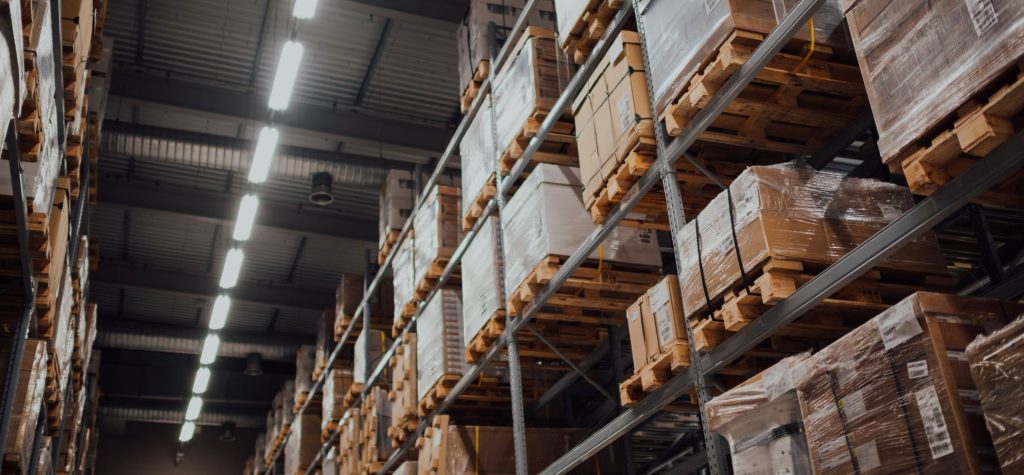
Incorporating technology like automation into the logistics process of bulk production is often more effective when tailored to the specific tasks at hand. Therefore, technology implementation should be specific and can vary depending on the exact stage of the logistics operations.
- Procurement logistics: This involves sourcing of raw materials. Today’s technology can help you predict future bulk raw material needs so you never run out. This can increase transparency in the procurement process by reducing human error.
- Inventory management: This is the planning, controlling, and execution of the movement of goods. Tracking technology can provide real-time data to reduce disparities between physical and recorded inventory. It can help you manage stock-picking ladder carts more efficiently.
- Warehouse logistics: This pertains to storing surplus or bulk inventory before supply to wholesalers, retailers, or consumers. Strategic warehouse professionals will take advantage of modern technology to reduce overstock or understock.
- Ordering logistics: This involves receiving and filling customer orders. Advanced technology can be used to increase the efficiency, speed, and accuracy of fulfillment.
- Packaging logistics: This is the process of packaging and branding before dispatch. Tech can help standardize and speed up packaging, thus reducing errors, saving time, and cutting costs.
- Transportation logistics: This is the movement of goods from warehouses to wholesalers, retailers, or consumers. Drone technology is the latest innovation in speeding up the movement of goods.
- Monitoring logistics: This refers to tracking the movement of goods through the supply chain until they arrive to consumers. Tech can be especially useful in tracking the temperature, condition, and real-time location of bulk manufacturing parts or perishable goods.
The Best Logistics Technology Trends To Increase Mass Part Production Efficiency
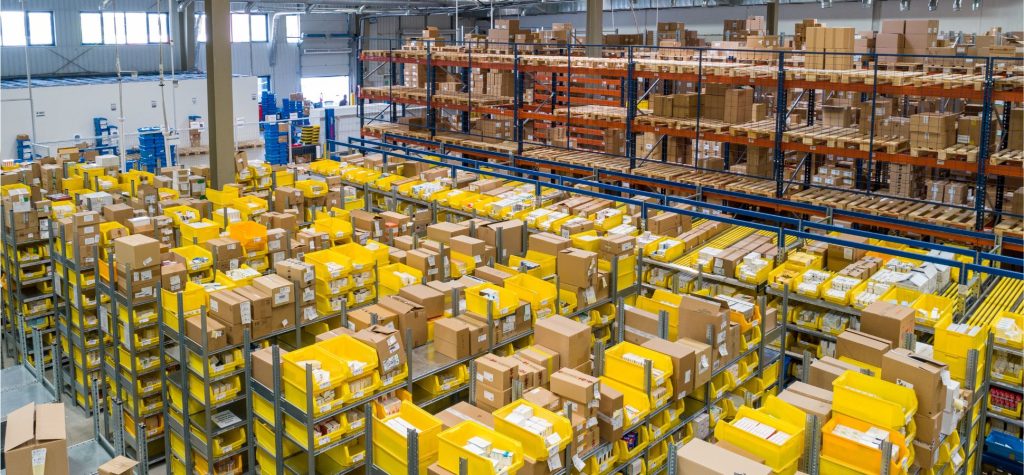
As mentioned, the main aim of implementing technology as a logistic solution is to increase efficiency. But depending on the business, technology can improve a company in many different areas, such as communication, customer care, data collection, and strategy.
Blockchain Technology
Blockchain is almost synonymous with cryptocurrency. However, a blockchain specifically refers to the technology behind cryptocurrency and not the coins themselves. It is a digital ledger that records transactions in a peer-to-peer network. The blockchain technology was not created to be used solely in cryptocurrencies; blockchains can be used in multiple industries. One of the best ways to implement blockchain technology is in logistics.
Shipment Tracking
Traditionally, shipment tracking is highly localized, slow, and has no real-time updates. By using blockchain technology, everyone involved in the shipment process can check for updates in real-time. No need to contact the vendor to find out where your goods are; you can check on blockchain anytime.
Smart Contracts
Smart contracts are self-executing programs built into the blockchain. This helps automatically execute agreements and contracts. These programs contain automated actions and reactions in line with the contract. Once implemented, smart contracts are irreversible. For example, the smart contract may state that the vendor is only paid once the shipment is received and the goods are in perfect condition. Such virtual stipulations create more security and transparency.
Smart contracts can be used in a Bill of Lading document, the agreement between you and the vendor while goods are in transit. A Bill of Lading is often also the receipt for goods. By using smart contracts, such documents have the added advantage of being digitally binding agreements. Its traditional paper form creates avenues for fraud and human error and can lead to time wasting. Since a paper Bill of Lading is physical, it can also get lost. A digital record of this document eradicates most of these problems.
A smart contract updates automatically, helping you keep track of the shipment location and the current handler validating the process. Finally, the smart contract Bill of Lading can be used to transfer ownership and trigger payment.
A smart contract is a digitally binding agreement. It eliminates the need for using traditional paper money and paper documents all together, making dispute resolutions more straightforward and easier to execute.
AI Technology
Artificial Intelligence, or AI, has quickly evolved over the past couple of years. We now have AI, like Chat GPT, that can almost mimic and simulate human intelligence. AI can be used in logistics to automate repeated processes cutting down time and human error, which can help save costs. AI uses advanced concepts like machine learning to be trained and has applications in several different aspects of logistics.
Warehouse Management
AI can be used in warehouse inventory management to identify shift demands and storage issues. One of the biggest issues in large warehouse storage, especially when dealing with different products, is locating the goods before shipment. AI can help sort the products according to size, demand, and business-specific criteria.
Optimize Delivery Routes
AI can optimize delivery time and routes by considering how many items need delivery, how brittle the goods are, and how widely spread the delivery points are. Instead of experimenting with different paths, you can feed AI information, and it will create a customized route to optimize your deliveries.
Customer Care
Real-time customer care can be complex. You may not always be able to have a team member on standby 24/7 to communicate with the client. Natural language processing can be used to communicate and answer customer inquiries. It can also answer clients in different languages, increasing your client pool and making customer care more personalized.
Digital Twinning and VR
Digital twinning involves making virtual models of physical products. It can be used in 3D product simulation before prototyping. Generally, if you need to create a custom manufacturing part, you will need to send in images, dimensions, and sketches. In turn, you will receive a sample; if you approve it, mass production will commence. This process can be slow, time-consuming, and expensive. Having the sample virtually created ensures real-time feedback and reduced costs of production.
On the other hand, VR can be used to create digital worlds of your business. VR immersive experiences have been taking content consumption to the next level with many practical applications. You can use VR to create a digital representation of your warehouse, allowing you to test procedures before implementation. This removes the need to test out the layout of your warehouse manually. VR can also be used in training new staff and product testing.
Cloud Storage
Cloud storage is one way many companies have adapted to increase efficiency in logistics. Cloud storage allows a company to store large amounts of data online, so you can access your information anytime and anywhere. Cloud storage removes the need for paper documentation, reducing the chances of fraud or agreements getting lost.
Technology is rapidly advancing, and logistics must evolve to keep up. Integrative technology can help streamline the entire logistics process offering a better experience for the company, its employees, and its customers.