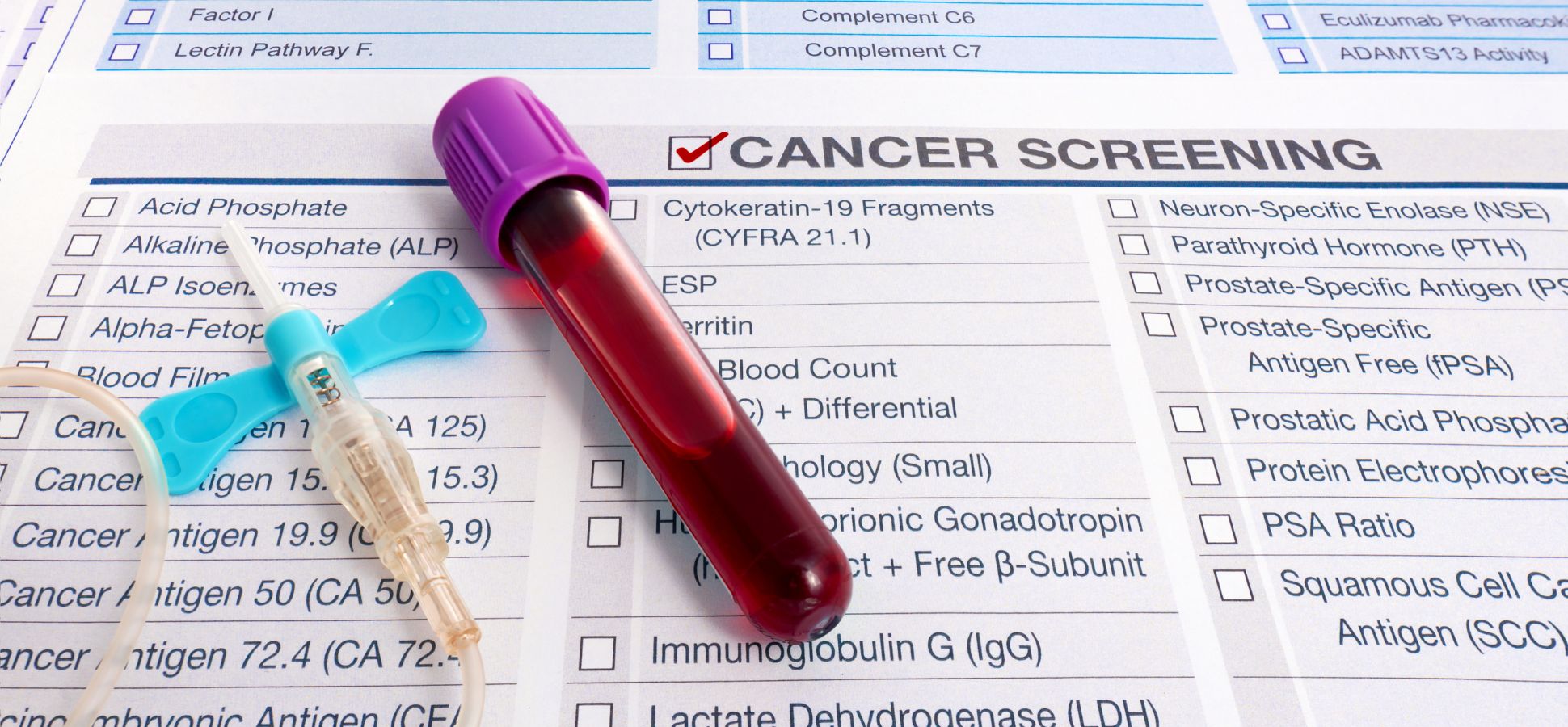
What if we could catch cancer before it catches us? That is the trillion-dollar question driving a new wave of biotech startups into the most promising cancer research frontier: biomarkers. New research shared by Kathleen Burns, M.D., Ph.D provides a closer look at cancer development. This research suggests opportunities in the near-future for early-detection of epithelial cancers and possibly other illnesses.
Dr. Burns is Chairperson of Pathology at Dana-Farber Cancer Institute. The organization’s work highlights the importance of transposons in our DNA, challenging claims of non-functional junk DNA. Dr. Burns and her colleagues have provided a closer look at Long Interspersed Nuclear Element-1’s role in facilitating chromosomal instability and a specific protein’s utility as a multi-cancer biomarker.
What is LINE-1?

Imagine LINE-1 as a chunk of DNA in the human genome. L1 is a family of transposons that perform genetic edits such as deletions and insertions. These insertions in the genome are identified as a mechanic for mutation in human diseases. Induced L1 expression results in an emergence of cells with scores of alterations, namely terminal loss of genetic material. The majority of these induced cells cannot grow and clone out, yet when subclonal feature losses manifest in successful growth, we see a fusion of chromosomes 5 and 18.
Two proteins that operate on L1 are ORF1p and ORF2p. ORF1p expression has been previously identified as a cancer biomarker for a multitude of epithelial cancers. Examples of epithelial cancers include but are not limited to ovarian, colon, and lung cancers. ORF1p expression in blood exhibits utility in detecting the possibility of epithelial cancer before p53 detection strategies. ORF2p induces replication stress and enforces dependencies on specific DNA repair pathways for cell growth. In short, L1 contributes to chromosomal instability during cancer evolution, ORF1p can serve as a biomarker for early cancer detection, and ORF2p is capable of damaging DNA.
Cancer Biomarkers in Biotech
That’s enough science for now. While scientific developments are exciting, one might wonder how they translate to business. Fortunately, more than a couple of programs and companies have taken similar approaches to cancer prognosis through biomarker detection.
Elypta is a cancer diagnostics company based in Solna, Sweden. Elypta uses liquid biopsy to identify different biomarkers for early cancer detection, and has found success with multiple investors due to their work. The PROSPR program focuses on identifying biomarkers to target the underlying causes of age-related disease. PROSPR receives funding from a federal agency within the Department of Health and Human Services, ARPA-H, highlighting the desirability of programs and organizations focused on research related to preventative measures.
Cancer Biomarkers and Machine Learning
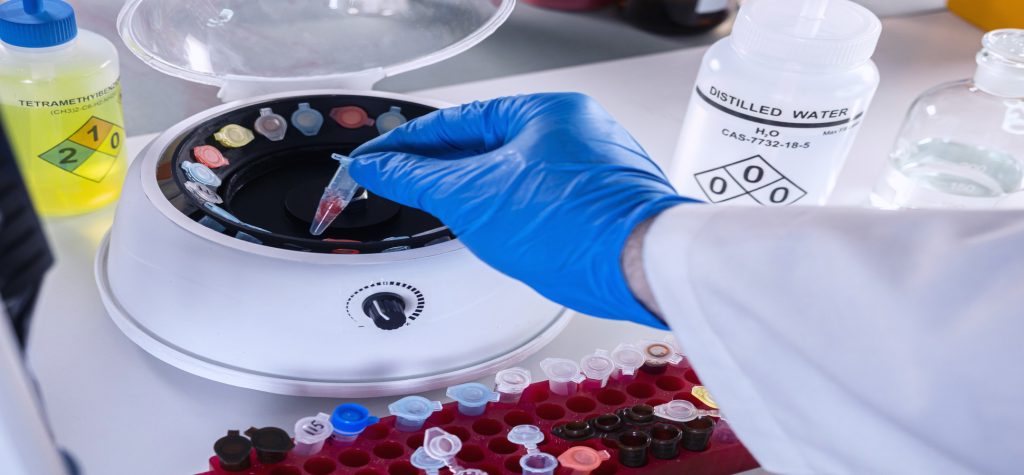
Some groups take a more contemporary approach by leveraging the power of AI to refine their methods. BioMavericks pairs liquid biopsies with AI to detect targeted immune signatures, identifying cancers early and accurately. Founded in the UK in 2021, BioMavericks has since received prestigious awards and expanded its operations out to Delhi, India. BioMarkIQ is a biotechnology firm offering a non-invasive diagnostic tool assisted by machine-learning. This tool provides early and accurate lung cancer detection. The preventative healthcare market is currently valued at around USD 270 billion. Considering that market is projected to double its value in a decade, it would be wise to capitalize on biomarker detection research.
The Implication
This research suggests an earlier window for cancer detection is possible, in comparison to p53-focused detection strategies. Cancer treatments such as radiotherapy and chemotherapy are primarily DNA-destructive. This research could lead to prognostic technologies that mitigate the physiological damage of these treatment methods.
The next logical step in exploring and advancing the utility of this information is discovering how to determine the location of cancerous tissue. Similarly, methods identifying the nature of the cancer would also prove invaluable. Due to the popularity of LINE-specific inhibitors in the biotech industry, developing LINE EN inhibitors could prove both lucrative and scientifically significant.
Consider the success of these organizations and programs that use different biomarkers for detection. Developing pertinent technologies could spell financial success for investors and entrepreneurs alike. Competition between groups focused on early detection of epithelial cancers through the monitoring of biomarkers will only energize and incite the industry. Additionally, the increasing efficacy and accessibility of AI-assisted success stories like BioMavericks and BioMarkIQ paint a promising picture for those interested in leveraging the power of machine learning for early detection of epithelial cancers.
The Path Ahead for Cancer Research
As research develops higher-sensitivity detection methods, the industry and its pioneers experience rapid growth. Researchers and startups continue to unveil the secret machinations of cancer, getting us closer and closer to catching cancer before it catches us and our loved ones. The future of the biotech industry and cancer-preventative diagnostics is looking bright.