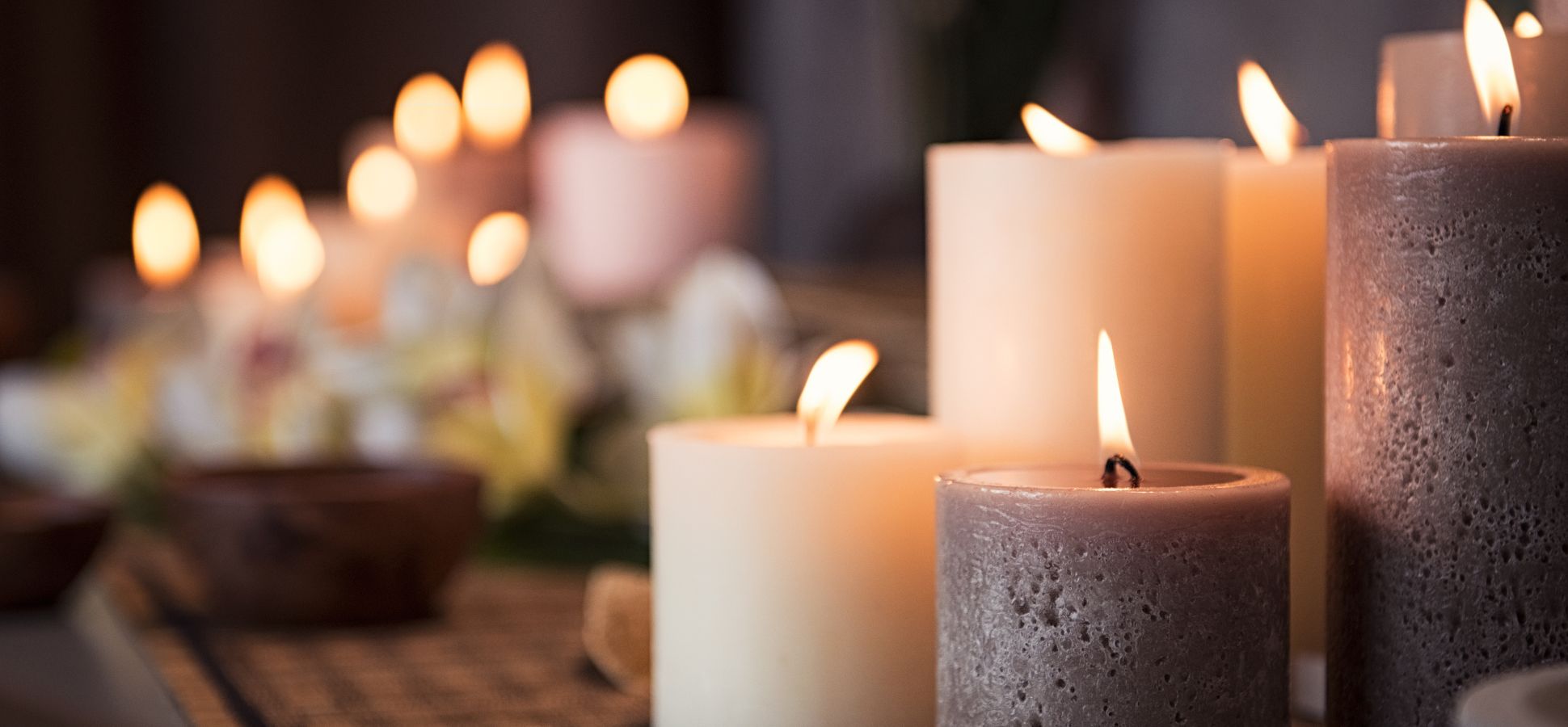
More than a century after the invention of the lightbulb, candles remain a staple in millions of homes worldwide. Far from fading into obsolescence, they have evolved from a necessity into a $10+ billion global industry, with their allure rooted in aesthetics, ritual, and sensory experience.
While some view candles as outdated or even hazardous, their continued popularity reveals deeper cultural, emotional, and psychological significance. This article explores why, in an age of instant and safe electric light, we still invite tiny open flames into our living spaces.
The Transformation of Candles from Utility to Luxury
Before electricity, candles were an essential part of daily life. For centuries, people relied on them to illuminate homes, workplaces, and streets after sunset. Early candles, made from tallow or beeswax, were valued for their practicality rather than their appearance or scent. Their primary function was simple: to provide light where none existed.
The invention and widespread adoption of the lightbulb in the late 19th and early 20th centuries marked a turning point. Electric lighting quickly became the standard for illumination, offering safety, convenience, and efficiency that candles could not match. As a result, candles lost their status as a household necessity. Instead of disappearing, however, they found a new purpose. Candles gradually transitioned into objects of decoration and experience, used to create ambiance, signal celebration, or mark moments of relaxation.
This shift paved the way for the emergence of artisanal and luxury candle brands. No longer limited to basic forms and functions, candles began to feature high-quality waxes, complex fragrances, and sophisticated designs. Brands started to emphasize craftsmanship, unique scents, and elegant packaging. Today, luxury candles are marketed as lifestyle products, often associated with wellness, self-care, and personal expression. The transformation from utilitarian item to coveted decor reflects changing consumer values and a renewed appreciation for sensory experiences in the home.
The Global Candle Market Today
The global candle market is thriving, with an estimated valuation of $10 billion in 2025. Analysts project steady growth in the coming years, fueled by evolving consumer preferences and expanding product categories. The market’s compound annual growth rate (CAGR) is expected to hover around 5% through 2028, reflecting consistent demand across both mature and developing economies.
Regional demand patterns reveal notable differences. North America, particularly the United States, remains the largest market for candles, driven by a strong culture of home décor and gifting. Europe follows closely, with countries like Germany, the UK, and France showing robust sales, especially for scented and artisanal varieties. Meanwhile, emerging markets in Asia-Pacific—such as China and India—are seeing rapid growth. Rising disposable incomes, urbanization, and a growing middle class contribute to increased candle consumption in these regions. Latin America and the Middle East are also witnessing a surge in demand, often linked to cultural and religious practices.
E-commerce platforms have transformed how candles reach consumers. Online sales now account for a significant share of the market, offering convenience, broader product selection, and direct-to-consumer brand experiences. Social media platforms like Instagram and TikTok play a pivotal role in driving trends, with influencers and brands showcasing new scents, designs, and limited-edition releases. Viral marketing campaigns and user-generated content have helped niche and independent candle makers find global audiences, accelerating the market’s expansion and diversifying consumer choices.
Candles as a Tool for Ambiance and Home Décor
Candles have become a staple in modern interior design, with 60% of buyers citing aesthetic enhancement as their primary motivation. Their soft, flickering light transforms spaces, creating a sense of warmth and intimacy that overhead lighting rarely achieves. Candles are often used to set the mood for gatherings, dinners, or quiet evenings, with their glow subtly influencing the atmosphere of a room.
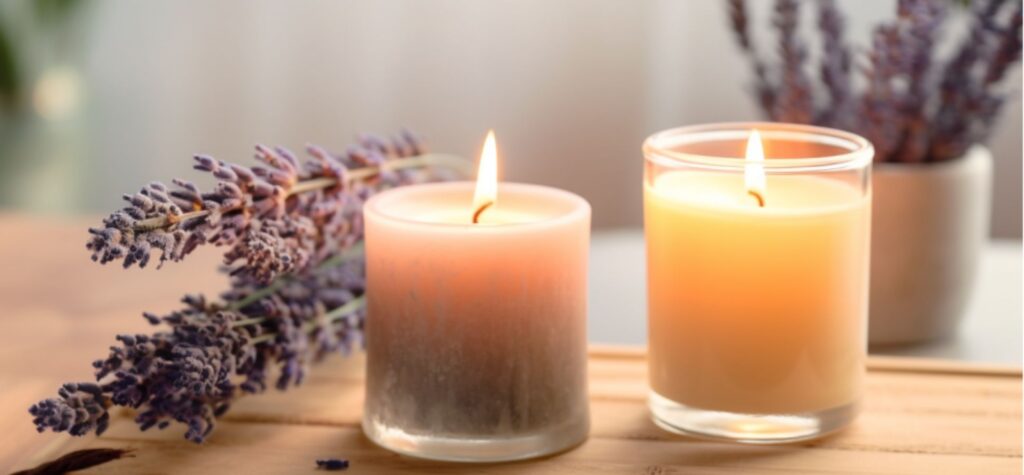
Designers and homeowners alike leverage candles to complement a variety of interior styles:
- Minimalist Spaces: In minimalist homes, candles offer a touch of softness and visual interest without cluttering the environment. Simple, monochromatic vessels or clean-lined pillar candles blend seamlessly with pared-down décor, adding a layer of sophistication.
- Bohemian Interiors: Bohemian spaces often feature clusters of candles in assorted sizes, shapes, and colors. The eclectic arrangement enhances the relaxed, layered feel of the style, while scented candles contribute to a sensory-rich environment.
- Luxury Settings: In upscale interiors, candles are chosen for both their design and fragrance. High-end brands offer candles in ornate containers—think cut crystal or hand-poured ceramics—that double as decorative objects. These candles are strategically placed to highlight architectural features or to create focal points on mantels and tables.
Candles are more than just sources of light; they are design elements that influence the look and feel of a space. Their versatility ensures they remain relevant, adapting to evolving trends in home décor.
The Rise of Scented and Specialty Candles
Scented candles now account for 65% of retail candle sales, reflecting a shift in consumer preferences toward multisensory experiences. Popular fragrance categories include fresh and clean scents like linen and citrus, warm and comforting notes such as vanilla and amber, and seasonal favorites like pine, pumpkin spice, and floral blends. These trends often align with the calendar, with consumers seeking cozy, spiced aromas in the fall and lighter, botanical scents in spring and summer.
Recent innovations have expanded the appeal of specialty candles:
- Wooden wicks create a gentle crackling sound, mimicking the ambiance of a fireplace and enhancing the sensory experience.
- Soy wax and other plant-based alternatives are increasingly favored for their clean burn and reduced environmental impact.
- Eco-friendly packaging, including recyclable glass jars and biodegradable labels, caters to environmentally conscious buyers.
These developments reflect a broader movement toward personalization and sustainability in home goods, ensuring that candles remain both desirable and relevant in contemporary living.
Cultural and Seasonal Significance
Candles hold a unique place in cultural and seasonal traditions, far beyond their practical use for illumination. Their presence in holiday celebrations is especially notable—during the winter months, candle sales surge, with Christmas alone accounting for up to 40% of annual sales in the United States. This spike reflects not just gifting trends, but the ritual of decorating homes, tables, and windows with candlelight to evoke warmth and festivity.
Across the world, candles are deeply woven into religious and spiritual practices. In Christianity, they are lit during Advent and Christmas to symbolize hope and the arrival of light. In Judaism, the menorah’s candles are central to Hanukkah, representing the miracle of enduring light. Hindu families illuminate diyas during Diwali to celebrate the triumph of light over darkness. Buddhist temples use candles as offerings, and in many other faiths, candles mark sacred moments, prayers, and remembrance.
Beyond holidays and religion, candles serve as powerful symbols in ceremonies and commemorations. They are used in weddings to represent unity, in vigils to honor lives lost, and in birthdays to mark the passage of time. The act of lighting a candle often signals reflection, hope, and a sense of connection—whether among family, within a community, or in solitude. This enduring symbolism ensures candles remain relevant, even in an age of abundant electric light.
Psychological and Emotional Benefits
Candles offer more than just ambient lighting—they play a significant role in supporting psychological well-being. According to recent consumer research, 65% of candle users report that lighting candles enhances their mood and reduces stress. This widespread sentiment points to the unique comfort that candles provide in modern life, even as more efficient lighting options have become the norm.
One key factor is the role of scent. Fragrances released by burning candles can trigger powerful memories and emotional responses. Scents like lavender, vanilla, or sandalwood often evoke feelings of nostalgia or calm, linking present experiences to positive moments from the past. This connection between scent and memory is rooted in the brain’s limbic system, which governs both emotion and recollection.
Candles have also become integral to rituals of self-care and mindfulness. Many people incorporate them into routines such as meditation, yoga, or evening wind-downs. The simple act of lighting a candle can serve as a signal to slow down, focus on the present, and create a sense of intentionality. These rituals, whether practiced alone or as part of a group, help foster a sense of tranquility and personal space in an otherwise fast-paced world.
Safety Concerns and Modern Solutions
Candles, while beloved for their ambiance and scent, remain a notable source of household fires. According to recent fire safety reports, candles are responsible for thousands of residential fires each year. The most common causes include leaving candles unattended, placing them near flammable materials like curtains or paper, and accidental tipping by pets or children. In fact, the majority of candle-related incidents occur during the winter holidays, when decorative use spikes and vigilance often slips.
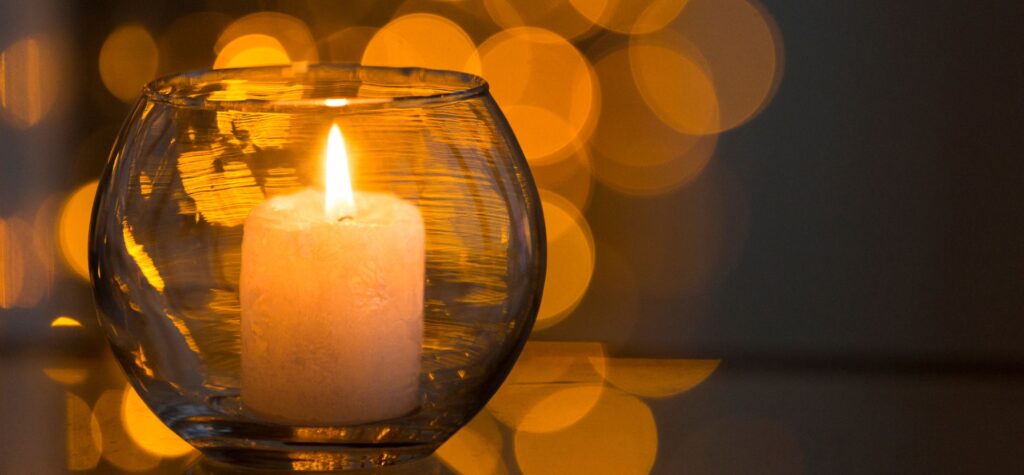
To address these risks, manufacturers have introduced a range of safety innovations. Flameless LED candles, for example, replicate the warm glow of traditional candles without any open flame, making them a popular choice in homes with children, pets, or elderly residents. Some brands have developed self-extinguishing candle designs that automatically snuff the flame when the wax reaches a certain point or if the candle is knocked over. These features help reduce the likelihood of accidental fires while preserving the ritual and atmosphere people seek from candles.
For those who prefer traditional candles, responsible use remains essential. Key guidelines include:
- Always keep candles within sight and extinguish them before leaving a room or going to sleep.
- Place candles on stable, heat-resistant surfaces, away from flammable objects.
- Trim wicks to 1/4 inch before lighting to prevent high flames and uneven burning.
- Keep candles out of reach of children and pets.
- Avoid burning candles all the way down; leave at least half an inch of wax in the container.
By combining modern safety solutions with mindful habits, candle enthusiasts can enjoy their favorite ritual with greater peace of mind.
The Social Media Effect
Candle culture has found fertile ground on platforms like Instagram and Pinterest, where aesthetics reign supreme. These visual-first networks have transformed candles from simple sources of light into must-have decor items. On Instagram, feeds are filled with artfully arranged photos featuring candles alongside books, coffee cups, and plants. Pinterest boards showcase mood boards and DIY projects, often spotlighting unique candle shapes, colors, and scents. This constant stream of curated images has made candles a symbol of coziness, mindfulness, and personal style.
Influencer collaborations have become a major force in shaping candle trends. Brands frequently partner with lifestyle influencers to create limited-edition releases, tapping into the influencer’s loyal following. These collaborations often sell out quickly, driven by the promise of exclusivity and the influencer’s personal endorsement. The result is a cycle where new scents, designs, and collections are launched in response to online buzz, keeping the market dynamic and responsive.
The Future of Candles in a Tech-Driven World
Candles are evolving alongside technology, not in spite of it. As homes become smarter, the candle industry is exploring ways to merge tradition with innovation. Smart candles—devices that mimic the ambiance of a real flame without the safety concerns—are already entering the market. These products often use LED lights to create a flickering effect and can be controlled via smartphone apps, allowing users to adjust brightness, color, and even set timers. Some smart candles also integrate scent-diffusion technology, releasing fragrances on demand or in sync with home automation systems. This blend of sensory experience and convenience appeals to tech-savvy consumers seeking both atmosphere and safety.
Sustainability is another driving force shaping the future of candles. Consumers are increasingly aware of the environmental impact of traditional paraffin wax, which is derived from petroleum. In response, many brands are shifting toward biodegradable materials such as soy, coconut, or beeswax. Packaging is also changing, with a move toward recyclable or reusable containers and minimalistic designs that reduce waste. These efforts align with broader sustainability trends in consumer goods, positioning candles as a responsible choice for eco-conscious buyers.
Wrap up
Candles have undergone a significant transformation, evolving from an essential source of light to a sought-after luxury lifestyle product. Today, their value is tied less to function and more to the sensory and emotional experiences they offer. Candles now serve as decorative accents, mood-setters, and personal indulgences, reflecting a shift in consumer priorities.
Looking ahead, the candle industry is positioned for continued growth. As consumer tastes evolve, manufacturers are likely to introduce new designs, fragrances, and sustainable materials, ensuring that candles remain a dynamic and desirable product in modern homes.
FAQs
Why do people still buy candles when electric lighting is safer?
Candles offer something electric lights cannot: a unique ambiance, comforting glow, and inviting scent. Many people use candles to create a relaxing environment, mark special occasions, or add a decorative touch to their space. The emotional comfort and ritual of lighting a candle remain appealing, even in an age of advanced lighting technology.
Are scented candles bad for your health?
Most scented candles are safe when used as directed. However, burning any candle releases some particulates into the air. For those concerned about indoor air quality, it’s best to burn candles in well-ventilated areas and avoid excessive use. Choosing candles made with natural waxes and wicks can also help minimize potential risks.
What is the most popular time of year for candle sales?
Candle sales surge during the holiday season, with the weeks around Christmas accounting for a significant portion of annual revenue. Candles are popular gifts and are often used to create a festive atmosphere during winter months.
Are there eco-friendly candle options?
Eco-conscious consumers can choose from candles made with soy, coconut, or beeswax. These options often feature natural fiber wicks and recyclable or reusable packaging, reducing environmental impact compared to traditional paraffin candles.
Will candles ever become obsolete?
Candles are unlikely to disappear. Their role has shifted from necessity to experience, serving symbolic, sensory, and decorative purposes that go beyond simple illumination. As long as people value atmosphere, ritual, and sensory pleasure, candles will remain relevant.