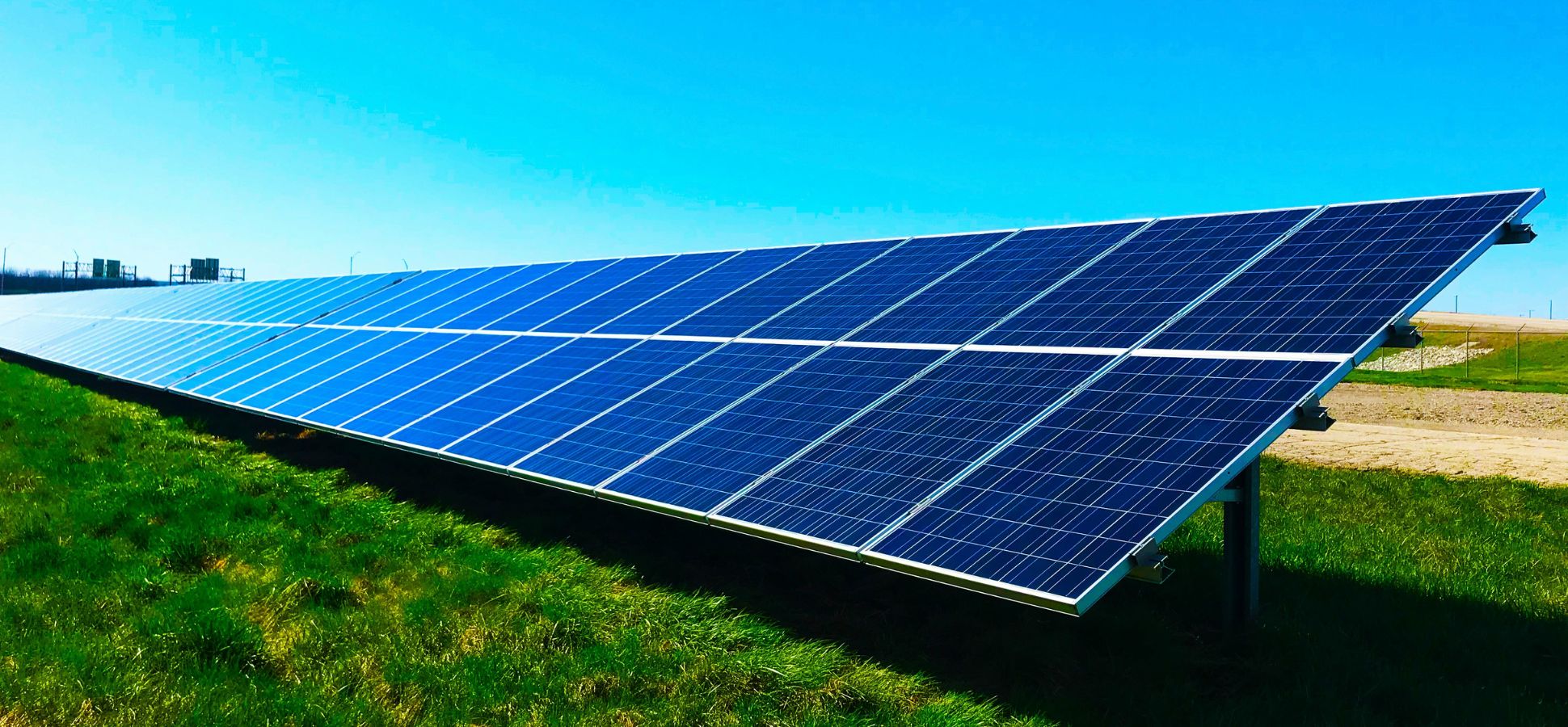
In recent years, there has been a notable shift towards sustainable practices in businesses worldwide. Among these practices, solar panel installation stands out as a significant investment in both environmental responsibility and long-term financial savings. As businesses seek to reduce their carbon footprint and operational costs, embracing solar power presents numerous advantages that extend beyond just energy efficiency.
1. Cost Savings and Financial Benefits
One of the most compelling reasons for businesses to invest in solar panel installation is the potential for significant cost savings. While the initial investment can be substantial, solar power systems offer long-term financial benefits. By generating electricity from sunlight, businesses can reduce their reliance on grid electricity, thereby lowering utility bills. In regions with favourable solar conditions, businesses may even produce surplus energy that can be sold back to the grid, providing additional revenue streams through net metering or feed-in tariffs.
Moreover, solar energy systems require minimal maintenance and have a lifespan of 25 years or more, making them a cost-effective investment in the long run. With predictable energy costs and potential tax incentives or rebates for renewable energy installations, businesses can achieve a quicker return on investment and improve their overall financial stability.
2. Environmental Impact and Corporate Social Responsibility
The adoption of solar power reflects a commitment to environmental sustainability and corporate social responsibility (CSR). Businesses that integrate solar panels into their operations reduce their greenhouse gas emissions and dependence on fossil fuels. This proactive stance towards sustainability enhances brand reputation and aligns with consumer preferences for eco-friendly businesses.
Reducing carbon emissions through solar power contributes to mitigating climate change and promoting cleaner air quality in local communities. By visibly demonstrating environmental stewardship, businesses can attract environmentally conscious customers, investors, and employees who value sustainability initiatives.
3. Energy Independence and Reliability
Solar power offers businesses greater energy independence and resilience against fluctuating electricity prices and supply disruptions. By generating electricity onsite, businesses can mitigate the risks associated with grid outages or price hikes during peak demand periods. This energy independence enhances operational stability and reduces vulnerability to external energy market dynamics.
Furthermore, advancements in solar technology, such as battery storage systems, enable businesses to store excess solar energy for use during non-sunlight hours or emergencies. Battery storage enhances energy reliability and provides backup power, ensuring uninterrupted operations and supporting critical business functions.
4. Long-Term Investment and Competitive Advantage
Investing in solar panel installation represents a forward-thinking strategy that positions businesses for long-term success and competitiveness. As energy costs continue to rise and regulatory pressures on carbon emissions increase, businesses that harness solar power can secure a competitive advantage by stabilising their energy expenses and minimising operational risks associated with fossil fuel dependence.
Moreover, sustainability initiatives, including solar power adoption, appeal to investors seeking socially responsible investment opportunities. Businesses that demonstrate a commitment to renewable energy and environmental stewardship may access green financing options or attract investment capital from sustainability-focused funds and stakeholders.
5. Local Incentives and Support
Many regions offer incentives, grants, or tax credits to encourage businesses to invest in renewable energy sources like solar power. These incentives can significantly offset the upfront costs of solar panel installation and improve the financial feasibility of adopting sustainable energy solutions. Additionally, local governments and utilities may provide technical support, expedited permitting processes, or regulatory assistance to facilitate the transition to solar energy.
By leveraging these incentives and support mechanisms, businesses can navigate the complexities of solar panel installation more effectively and maximise the economic and environmental benefits of renewable energy adoption.
A Strategic Move Towards Profitability
In conclusion, the advantages of solar panel installation for businesses are multifaceted and impactful. From substantial cost savings and financial benefits to environmental stewardship and enhanced corporate social responsibility, solar power offers businesses a sustainable pathway towards energy independence and operational resilience. By investing in solar energy, businesses can reduce their carbon footprint, stabilise energy costs, and strengthen their competitive position in an evolving market landscape.
As businesses embrace solar panel installation, they not only contribute to global efforts to combat climate change but also reap the rewards of long-term energy efficiency and financial savings. With advancing technology and supportive policies, the transition to solar power represents a strategic investment that aligns profitability with sustainability goals. By integrating solar energy into their operations, businesses can lead by example in driving the transition towards a cleaner, more sustainable energy future.