
We live in a world that often equates popularity with success, where being constantly connected is seen as a badge of relevance. Socializing is celebrated, and extroversion is often mistaken for confidence. But what about those who thrive in their own space? The ones who recharge in silence, think deeply before they speak, and find joy in their own company?
These individuals aren’t anti-social or emotionally distant. In fact, people who choose solitude over constant socializing often carry a quiet strength and a unique set of traits that most overlook. They’re wired differently—and that difference can be a major advantage. Below, we explore seven powerful traits that often show up in people who prefer the calm of solitude to the buzz of the crowd.
1. They Have an Inner Compass
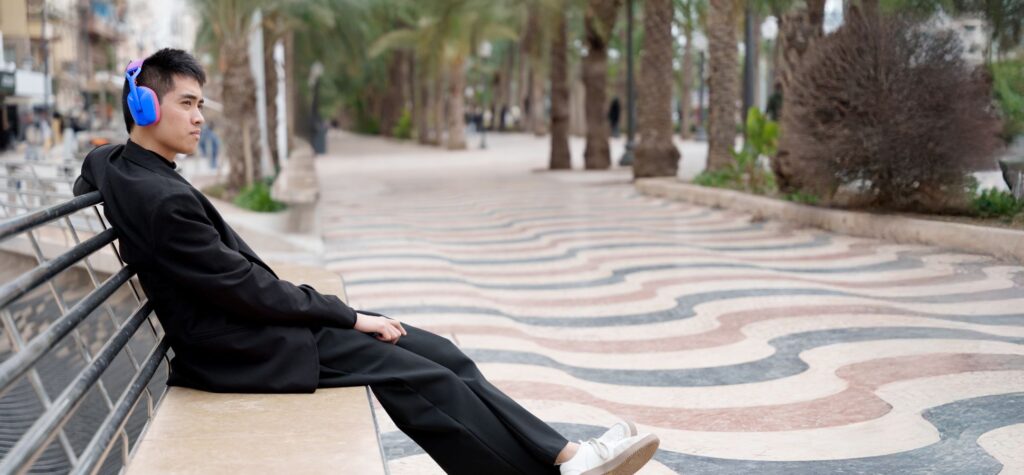
People who enjoy solitude aren’t aimless wanderers—they’re guided by an internal compass that rarely wavers. They make decisions based on personal values, intuition, and thoughtful reflection. While others may shift with the trends or seek approval, these individuals know who they are and where they’re going. They trust themselves because they’ve taken the time to listen deeply within.
Their self-assurance isn’t loud or boastful—it’s calm and grounded. You won’t find them following the crowd for the sake of fitting in. They move with quiet conviction, and that alone sets them apart. It’s not arrogance; it’s a deep understanding of their personal truth.
2. They’re Emotionally Self-Sufficient

Solitude lovers are often emotionally resilient. They’ve learned to sit with discomfort, reflect on their feelings, and find balance on their own terms. They don’t rely on constant reassurance or social validation to feel okay. Instead, they process life internally, building emotional muscles that others might overlook.
This doesn’t mean they don’t need people—it just means they don’t depend on them to manage their inner world. They’re more likely to come into relationships whole rather than seeking someone else to complete them.
3. They’re Deep Thinkers

When left alone, solitude-seekers don’t reach for distractions—they dive into thoughts. They’ll ponder human nature, dissect conversations, or mentally explore “what if” scenarios most people don’t even notice. Time alone isn’t empty for them—it’s rich with contemplation.
Because of this, conversations with these individuals often go far beyond surface-level chatter. They bring nuance, insight, and original perspectives to the table. You’ll rarely hear clichés from them; instead, expect reflections that make you stop and think twice.
4. They Prioritize Quality Over Quantity
While some people chase social numbers, solitude-lovers chase connection. They’re not interested in being liked by everyone—they’d rather be known deeply by a few. Their friendships are intentional, loyal, and often lifelong.
This selectiveness comes from emotional clarity. They understand their own needs and seek out relationships that align with their energy. They don’t settle for “just okay” company—they wait for those who truly get them.
5. They’re Creatively Charged
Solitude is a secret weapon for creativity. Free from noise, judgment, or outside opinions, the mind is free to explore and invent. Whether it’s art, writing, music, or problem-solving, those who enjoy alone time often find it’s when their most original ideas emerge.
Their creativity isn’t always loud or flashy—but it’s deeply authentic. They’re not copying trends or performing for applause. They create because it’s how they express their truth, and their best work often comes from those quiet, uninterrupted moments.
6. They Set Strong Boundaries
People who enjoy solitude tend to be masters of protecting their peace. They know their limits and aren’t afraid to say no—whether it’s declining an invite, muting notifications, or walking away from drama. It’s not about avoiding people—it’s about preserving energy for what truly matters.
This boundary-setting is a reflection of self-respect. They don’t let guilt, fear of missing out, or peer pressure push them into overextending. Time alone is non-negotiable, and they honor that like a sacred ritual.
7. They’re Observant and Insightful
While others are busy talking, solitude-seekers are watching—and learning. They’re keen observers of behavior, tone, energy, and subtext. They may not always speak up, but they notice the things others miss: the look in someone’s eyes, the hesitation before a response, or the emotion behind a joke.
This makes them excellent judges of character and quietly wise advisors. You might not always notice them in the room, but chances are, they’ve already read the entire vibe—and could explain it better than anyone else.
The world often mistakes quiet for weakness—but those who choose solitude know better. They’re grounded, creative, observant, and deeply in tune with themselves. In a society addicted to constant connection, their choice to be alone is a radical act of self-knowledge. So next time you see someone sitting contentedly alone, don’t assume they’re lonely. They might just be the most interesting person you haven’t met yet.