
What started as a “fringe” movement has become mainstream: “clean” products are taking over nearly every industry.
As consumers become more health-conscious and aware of what they’re putting in their bodies, businesses have risen to meet the demand for products with natural ingredients and fewer preservatives, endocrine disruptors, and carcinogens.
What Does Clean Really Mean?
As a concept, clean products don’t include and the use of avoid harmful ingredients like:
- Preservatives
- Known endocrine disruptors (hormone disruptors) such as BPA
- Potential carcinogens
- Plastics
- Artificial fragrances
- Other man-made chemicals
“Clean” may mean different things to different people. Some prefer no man-made ingredients and some are comfortable with ingredients with adequate safety testing. In food production, clean products can include the use of organic ingredients or having fewer ingredients overall.
Why the Clean Movement has Gained Traction
There are a few reasons consumers are aiming for cleaner, more natural products. Everyone will have their own personal reasons, but a few common ones include:
Availability of Information
With the widespread use of social platforms and search engines, consumers have greater access to information than ever before. This has allowed consumers to take an active interest in what goes into the products they purchase and whether the ingredients are “clean” in a way that aligns with their lifestyle.
Widespread Health Issues
Certain health conditions, such as autoimmune and hormonal disorders, have become more common and widely known. Some feel the additives in consumer products may play a role in these conditions, and are making a switch to natural alternatives.
New Information or Reactions
Studies are updated over time, and ingredients that used to be deemed safe have been determined to cause unexpected health consequences. Additionally, many consumers have reactions to specific ingredients and may choose to avoid them. For instance, artificial sweeteners like aspartame can trigger migraines in certain individuals.
Environmental Concerns
Some choose to use fewer processed ingredients because of their potential environmental impact. Single use plastics and certain man-made additives contribute to environmental pollution. Many clean products use biodegradable packaging and are more eco-friendly overall.
In Demand Clean Products
The “clean” revolution has touched nearly every industry, but some areas may be more important to consumers than others. In general, products that will be put in or on the body are most important for having cleaner options. These can include:
Food
Customers are looking for simpler food options with minimal processing. This includes opting for more whole foods like fresh meats and produce, but also in finding convenient options with fewer ingredients and additives. There is also an expanding list of options for those with dietary restrictions, such as Paleo, gluten-free, grain-free, or sugar-free products.

Children’s Products
Everything from plastic-free toys to eco-friendly baby products have caught traction as parents are looking to give their children a more natural start in life. This can also include snacks, baby food, or baby formula made from minimally processed and organic ingredients.
Skincare
Naturally-derived skincare has become a popular option for those looking to use cleaner and more eco-friendly products. This is one reason clean Korean skincare has become popular, as many Korean brands are known for utilizing natural and safe ingredients.
Consumers can order Korean skincare online from anywhere in the world, making it easily accessible for anyone.
Clothing
Many consumers have started making the switch to naturally derived fabrics vs man-made ones. For instance, organic cotton and linen are growing in popularity while consumers avoid synthetic fabrics like polyester. This has become even more relevant in recent years, as microplastics become a growing concern.
How to Select Clean Products
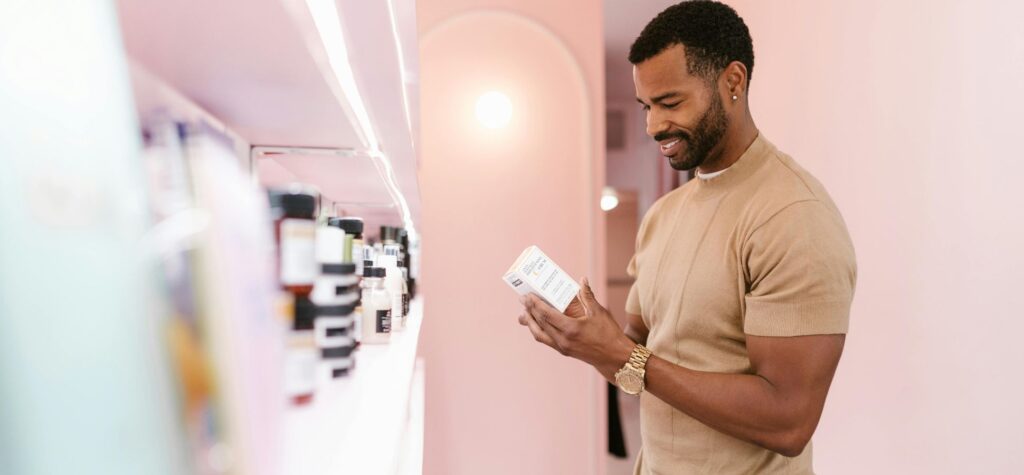
For those who find choosing cleaner products important, it’s always crucial to read labels. This can be daunting for buyers who are just starting out, but there are many ways to make the process easier. Issues to keep in mind:
Don’t be Fooled by Labels
“Greenwashing” is a real trend in product marketing, but don’t be fooled. Many terms such as “natural” or “clean” are not regulated. That means seeing “all natural” on a product label doesn’t always mean it contains all natural ingredients. Read the labels yourself, or use tools like the Skin Deep Database to determine which products you buy.
“Man-made” isn’t Always Dangerous
While eating whole foods is widely accepted as superior to eating a diet full of processed food, not all “unnatural” products are inherently unsafe. Some preservatives or “chemicals” have been well-studied and shown to be safe in their intended uses. Determine which products are worth buying “clean” and which are okay to use without worry based on your ideals and budget.
“Natural” isn’t Always Safe
Just like all synthetic ingredients aren’t inherently dangerous, natural ingredients aren’t inherently safe. For instance, Tobacco is 100% natural, but is well known to cause health problems when consumed. In some cases, naturally derived additives can be equally dangerous as synthetic ones.
Be just as cautious of clean label products as conventional products, and research ingredients regardless of their “natural” status. Sources such as the Skin Deep database are a good starting point. You can also ask your doctor or pharmacist.
Vote with Your Dollars
If supporting companies that don’t use artificial ingredients is important to you, prioritize those products. Businesses want to make money, so if more consumers express interest in avoiding specific ingredients, products without those ingredients become more widely available.
Ask Questions
If you don’t know what a specific ingredient is or how safe it is, ask the product manufacturer. Ask why a specific ingredient is included or whether there are studies showing its safety in the amounts used.
Learn more about clean products and specific ingredients using apps and websites such as The Environmental Working Group, Yuka, or the INCIDecorder.